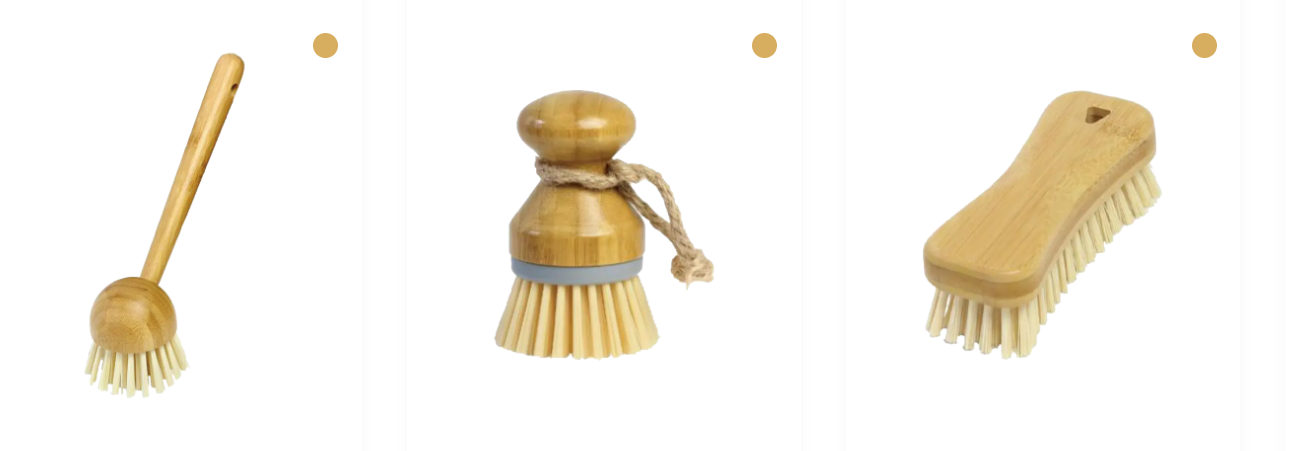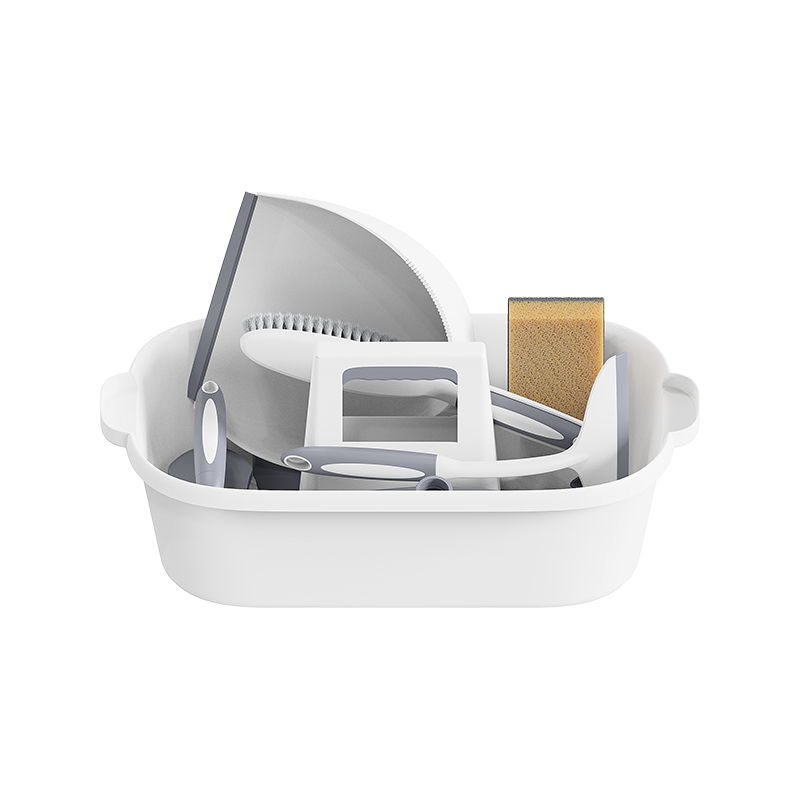
A dish brush is a simple kitchen cleaning tool that can make everyday dishwashing easier, faster, and more hygienic. Compared to traditional sponges, dish brushes provide stronger scrubbing power and better reach for cleaning plates, pots, and kitchen utensils. This article explains why dish brushes are becoming a popular choice in modern kitchens.
Content
What Is a Dish Brush?
Short Answer: A dish brush is a handheld cleaning tool with durable bristles designed to remove food residue and grease from dishes.
Dish brushes usually feature ergonomic handles and firm bristles that can effectively clean stubborn stains without damaging dish surfaces. They are commonly used for plates, bowls, cookware, and even kitchen sinks. Because of their structure, dish brushes dry faster than sponges, which helps reduce bacteria growth.
Why Should You Use a Dish Brush Instead of a Sponge?
Short Answer: Dish brushes are more hygienic, durable, and effective for heavy cleaning tasks.
Unlike sponges that absorb water and trap food particles, dish brushes allow water to drain quickly. This makes them less likely to develop unpleasant odors and bacteria. Their bristles also provide better scrubbing power, making them ideal for cleaning baked-on food from pans and pots.
- Stronger cleaning performance
- Better hygiene and faster drying
- Longer service life
- Easy to clean and maintain
How to Choose the Right Dish Brush?
Short Answer: Choose based on bristle stiffness, handle comfort, and cleaning needs.
Different dish brushes are designed for different tasks. Soft bristles work well for delicate glassware, while stiff bristles are suitable for heavy-duty cookware. A comfortable handle with a non-slip grip helps reduce hand fatigue and improves control during cleaning.

The table below compares common dish brush types and applications:
| Brush Type | Bristle Strength | Best Use |
| Soft Brush | Gentle | Glassware |
| Medium Brush | Balanced | Plates and bowls |
| Stiff Brush | Strong | Pots and pans |
How to Use a Dish Brush Properly?
Short Answer: Apply gentle pressure, use warm water, and rinse the brush after each use.
For best results, rinse dishes to remove loose food before scrubbing. Use warm water and dish soap to break down grease. Move the dish brush in circular motions to lift stubborn stains. After washing, rinse the brush thoroughly and store it in a dry area to prevent moisture buildup.
- Pre-rinse dishes before scrubbing
- Use warm water for better grease removal
- Clean and dry the brush after use
- Replace worn brushes regularly
FAQ: Dish Brush Common Questions
Q1: How often should a dish brush be replaced?
Answer: Most dish brushes should be replaced every 2 to 3 months, depending on usage and wear.
Q2: Can dish brushes scratch non-stick cookware?
Answer: Soft or medium bristle dish brushes are safe for non-stick surfaces when used gently.
Q3: Are dish brushes more hygienic than sponges?
Answer: Yes, dish brushes dry faster and reduce bacterial growth compared to traditional sponges.
Q4: Can a dish brush be used for kitchen sink cleaning?
Answer: Yes, dish brushes are effective for cleaning sinks, countertops, and other kitchen surfaces.
Using a dish brush in your daily cleaning routine can improve hygiene, save time, and deliver better cleaning results. This simple kitchen tool offers a smart solution for maintaining a clean and healthy home environment.
中文简体
English
Español
Français
Products