

 中文简体
中文简体 English
 Español
 Français
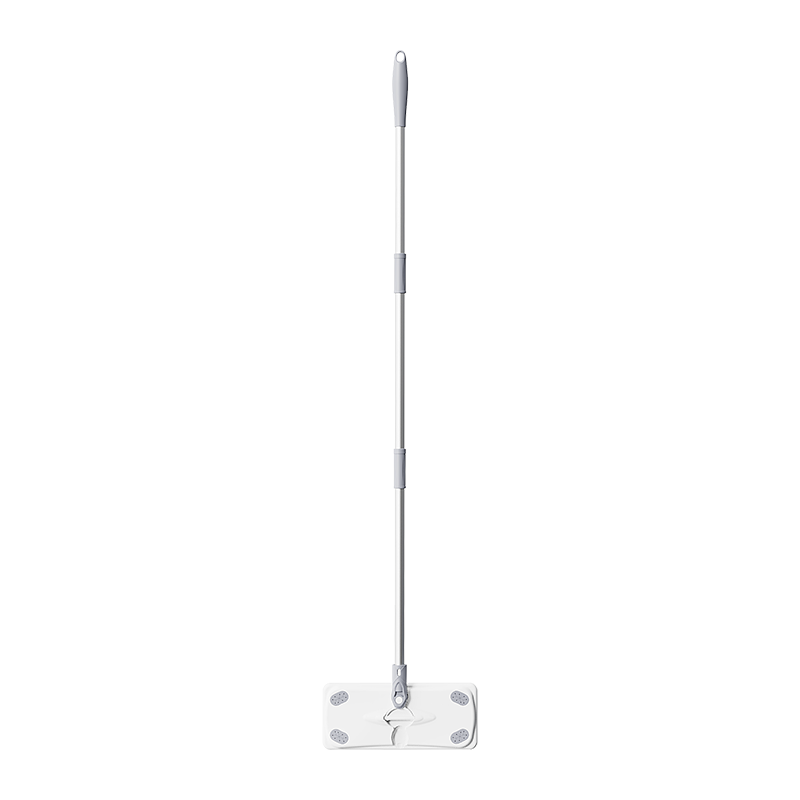
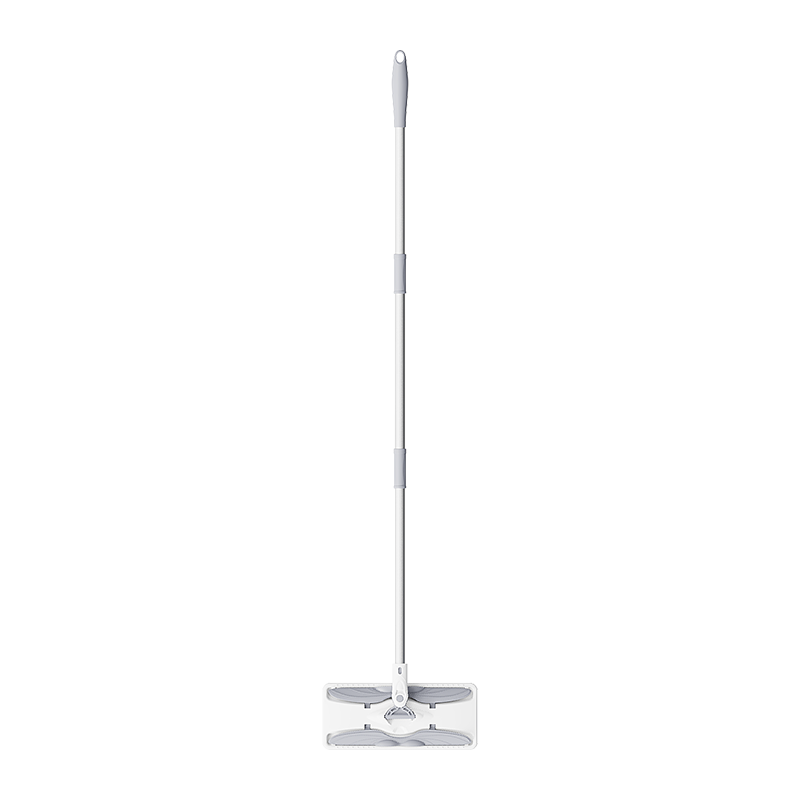
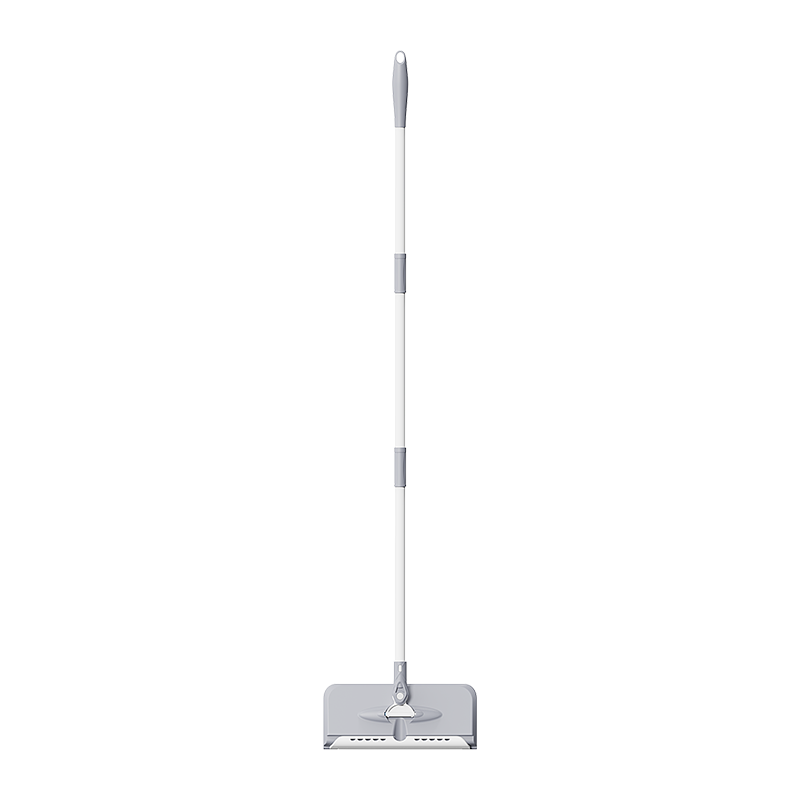
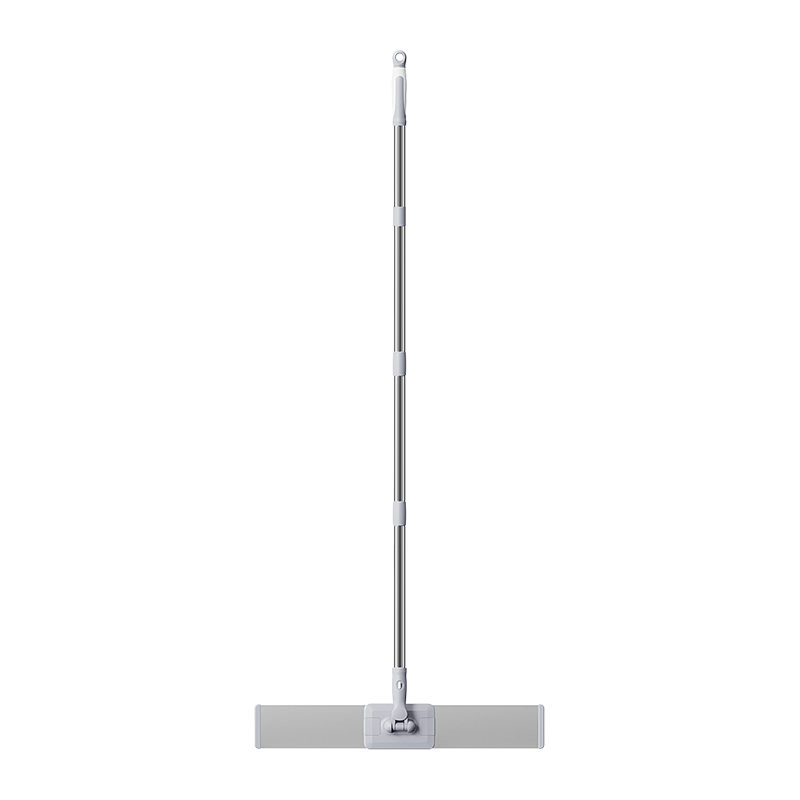
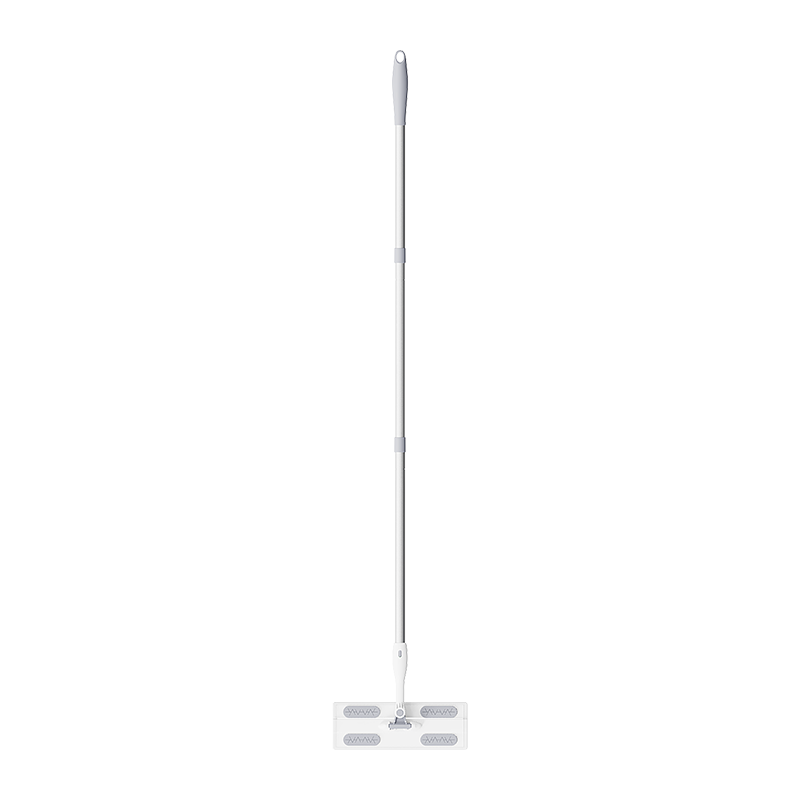
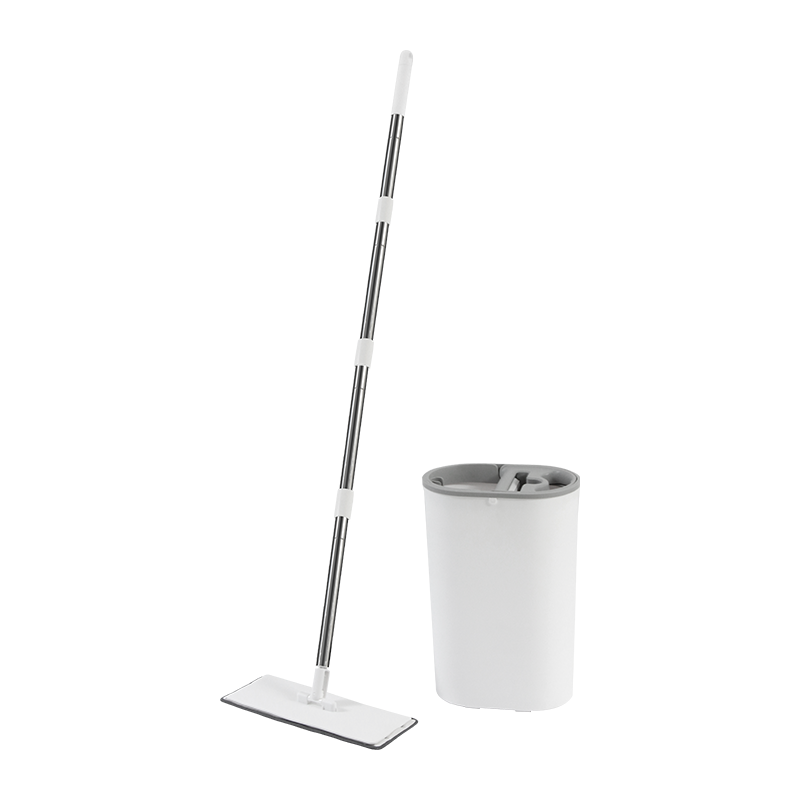
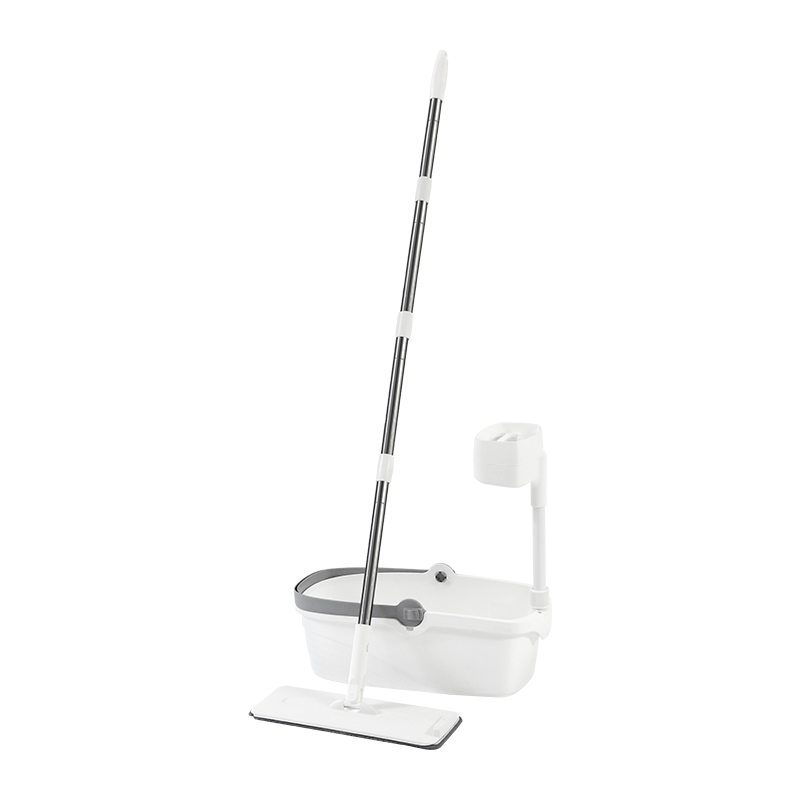
2 in 1 Dry and Wet Mop

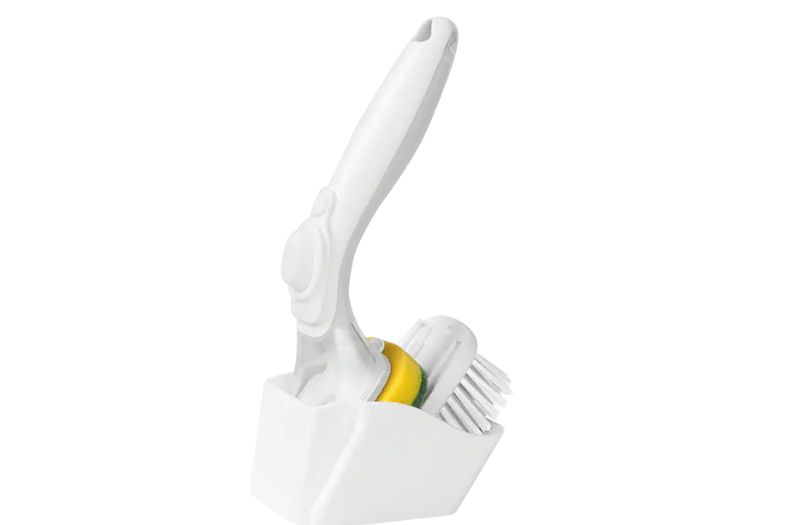
1. Dish Brush Structure and Materials
Sponge Head:
Material: Typically made of polyurethane (PU) or cellulose sponge, it is soft and absorbent, suitable for wiping smooth surfaces (such as glass and ceramic).
Function: Absorbs oil and detergent, reducing the risk of scratching.
Brush Head:
Bristles: Mostly made of nylon or PP plastic, they are relatively hard and can handle stubborn stains (such as burnt pot bottoms).
Design: Some models feature wavy bristles or scraping edges for enhanced cleaning efficiency.
Handle:
Plastic, silicone, or wooden, with a non-slip design, some can be hung to drain.
2. Dish Brush Advantages
Multi-functional Cleaning:
The sponge wipes delicate surfaces (dishes and dishes), while the brush tackles stubborn dirt (pots and pans), serving two purposes in one.
Effortless and Efficient:
The bristles quickly remove food debris and reduce hand friction.
Widely Applicable:
Daily dishwashing, cleaning sinks, stovetops, and even bathroom tiles.
3. Usage and Maintenance Recommendations
Cleaning: Rinse the sponge after each use and squeeze out any excess moisture to prevent bacterial growth (you can sterilize it regularly in boiling water).
Replacement Frequency: Replace the sponge if the sponge tip is damaged or blackened (approximately every 1-3 months).
Storage: Hang in a well-ventilated area to avoid moisture and mold growth.
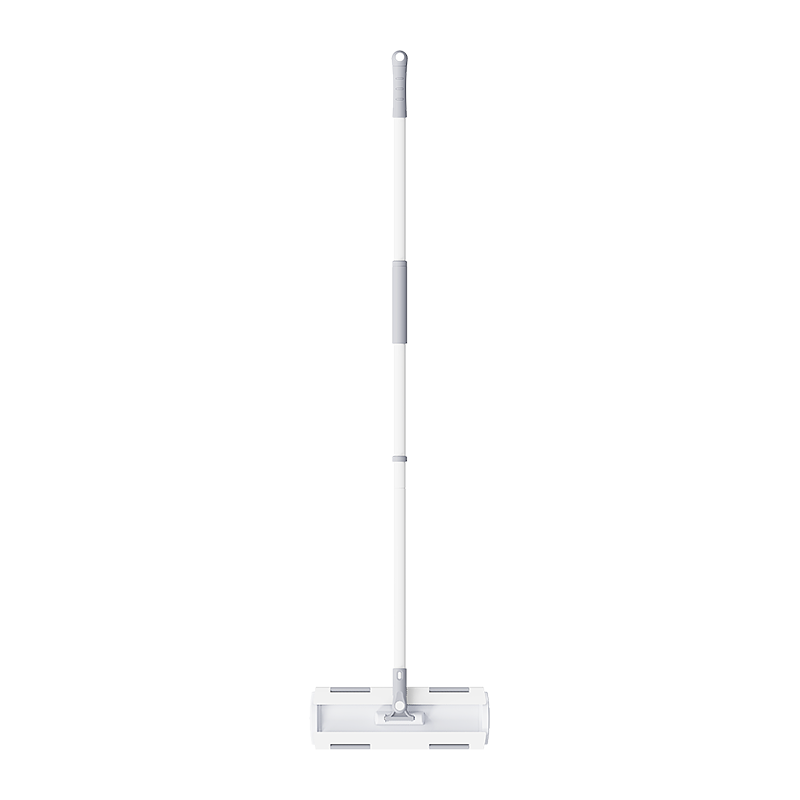
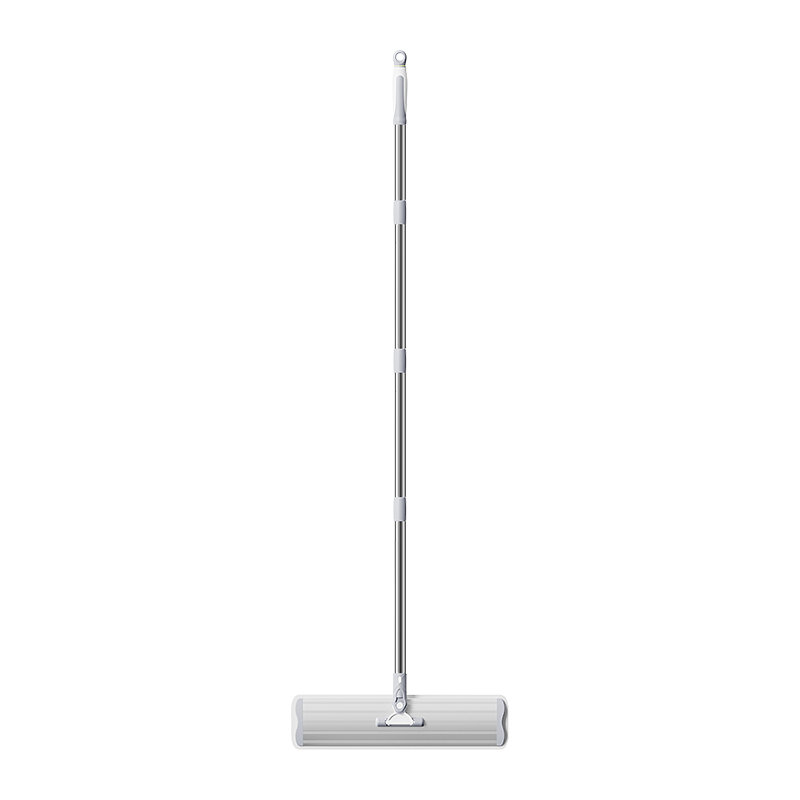
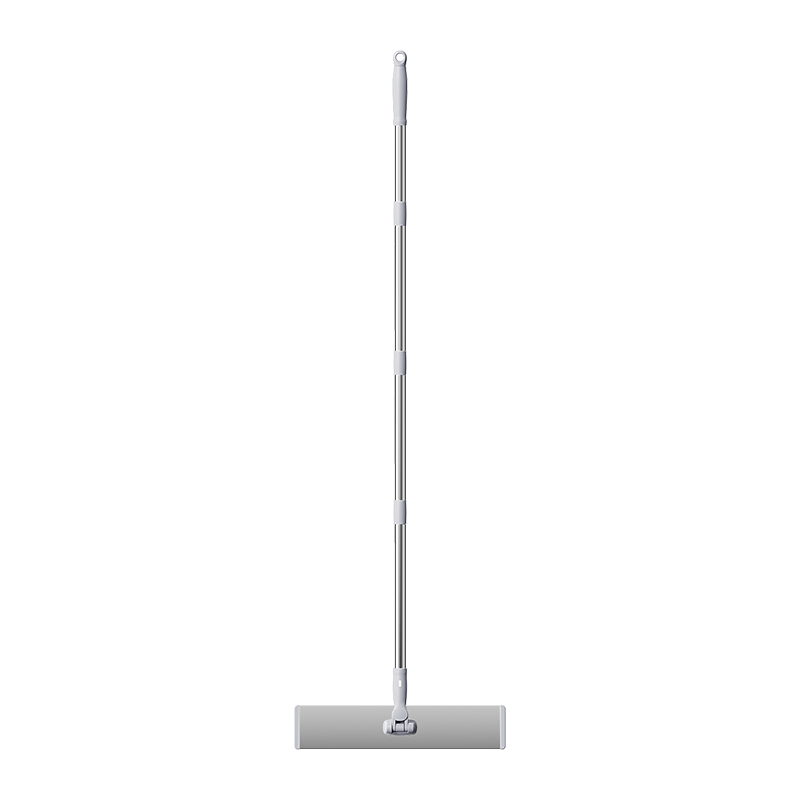
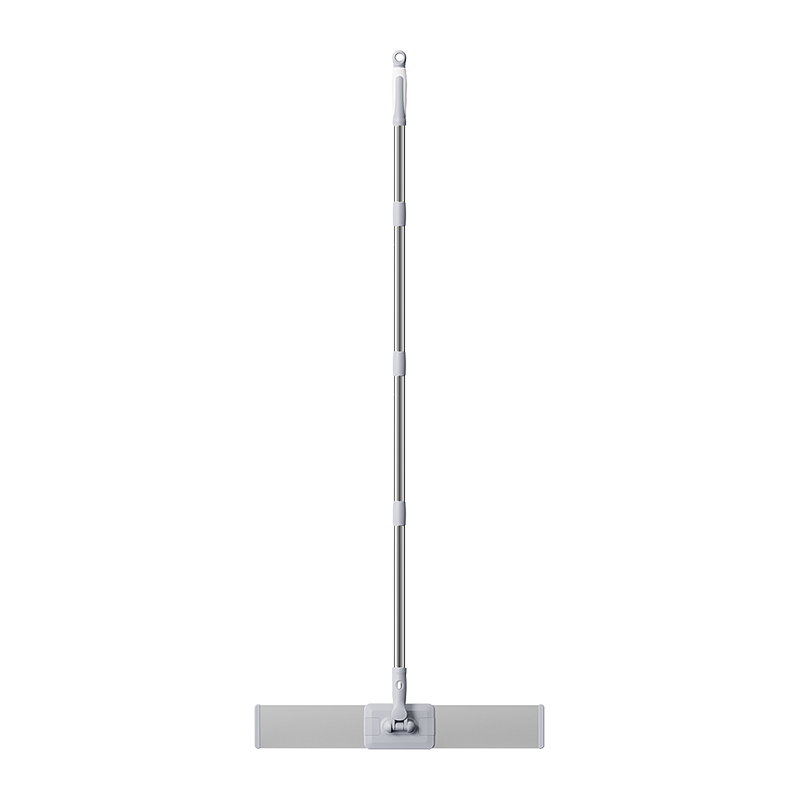
From concept to production, we can create the products you want.
 Contact InformationQuick Link
Scan Code
Business partner
Contact InformationQuick Link
Scan Code
Business partner











Copyright Ningbo Ivy Daily Commodity Co., Ltd. All Rights
Reserved.
China Cleaning Brushes Manufacturer
Brushing Cleaning Supplier

