

 中文简体
中文简体 English
 Español
 Français
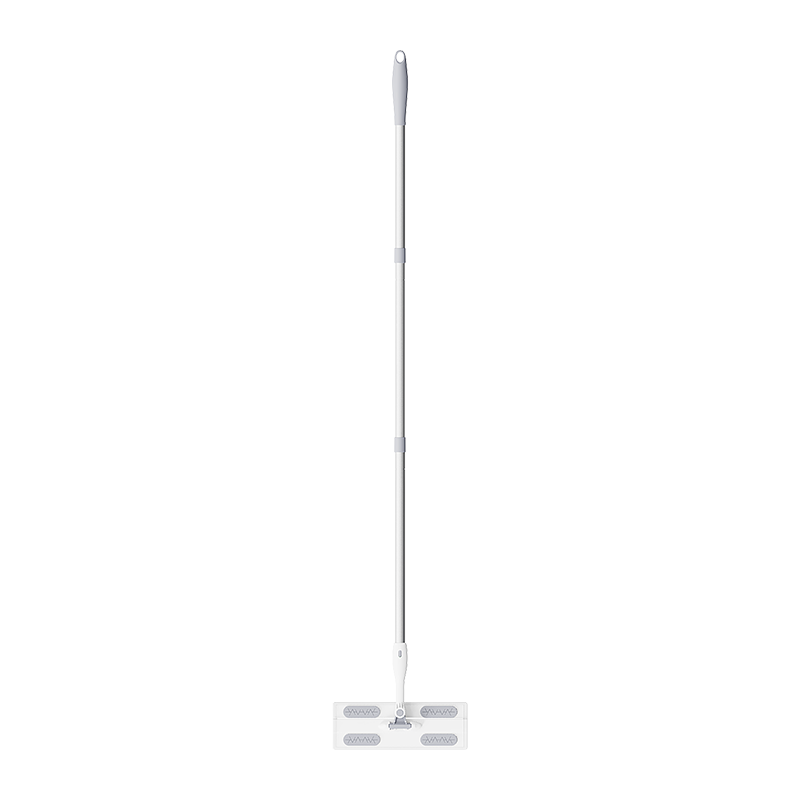
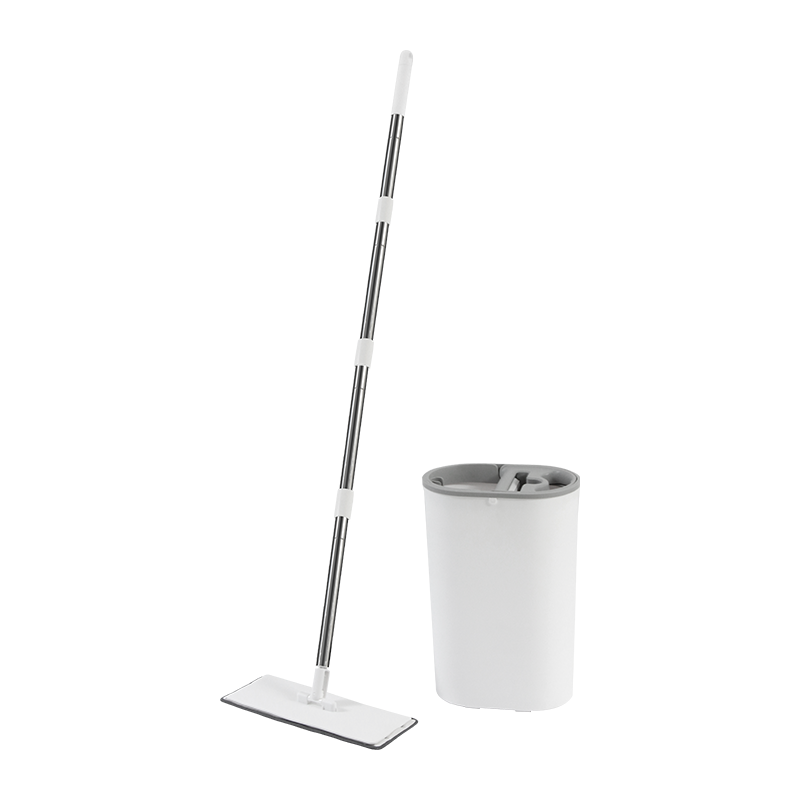
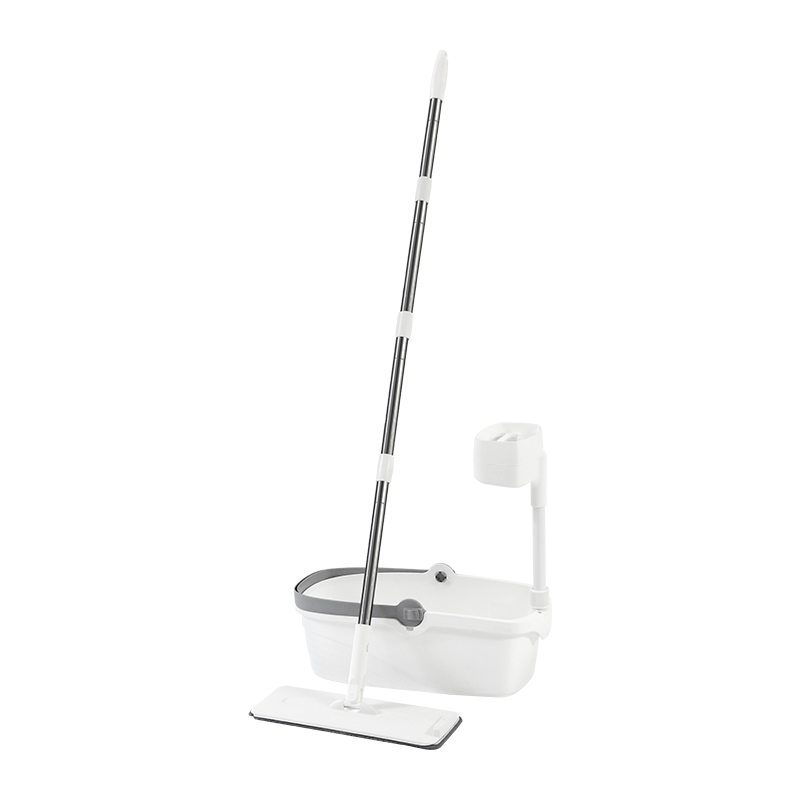
2 in 1 Dry and Wet Mop

Content
A dishwashing brush is an essential kitchen tool used to clean dishes, pots, pans, and other kitchen utensils. Designed with durable bristles, dishwashing brushes provide a convenient way to scrub away food debris, grease, and grime, making the washing process more efficient and hygienic. Available in various shapes, sizes, and materials, dishwashing brushes can tackle different levels of dirt and are often more effective than sponges for scrubbing tough stains.
Dishwashing brushes are designed to work by applying forceful scrubbing action to remove stuck food particles and grease from your dishes. They often feature a handle for comfortable gripping, and a head covered with stiff or soft bristles, depending on the cleaning needs. Here's how it works:
Using a dishwashing brush offers numerous advantages over traditional sponges or cloths. These benefits include:
Dishwashing brushes come in various types, each designed for specific tasks. Some of the common types include:
Q: How do I properly clean my dishwashing brush?
To clean your dishwashing brush, rinse it thoroughly after each use to remove any food particles. You can also sanitize it by soaking it in a mixture of warm water and mild dish soap or a disinfecting solution.
Q: Can dishwashing brushes be used for cleaning pots and pans?
Yes, dishwashing brushes, especially pot scrubber brushes with stiff bristles, are perfect for cleaning pots, pans, and other cookware with stubborn grease and food buildup.
Q: Are dishwashing brushes better than sponges?
In most cases, dishwashing brushes are more durable and hygienic than sponges. They offer superior scrubbing power and are easier to clean and sanitize, making them a better option for most people.
Q: How long does a dishwashing brush last?
The lifespan of a dishwashing brush depends on the material of the bristles and frequency of use. Typically, a brush can last from several months to a year with proper care.
Q: Can dishwashing brushes be used on non-stick cookware?
Yes, but be cautious when using a dishwashing brush on non-stick surfaces. Use a soft-bristled brush or apply gentle pressure to avoid damaging the coating.
Q: Is it necessary to replace the dishwashing brush regularly?
Yes, it's recommended to replace your dishwashing brush every few months or sooner if the bristles become worn or frayed. Regular replacement ensures optimal cleaning performance.
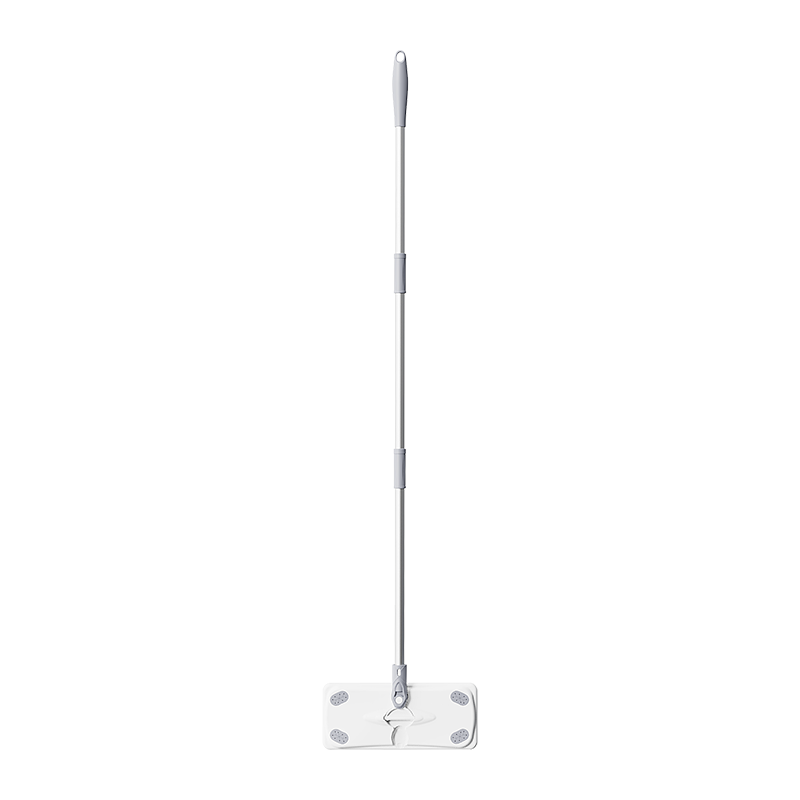
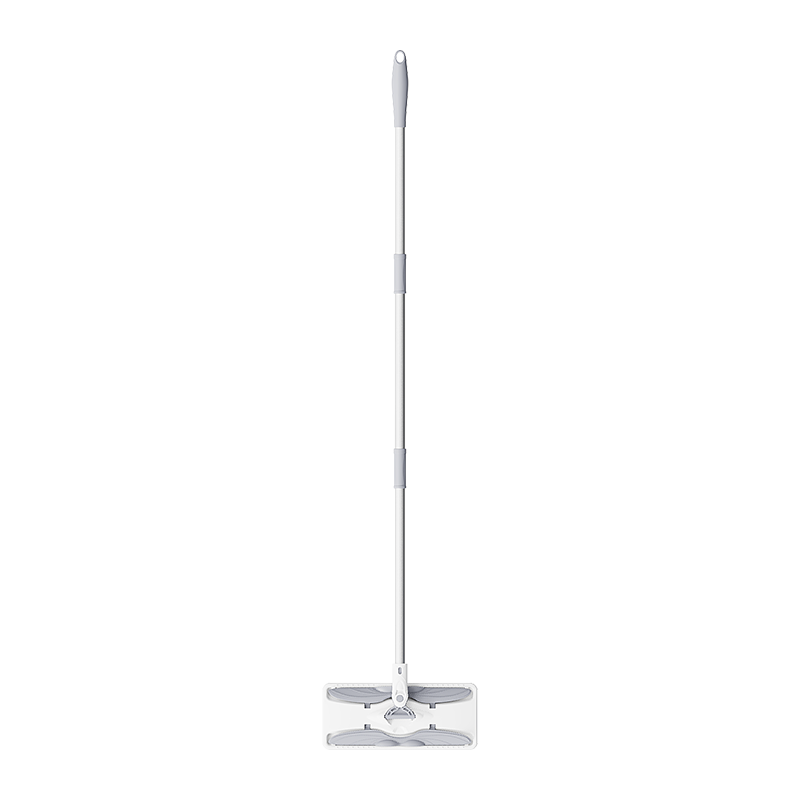
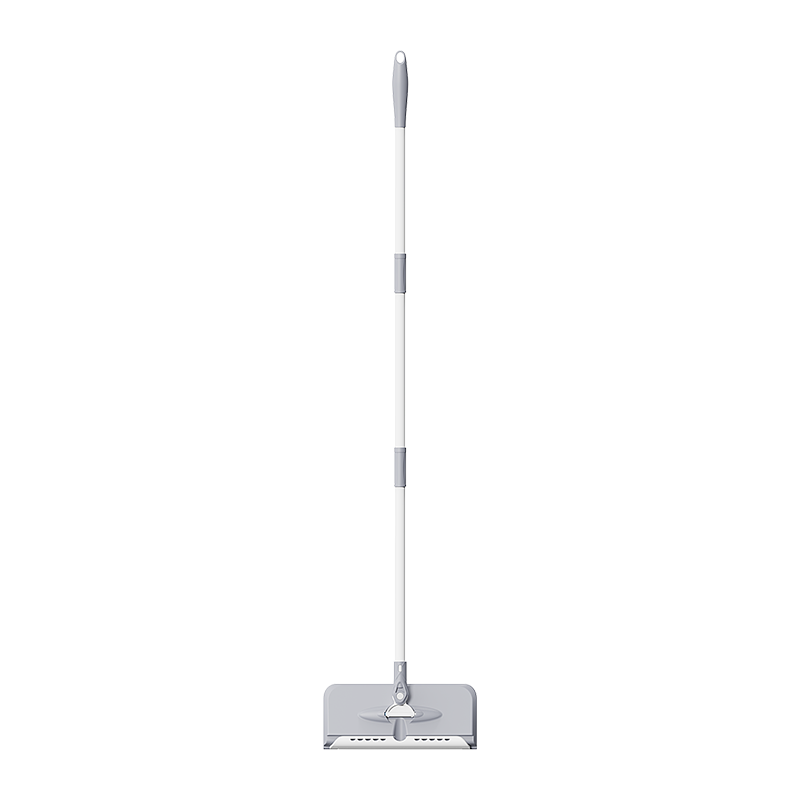
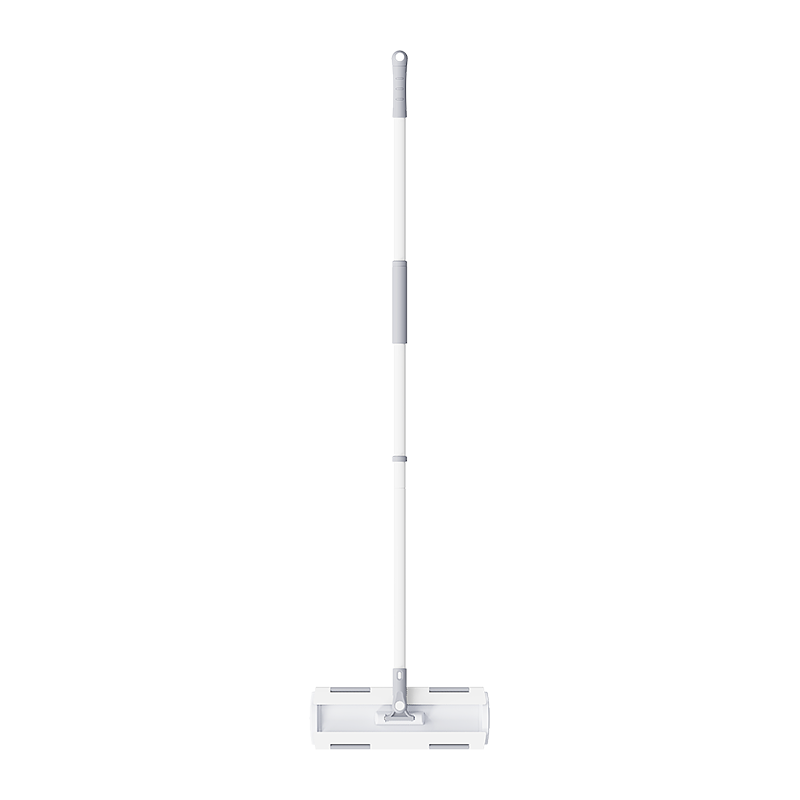
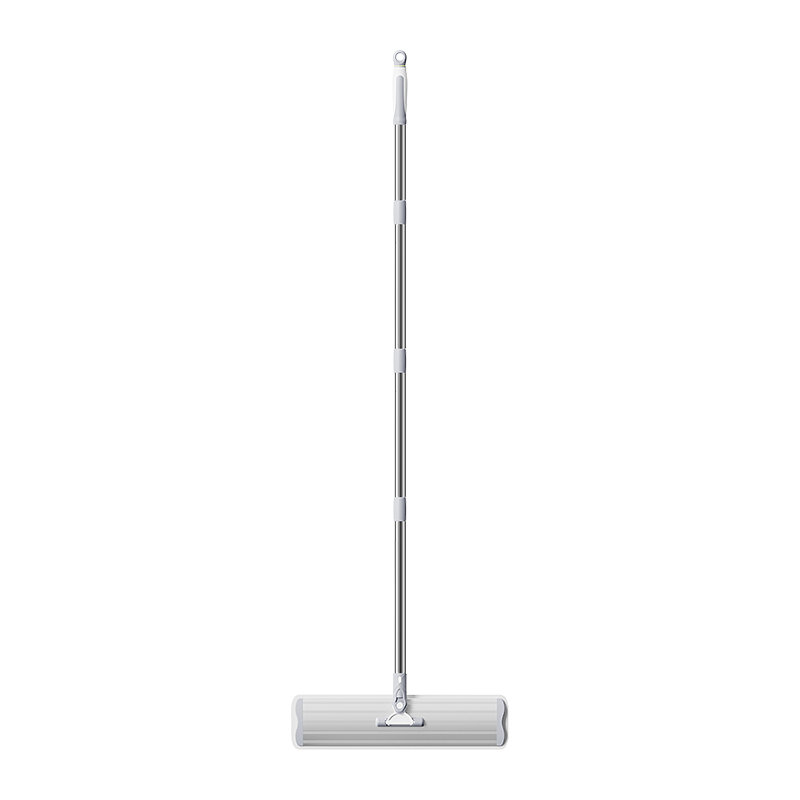
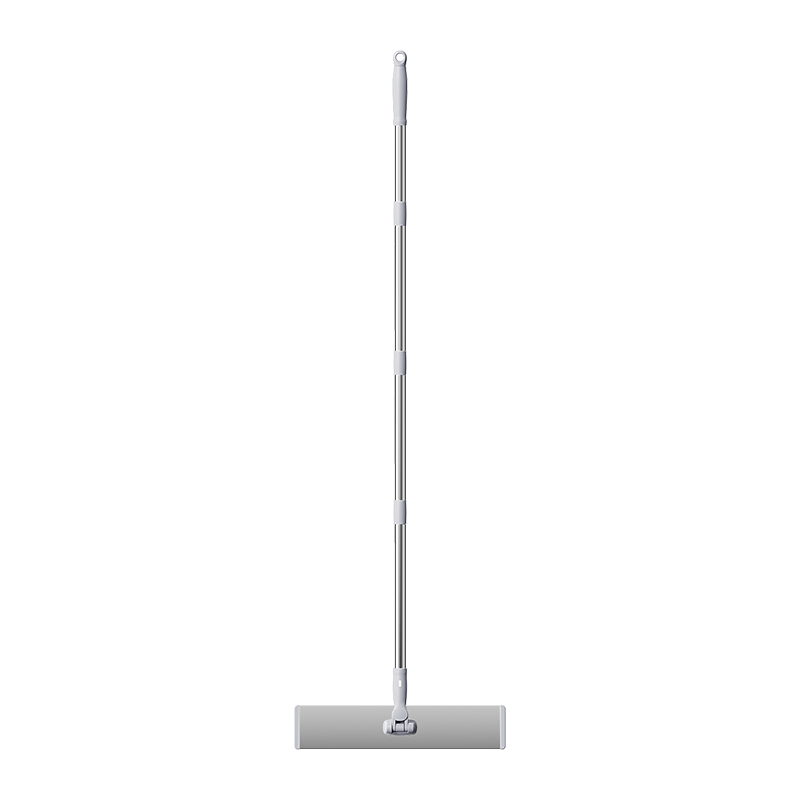
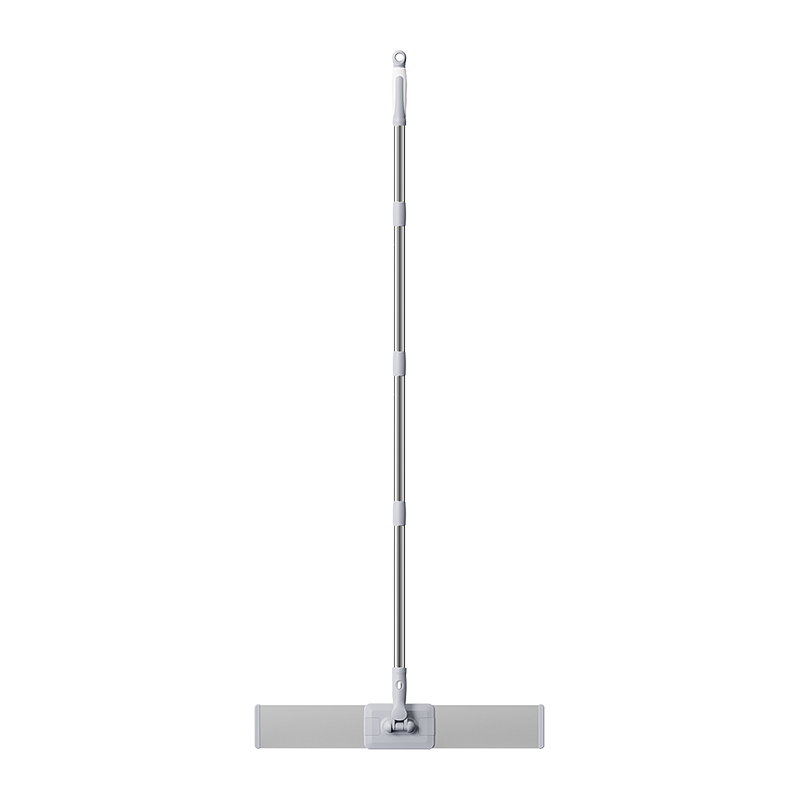
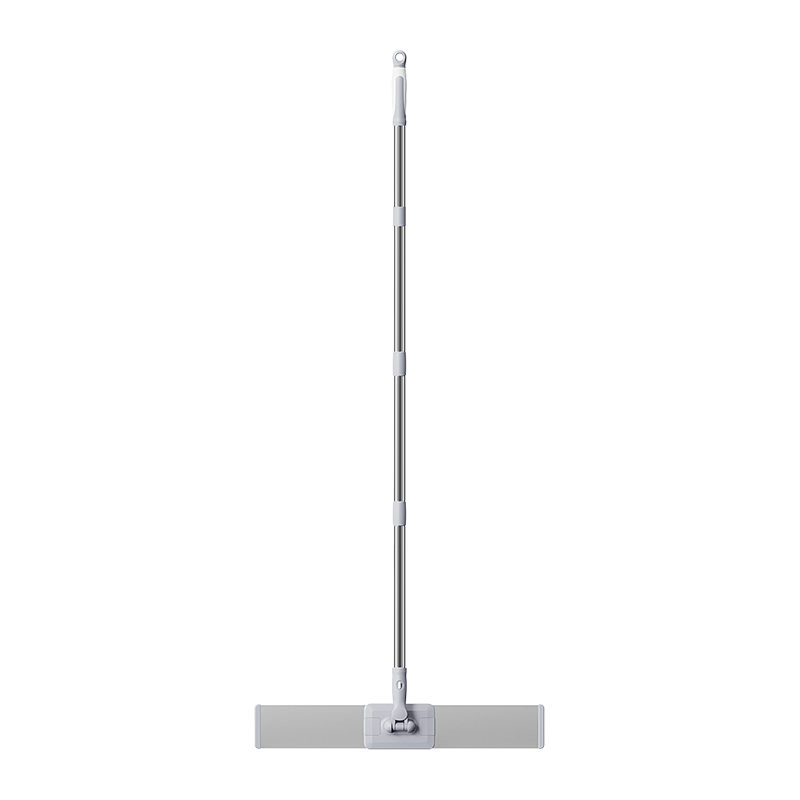
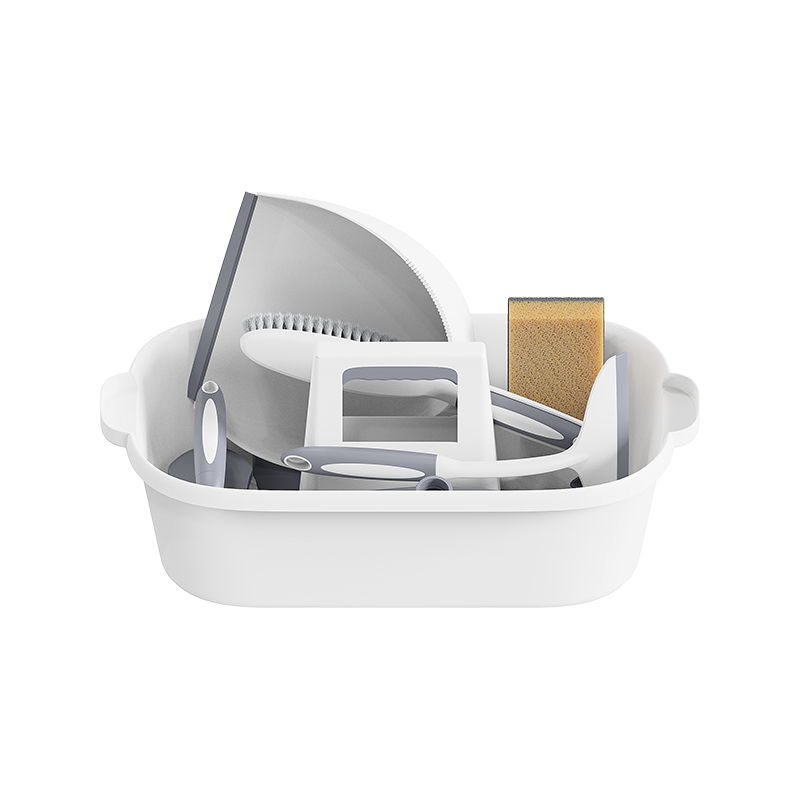
From concept to production, we can create the products you want.
 Contact InformationQuick Link
Scan Code
Business partner
Contact InformationQuick Link
Scan Code
Business partner











Copyright Ningbo Ivy Daily Commodity Co., Ltd. All Rights
Reserved.
China Cleaning Brushes Manufacturer
Brushing Cleaning Supplier

