

 中文简体
中文简体 English
 Español
 Français
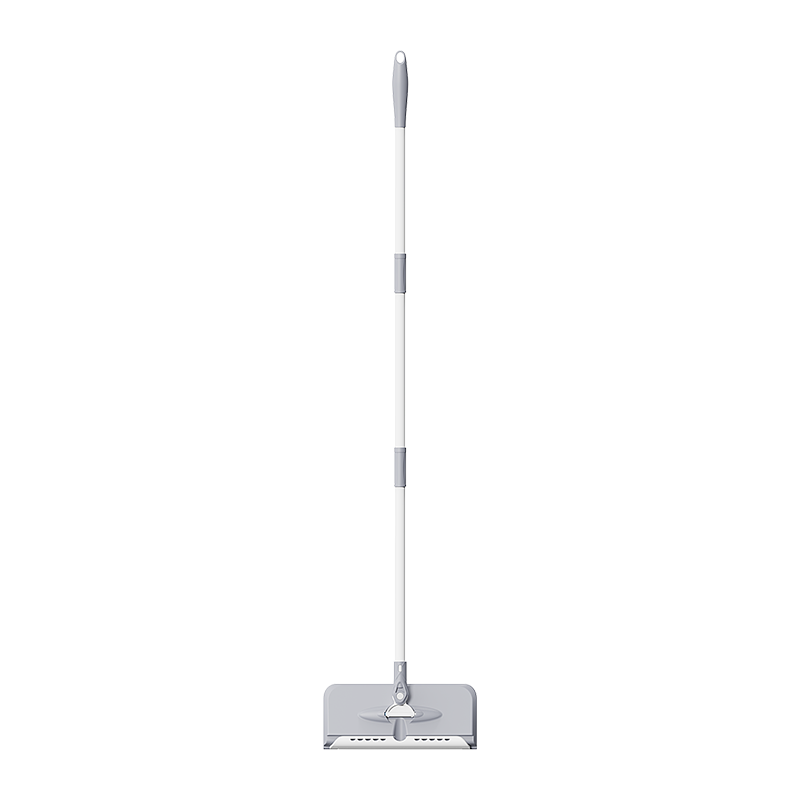
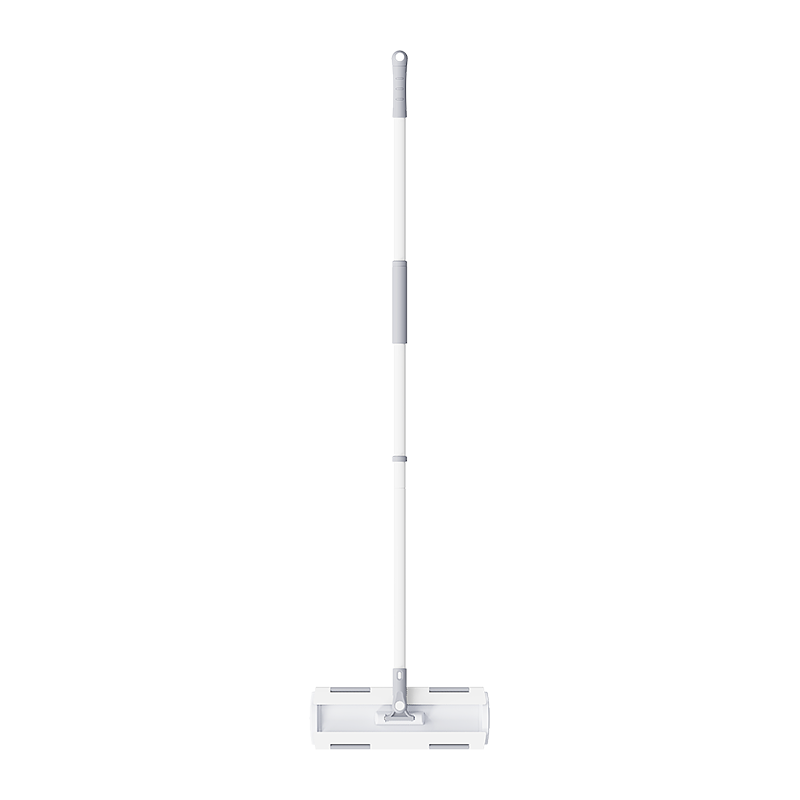
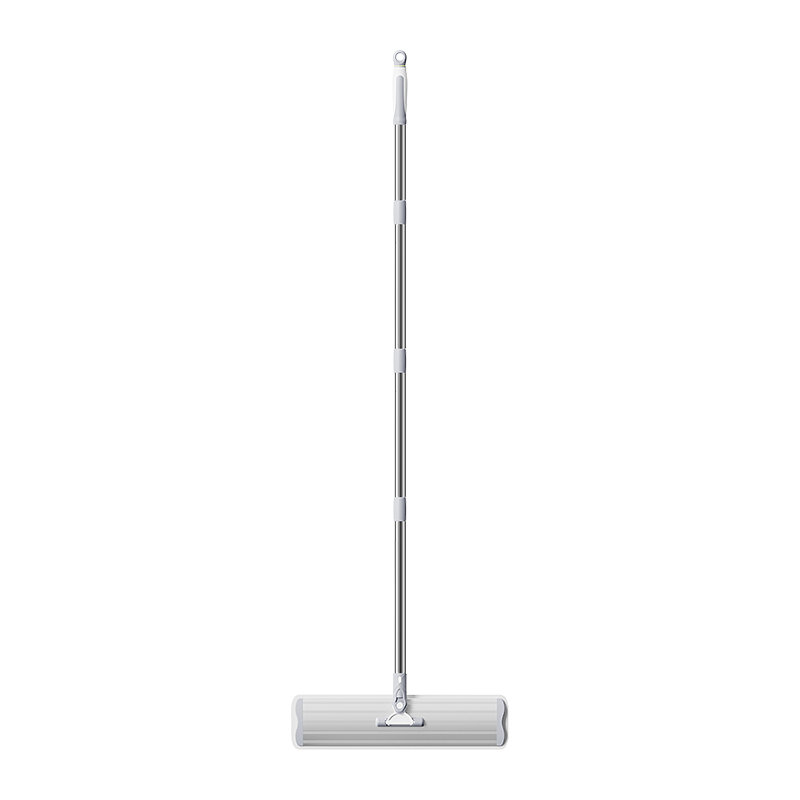
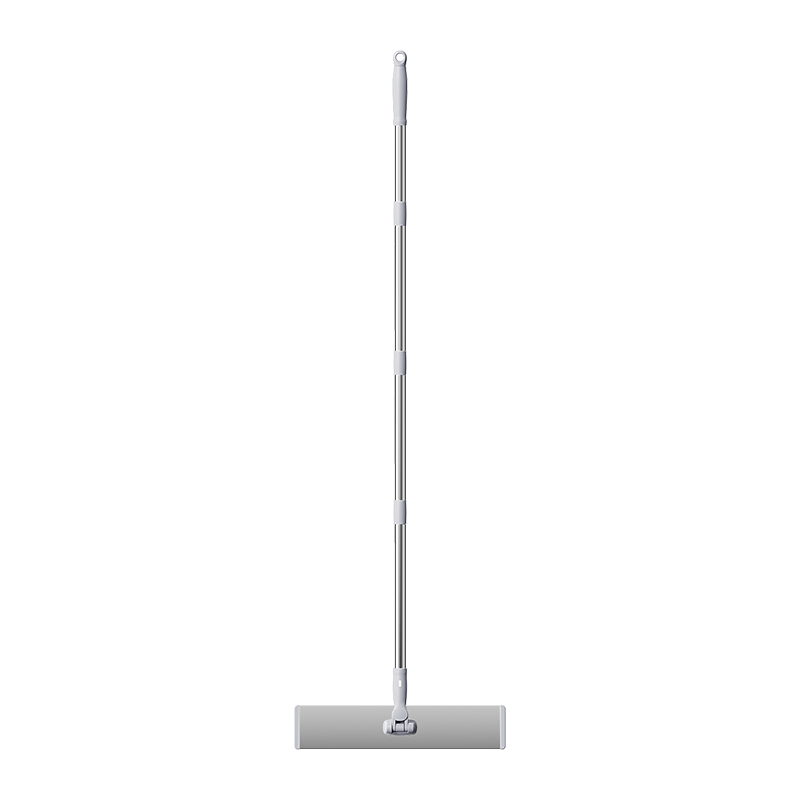
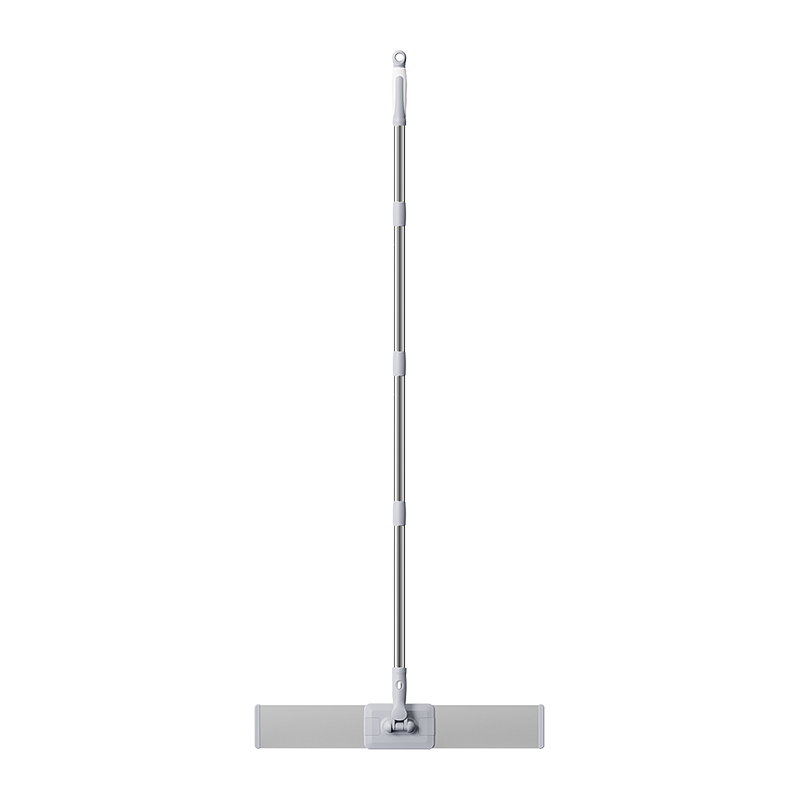
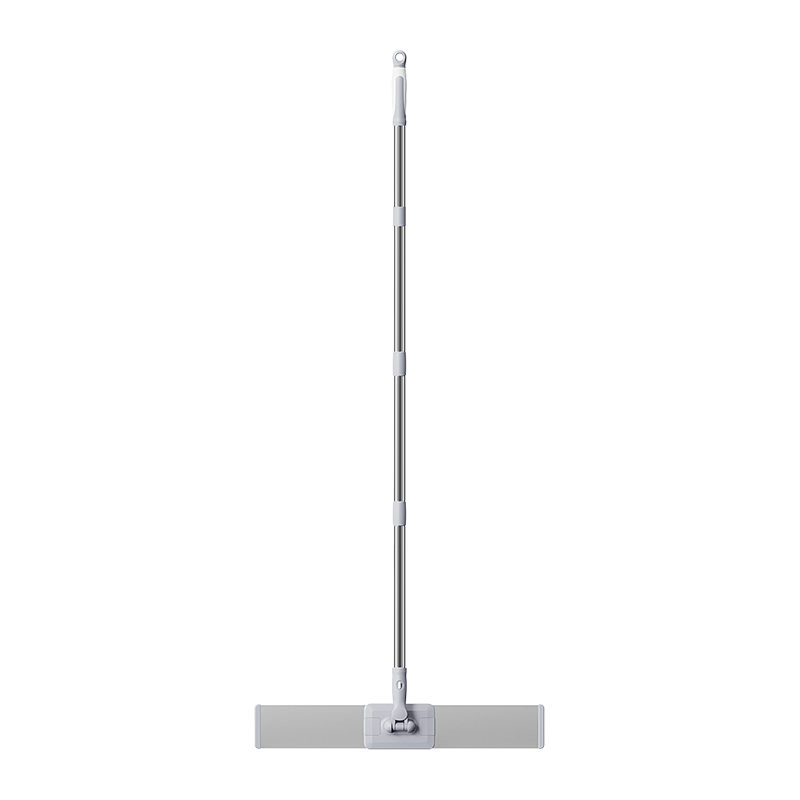
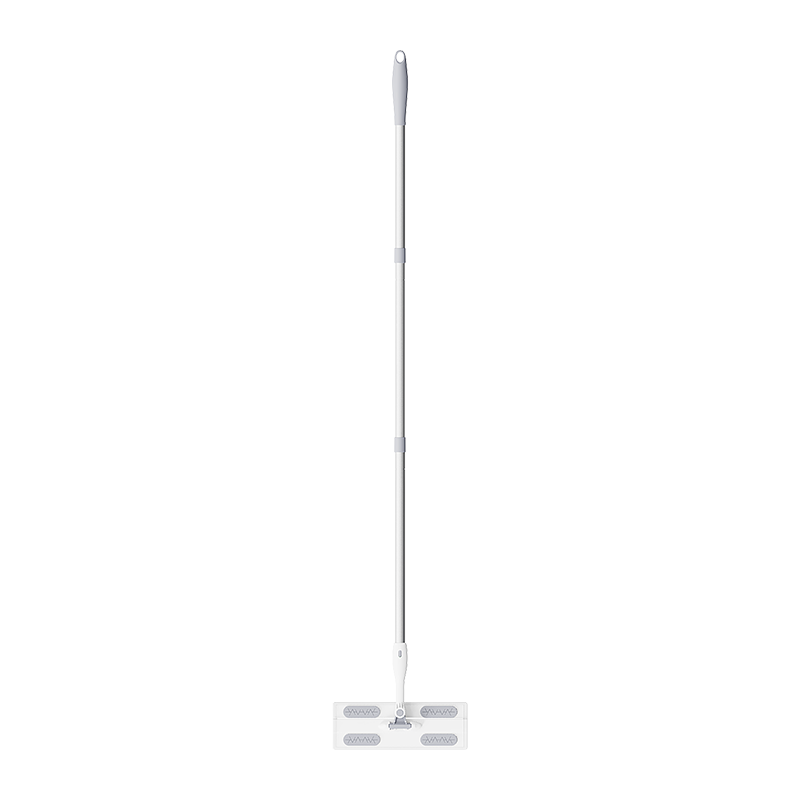
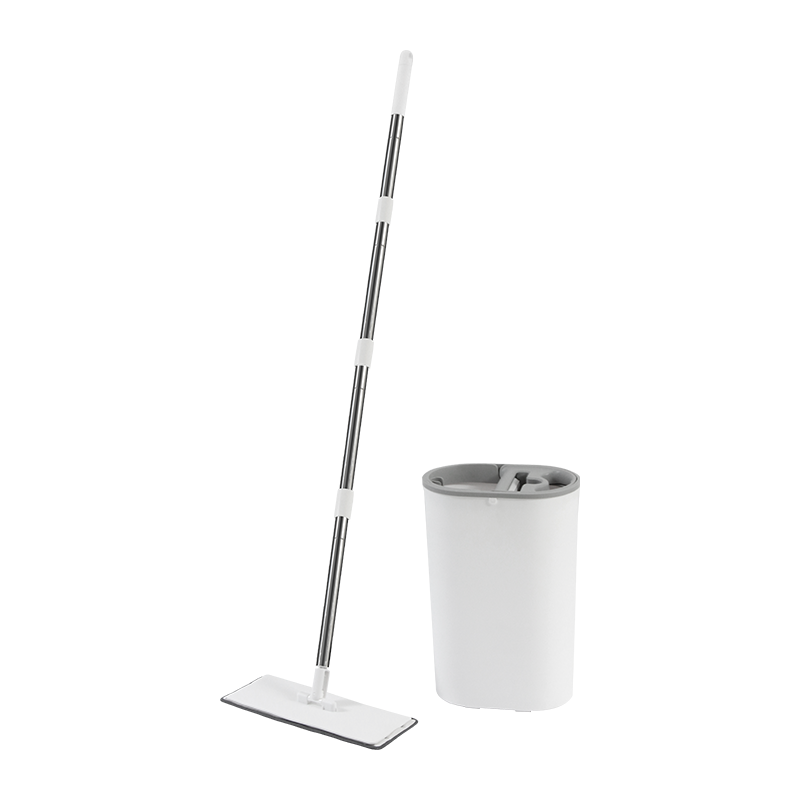
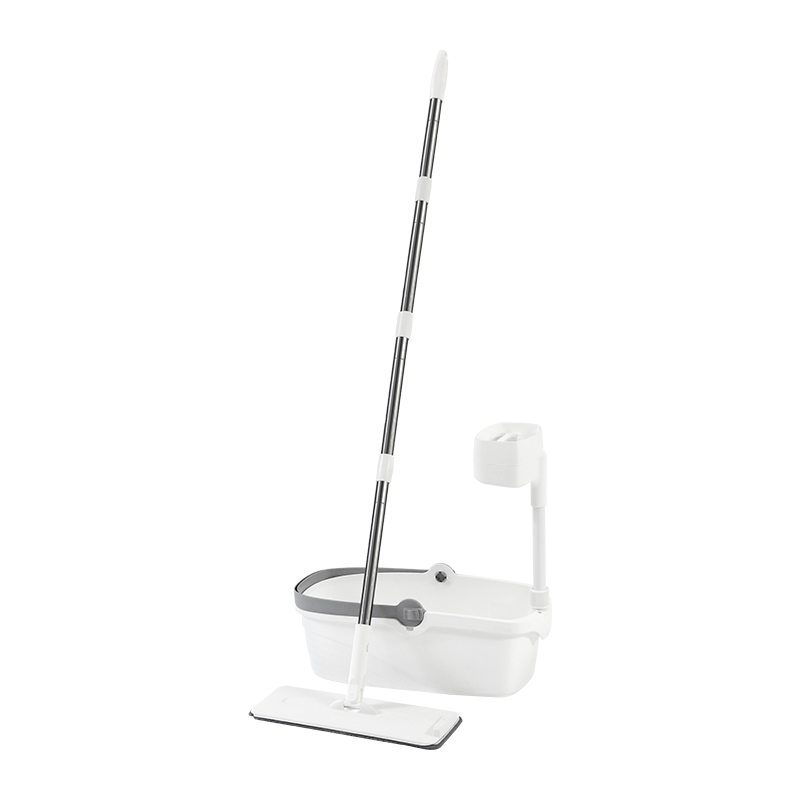
2 in 1 Dry and Wet Mop

Grease and food residue are often among the most difficult stains to remove during our daily dishwashing routine. Especially after cooking greasy foods, pots, pans, and utensils are often left with a stubborn layer of grease, which is a real headache. So, how effective is a dish brush in removing these stubborn grease stains? Can it really effectively remove grease?
1. Structure and Function of a Dish Brush
A dish brush usually consists of a handle, a brush head, and bristles. The material and hardness of the bristles determine the cleaning effect of the dish brush. Common dish brush materials include:
Nylon bristles: High temperature resistant and wear-resistant, suitable for general cleaning tasks.
Natural fiber bristles: Environmentally friendly and soft, suitable for delicate tableware.
Steel wire bristles: Strong cleaning ability, suitable for stubborn stains and heavy grease, but may scratch the surface of cookware.
The shape of the dish brush head is usually designed to fit various sizes of tableware and utensils, allowing it to effectively clean grease and dirt from different items such as bowls, plates, cups, and pots.
2. Effectiveness of Dish Brushes in Removing Stubborn Grease Stains
(1) Bristle Hardness and Cleaning Power
The cleaning effect of a dish brush largely depends on the hardness and density of the bristles. Hard bristles provide stronger friction during cleaning, thus effectively removing grease. However, overly hard bristles may scratch sensitive surfaces, such as non-stick pans and ceramic tableware. Conversely, soft-bristled brushes may require longer cleaning time and more effort to remove stubborn grease stains.
(2) Bristle Material Selection
Different bristle materials have different effects in removing grease. Steel wire bristles are very suitable for removing stubborn grease stains deposited on the bottom of pots and cast iron pans, especially in cases of burnt-on food. Steel wire brushes provide sufficient friction to loosen and remove the stains. However, this type of bristle is not suitable for delicate tableware to avoid scratching the surface. Nylon bristles, on the other hand, are suitable for most tableware and can effectively remove grease without damaging the surface.
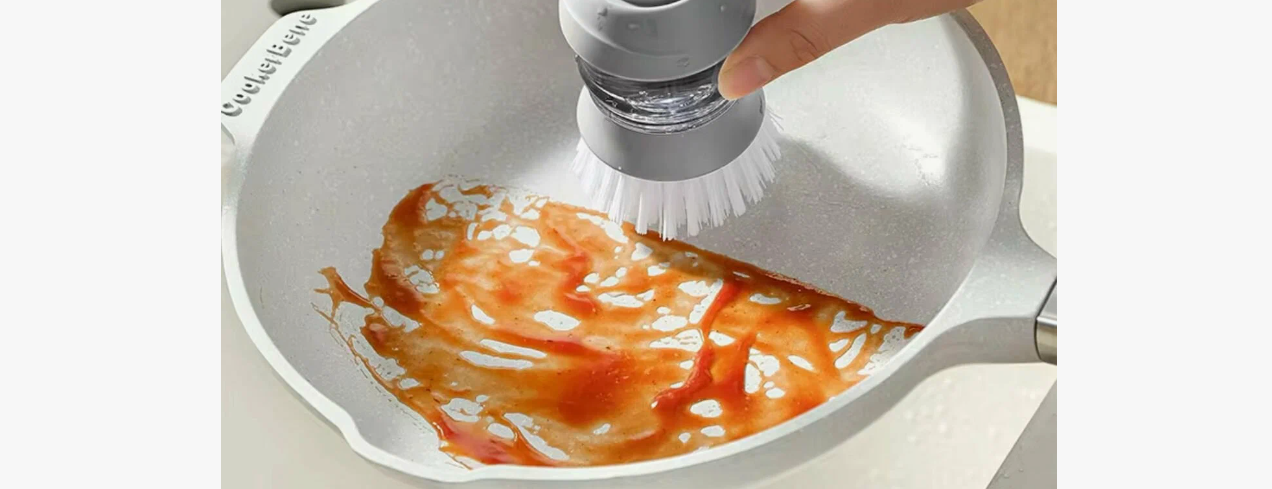
(3) Dish Brush Design and Usage Techniques
The design of the dish brush also affects its cleaning effectiveness. Some dish brushes are equipped with rotating brush heads or adjustable handles, providing better angles and force to adapt to cleaning different shapes of tableware. Choosing the right brush head design and using proper techniques can help improve cleaning effectiveness, especially when removing stubborn grease stains.
(4) Using with Cleaning Agents
Combining a dish brush with cleaning agents can greatly improve the effectiveness of removing grease stains. Common kitchen cleaning agents, such as dish soap, degreasers, natural vinegar, or baking soda, can help soften grease stains, making them easier to remove with a dish brush. Soaking tableware in hot water before cleaning with a dish brush can significantly improve cleaning results.
3. How to Choose the Right Dish Brush?
Choosing the right dish brush is crucial depending on the type of grease stains and the material of the tableware. Here are the best choices for different situations:
| Scene | Recommended Dishwashing Brush Type | Advantages | Considerations |
| Grease on regular dishes | Nylon bristle dishwashing brush | Gentle, durable, suitable for everyday cleaning | Not suitable for heavy grease, takes longer to clean |
| Stubborn grease on baking trays and cast iron pans | Steel wire bristle dishwashing brush | Powerful cleaning, removes tough grease | Avoid scratching non-stick coatings on pans |
| Grease on fine porcelain or glassware | Natural fiber bristle dishwashing brush | Eco-friendly, soft, protects delicate surfaces | Cleaning effect is slower, requires more time |
| Frying pans and wok with heavy grease | Polypropylene or nylon bristle dishwashing brush | Suitable for high-temperature grease, durable and powerful cleaning | Needs to be used with cleaning agents, avoid scratching surfaces |
| Mixed grease and burnt residues | Rotating or adjustable angle brush head dishwashing brush | Convenient for cleaning corners and hard-to-reach areas | Requires higher cleaning skills |
4. Maintenance and Cleaning of Dish Brushes
To ensure your dish brush effectively removes grease stains for a long time, regular cleaning and maintenance are necessary. After use, thoroughly clean the bristles to prevent grease and detergent residue from accumulating. Additionally, it is recommended to soak the dish brush in warm water and disinfectant periodically for sterilization and cleaning, maintaining the hygiene of the bristles.
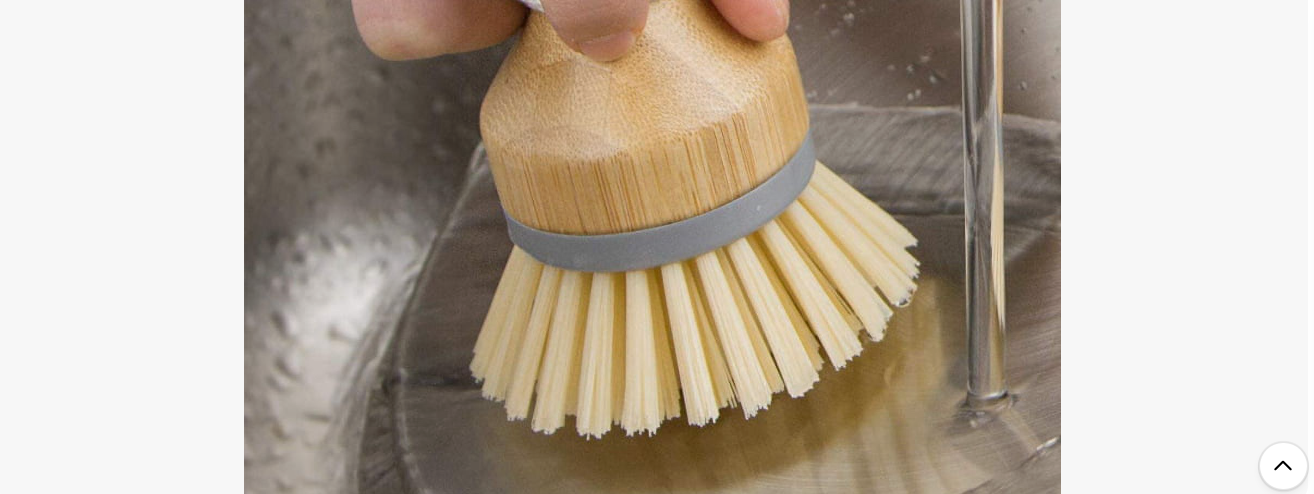
The effectiveness of dish brushes in removing stubborn grease stains is evident, especially when used in combination with appropriate cleaning agents. Choosing the right material, bristle hardness, and design can significantly improve the cleaning power of the dish brush, particularly for different types of grease and tableware. By regularly maintaining your dish brush and ensuring it is in optimal condition, you can extend its lifespan and achieve better cleaning results.
A dish brush is more than just a simple kitchen tool; it's an essential helper for tackling stubborn grease stains, allowing you to easily handle various cleaning challenges in the kitchen.
From concept to production, we can create the products you want.
 Contact InformationQuick Link
Scan Code
Business partner
Contact InformationQuick Link
Scan Code
Business partner











Copyright Ningbo Ivy Daily Commodity Co., Ltd. All Rights
Reserved.
China Cleaning Brushes Manufacturer
Brushing Cleaning Supplier

