

 中文简体
中文简体 English
 Español
 Français
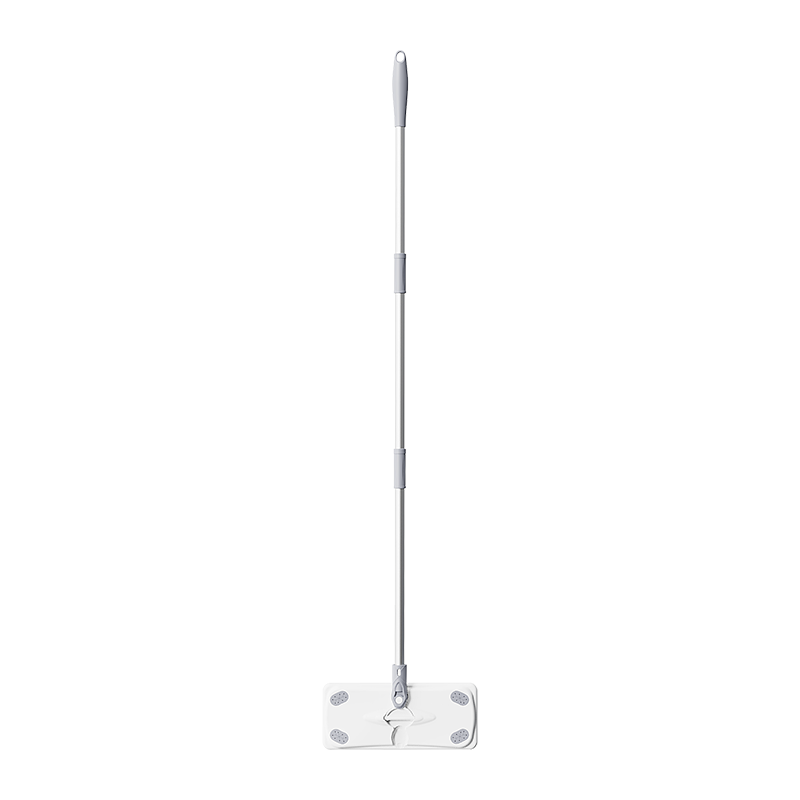
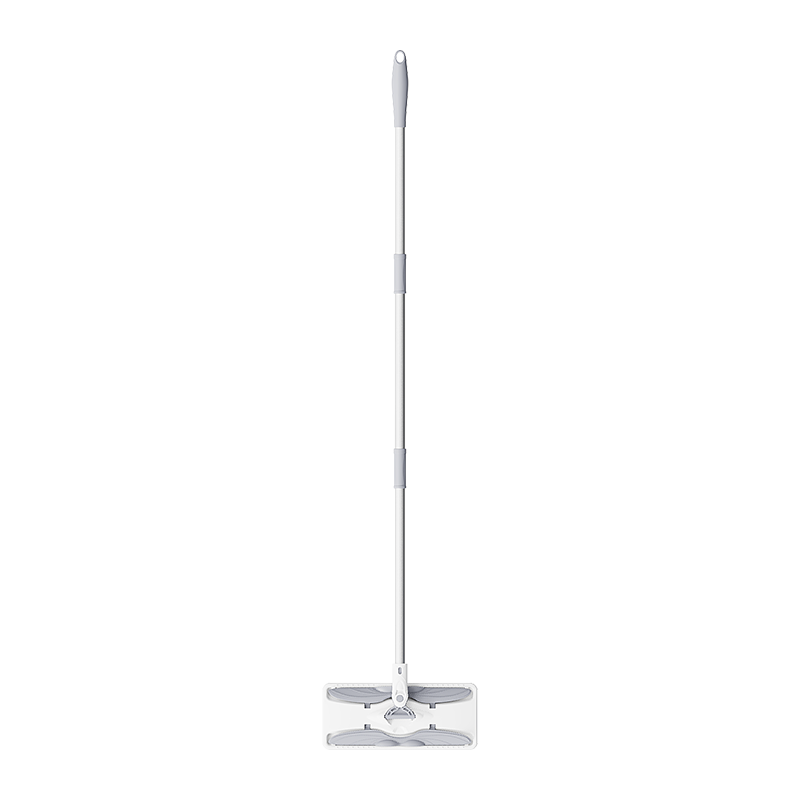
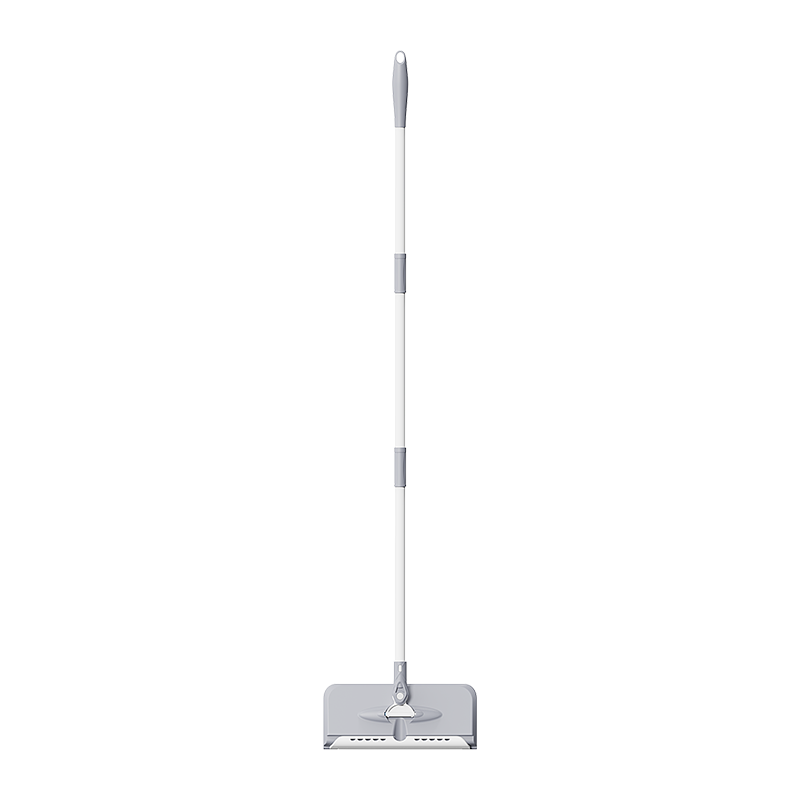
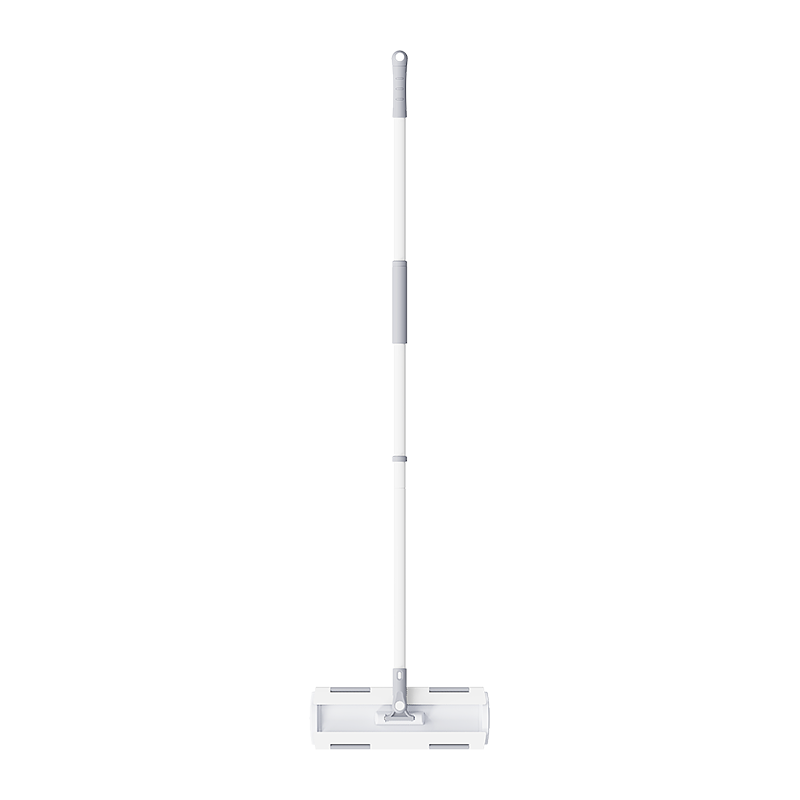
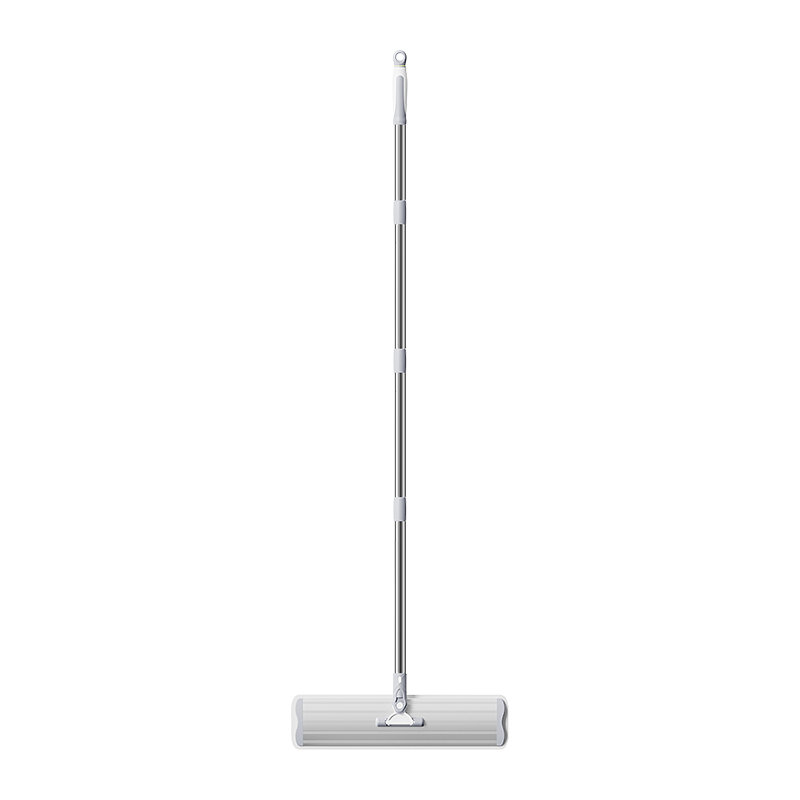
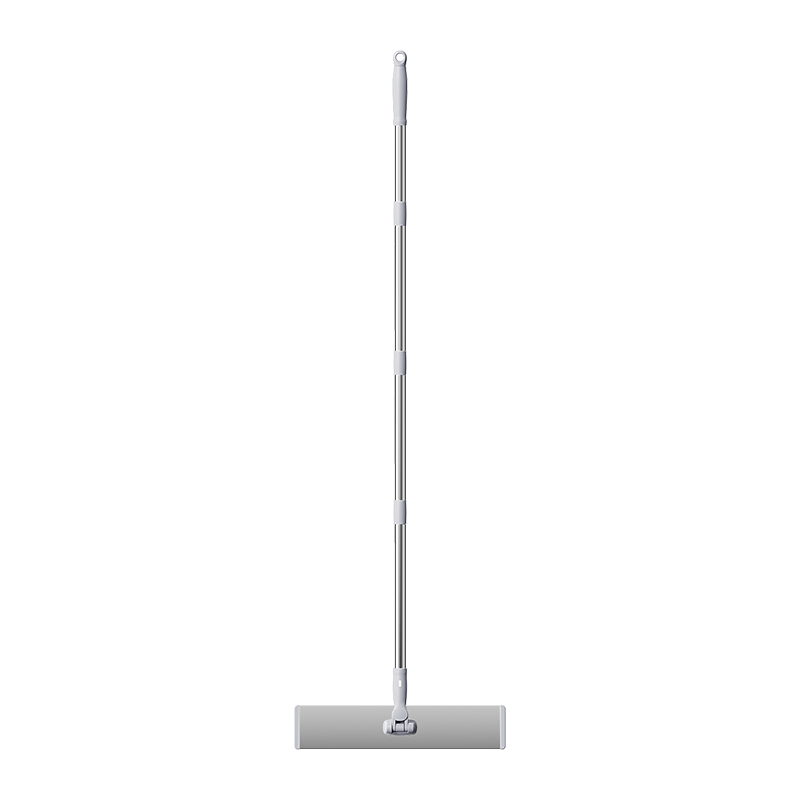
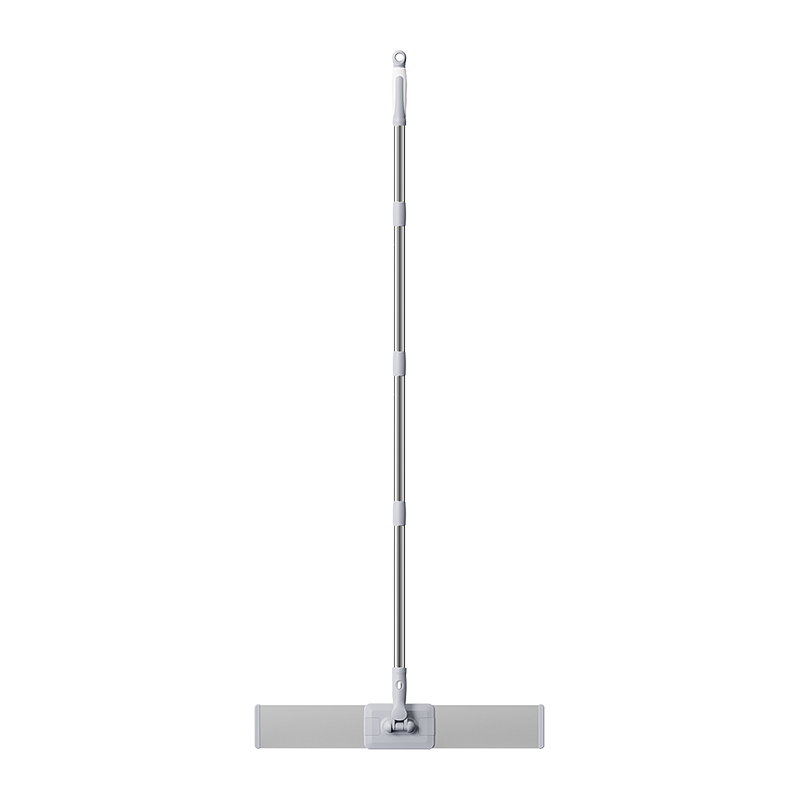
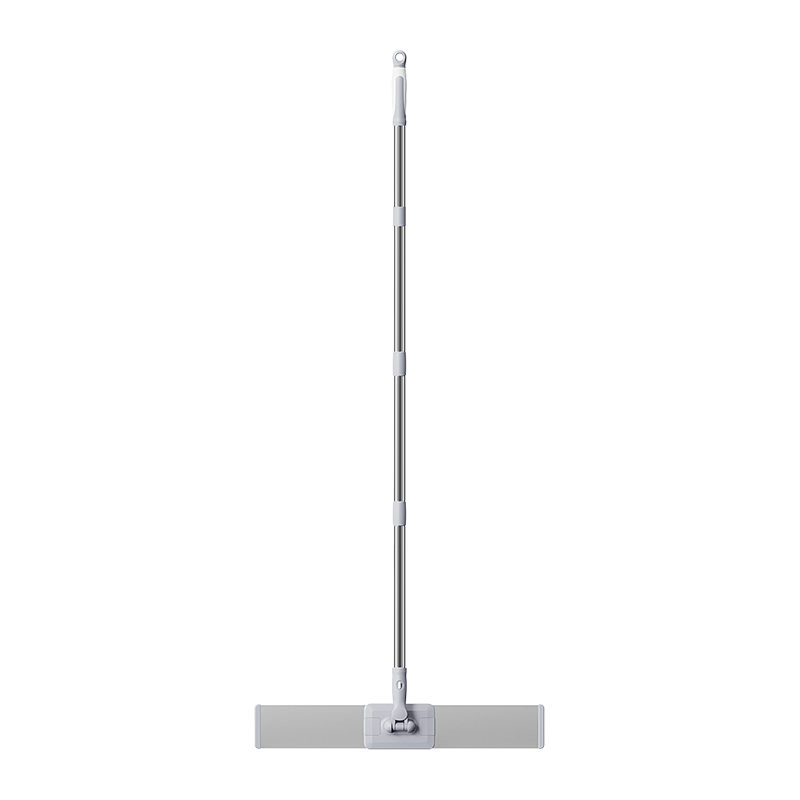
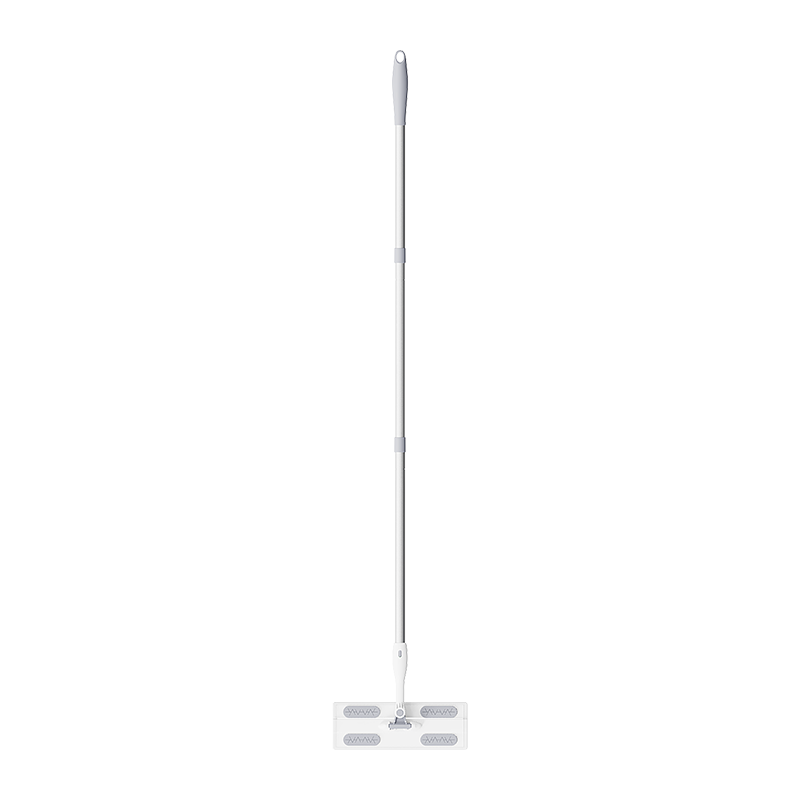
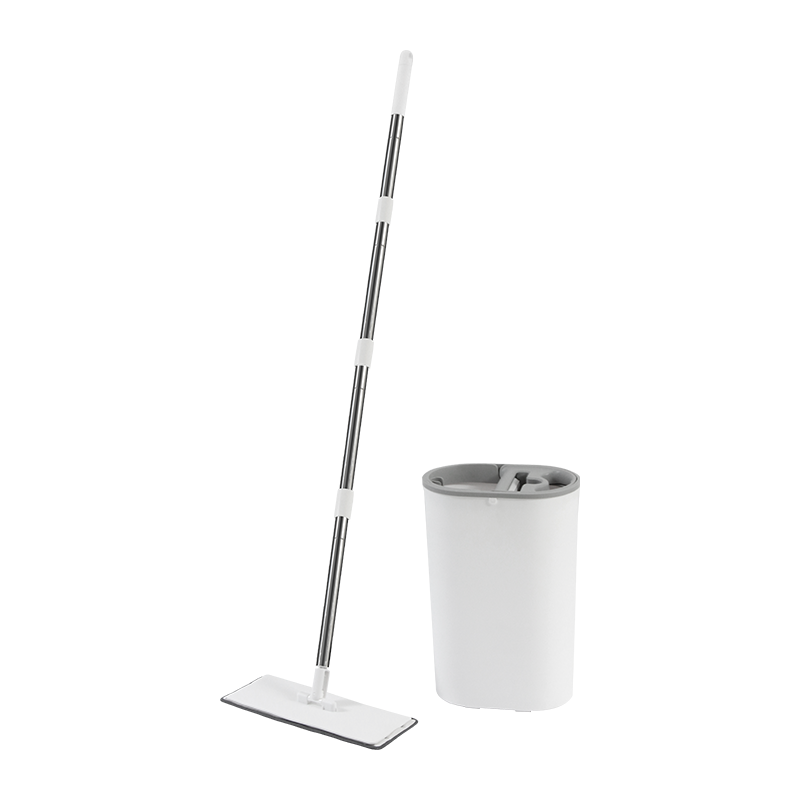
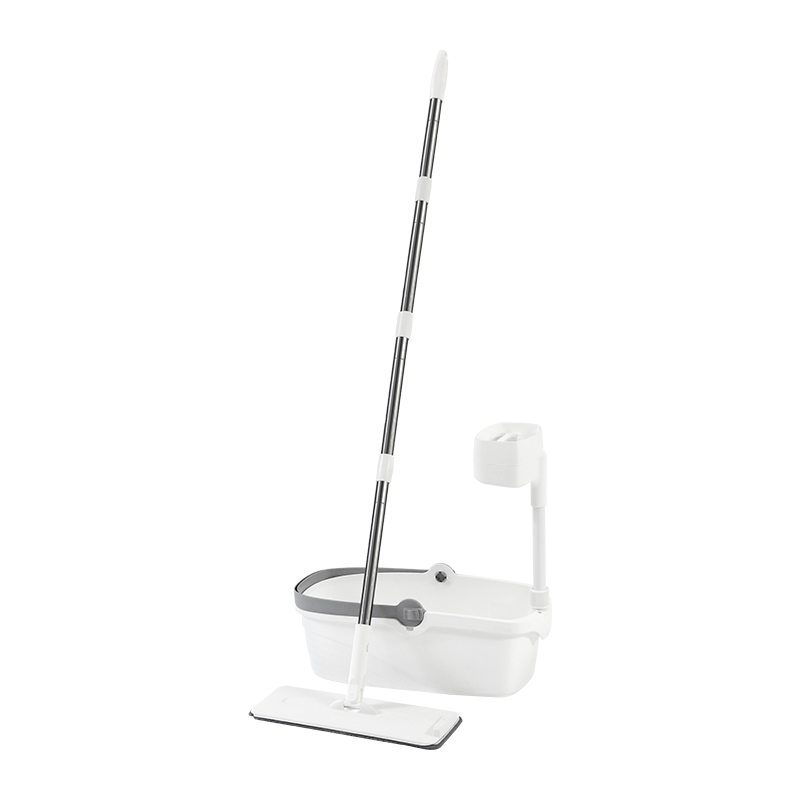
2 in 1 Dry and Wet Mop

The bathroom is the easiest place in the home for limescale, stains, and mold to accumulate. Because bathrooms are constantly exposed to a humid environment, walls and tile surfaces are easily damaged by moisture, soap scum, and bath product residue, gradually building up stubborn stains and affecting the cleanliness and hygiene of the bathroom. A bathroom brush, as a bathroom cleaning tool, can not only remove these stains but also keep walls and tiles looking brand new.
1. Bathroom Brush Design and Function
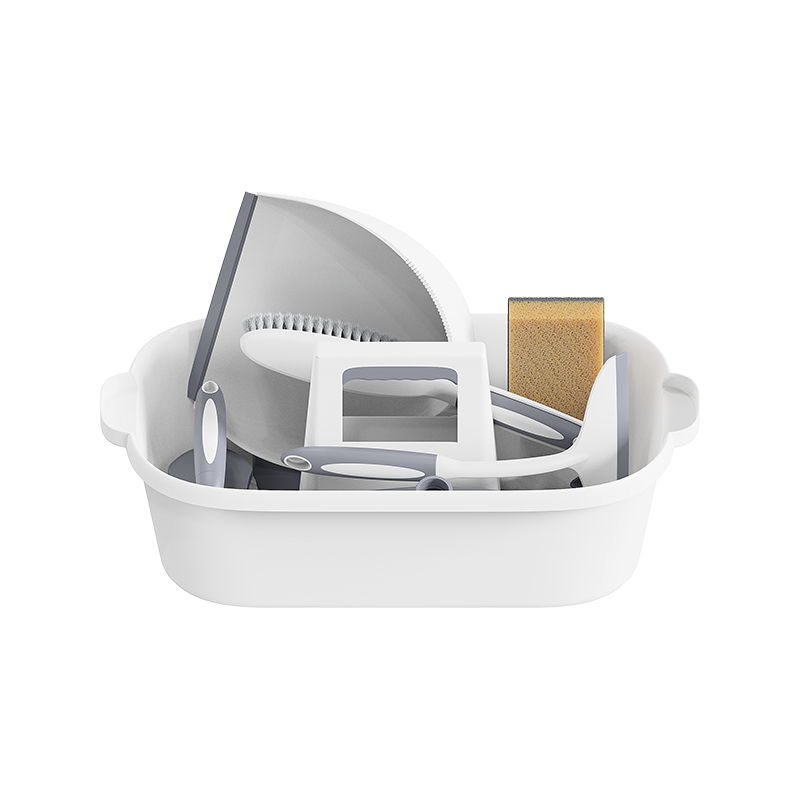
Bathroom brushes are typically designed with stiff bristle heads, suitable for cleaning corners, crevices, and hard-to-reach areas. The bristle material and handle length vary depending on the type; common bristle materials include nylon, polyester, and natural hair, suitable for cleaning different surfaces.
The main function of a bathroom brush is to remove stains, mold, limescale, soap scum, and other contaminants accumulated on walls and tiles through the friction of the bristles. It can reach deep into tile grout and corners, cleaning areas that other cleaning tools cannot reach.
2. How to Clean Walls and Tiles with a Bathroom Brush
(1) Preparing the Cleaning Agent
Choosing the right cleaning agent is key to cleaning bathroom walls and tiles. For everyday cleaning, you can choose mild soapy water, dish soap, or a dedicated tile cleaner. If you need to remove stubborn limescale and mold, you can use a strong cleaner containing descaling ingredients or a mixture of white vinegar and baking soda.
Before cleaning, spray the cleaning agent evenly on the wall and tile surface, especially areas with concentrated stains and limescale. Let it sit for a few minutes to allow the cleaning agent to work effectively.
(2) Scrubbing the Tile Surface
Use the bathroom brush to scrub the tile surface from top to bottom and from left to right. For tile surfaces, scrub gently to avoid scratching the surface with too much force. While scrubbing, pay attention to how the cleaning agent reacts with the stains under the friction of the brush head, loosening stubborn stains and limescale.
(3) Cleaning Tile Grout
The brush head of the bathroom brush is particularly suitable for cleaning tile grout and corners, which are often blind spots for cleaning. Due to the damp environment, mold and mildew easily grow in tile grout, accumulating stains. When using a bathroom brush, gently scrub these grout lines to ensure no dirt is left behind.
For grout lines with mold or limescale, use a mold remover or a cleaner containing bleach, combined with a bathroom brush, to effectively remove mold and disinfect.

(4) Scrubbing the Walls
Walls, especially near the shower area, easily accumulate limescale, soap scum, and bacteria. When cleaning with a bathroom brush, use a circular or back-and-forth brushing motion to ensure the bristles reach every corner of the wall. Be careful not to use excessive force when scrubbing to avoid damaging the wall coating or tile surface.
(5) Thorough Rinse
After cleaning, thoroughly rinse the walls and tiles with clean water to remove any remaining cleaning agent and dirt. Especially when using strong cleaners, ensure no cleaning agent residue is left to prevent corrosion of the walls and tiles.
3. Advantages of using a bathroom brush to clean walls and tiles
(1) Effectively removes stubborn stains
The stiff bristles of a bathroom brush can effectively remove stubborn stains from tile surfaces and walls, including limescale, soap scum, mold, and grease. The friction of the bristles easily removes long-accumulated stains, restoring the shine of the tiles and the cleanliness of the walls.
(2) Reaches hard-to-reach areas
The design of a bathroom brush allows it to reach deep into tile grout lines, wall corners, and small seams, cleaning areas that other cleaning tools often cannot. Especially in the gaps between tiles and wall seams, the fine bristles can penetrate deeply to thoroughly remove stains and mold.
(3) Saves time and effort
Compared to using a sponge or cloth, a bathroom brush is more efficient at cleaning walls and tiles. It can cover a larger cleaning area, reducing cleaning time and repetitive work. Especially when dealing with large walls or complex tile surfaces, bathroom brushes make the cleaning process much easier.
(4) Suitable for various surfaces
Bathroom brushes can not only clean tiled walls but also various other surfaces such as bathtubs, shower rooms, and floor tiles. Different bristle hardnesses can adapt to the cleaning needs of different surfaces, ensuring cleaning effectiveness without damaging the surface.
(5) Maintenance and cleaning of bathroom brushes
To ensure the longevity of your bathroom brush, clean it regularly after each use. After use, thoroughly rinse the bristles to remove any residual cleaning agents and stains. Let it air dry in a ventilated area to avoid prolonged storage in a humid environment, which can cause bristle deformation or mold growth. Regularly check the bristles for wear and replace with a new brush if necessary.
From concept to production, we can create the products you want.
 Contact InformationQuick Link
Scan Code
Business partner
Contact InformationQuick Link
Scan Code
Business partner











Copyright Ningbo Ivy Daily Commodity Co., Ltd. All Rights
Reserved.
China Cleaning Brushes Manufacturer
Brushing Cleaning Supplier

