

 中文简体
中文简体 English
 Español
 Français
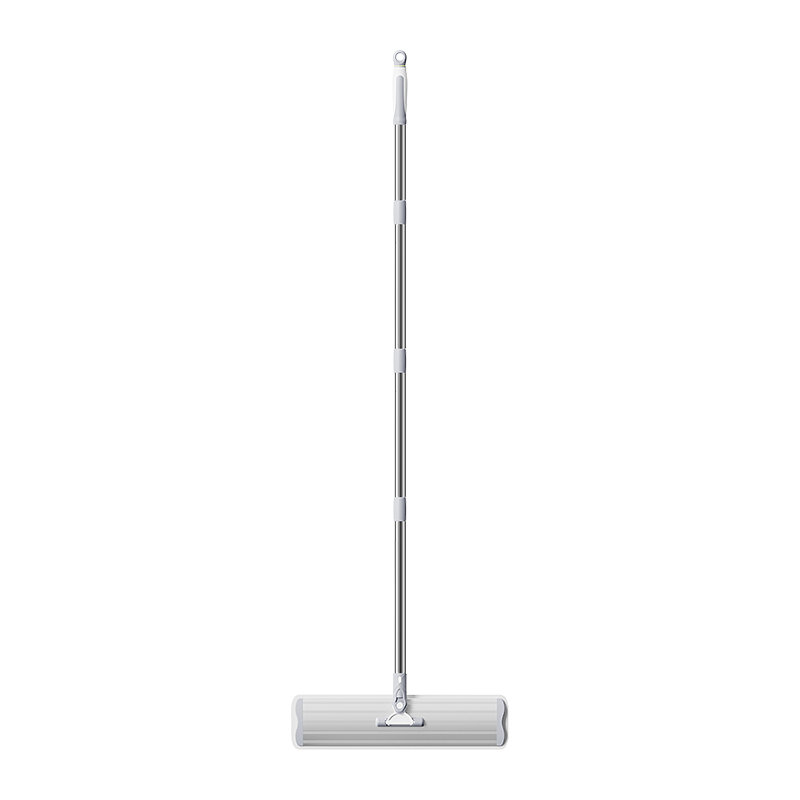
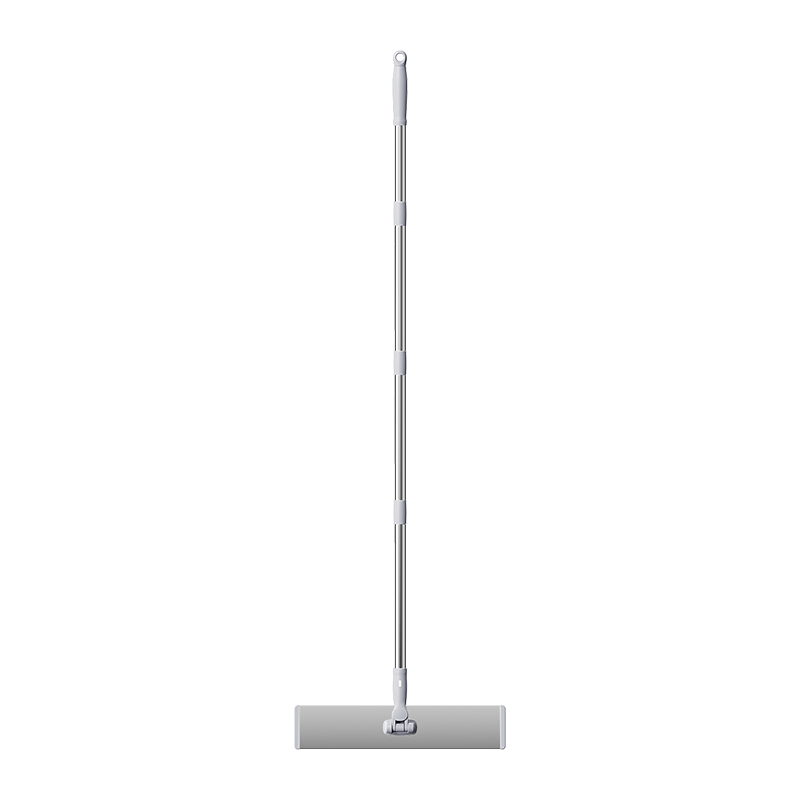
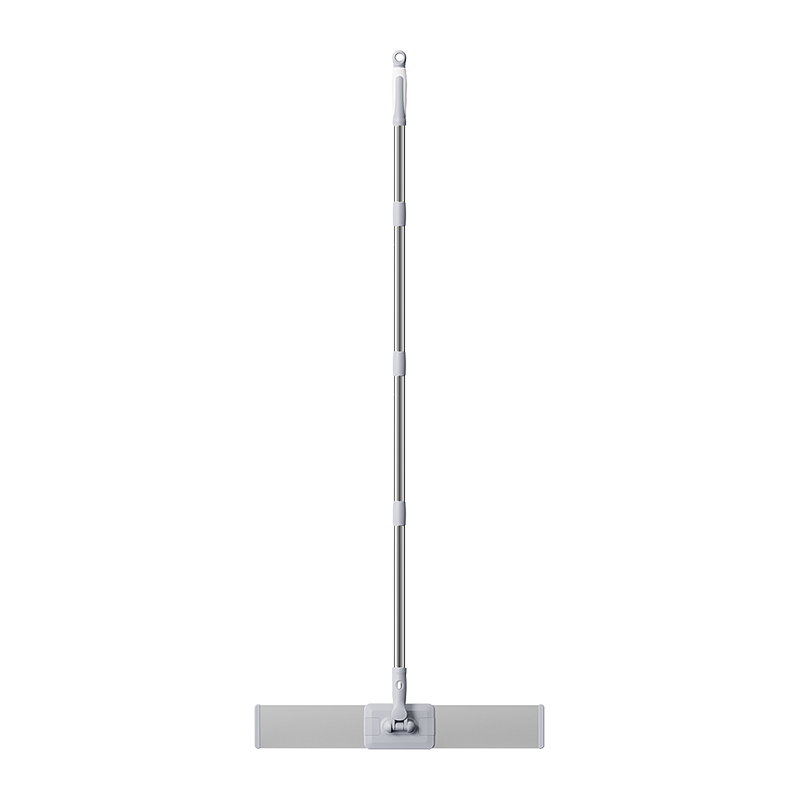
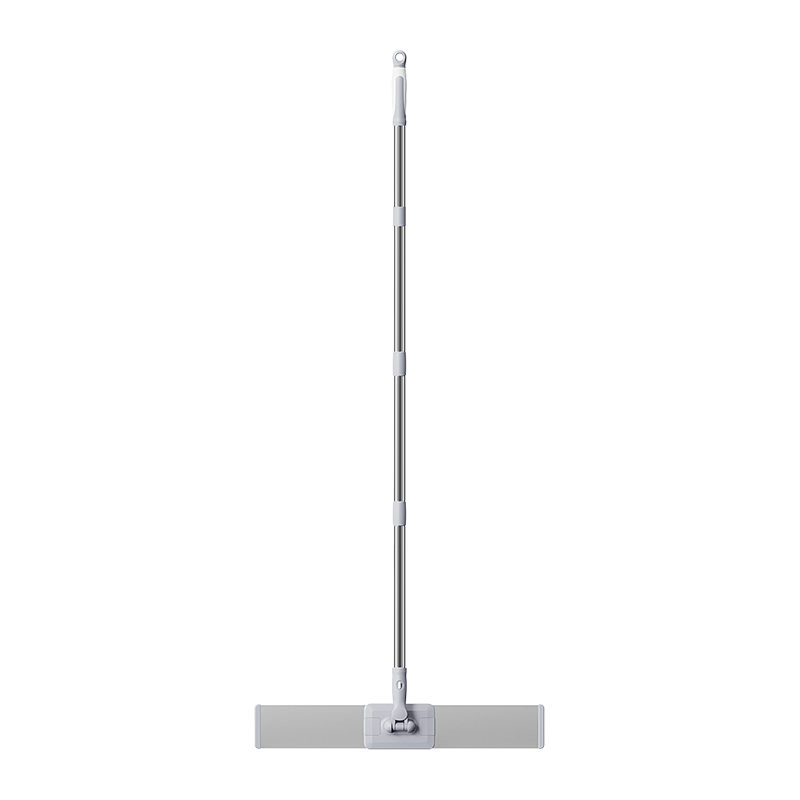
2 in 1 Dry and Wet Mop

For most modern cleaning environments — residential floors, commercial spaces, and hard-surface healthcare settings — flat mops outperform traditional string or sponge mops in cleaning efficiency, hygiene, labor reduction, and floor drying time. Studies from professional cleaning associations show that flat mop systems can clean up to 40% faster than conventional mops while leaving floors 60% drier, significantly reducing slip hazards. That said, traditional mops retain a clear edge in specific scenarios: heavy liquid spills, textured outdoor surfaces, and deep grout cleaning where a string mop's volume and scrubbing mass are genuinely superior.
This comparison breaks down each category with real performance data so you can make the right choice for your specific floor type, cleaning frequency, and operational context.
Content
Understanding the mechanical differences explains why each type performs better in certain conditions. The two designs take fundamentally different approaches to floor contact, solution delivery, and soil removal.
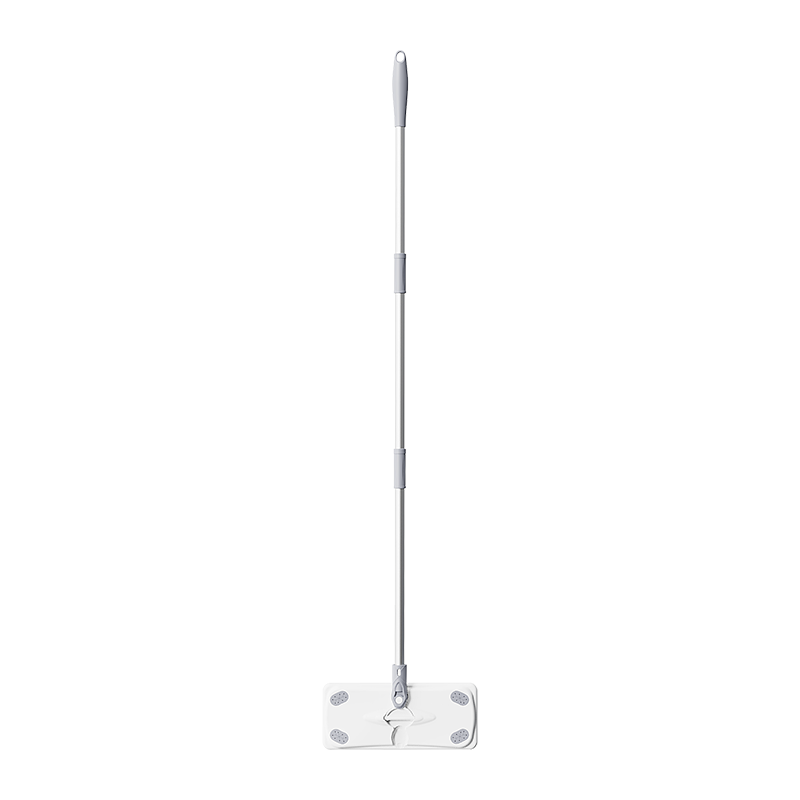
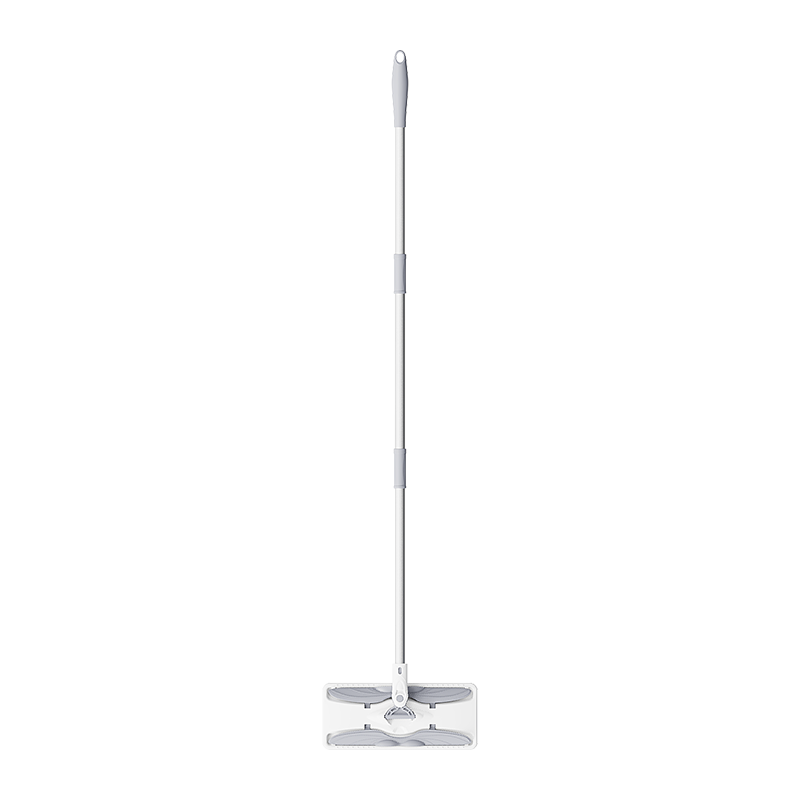
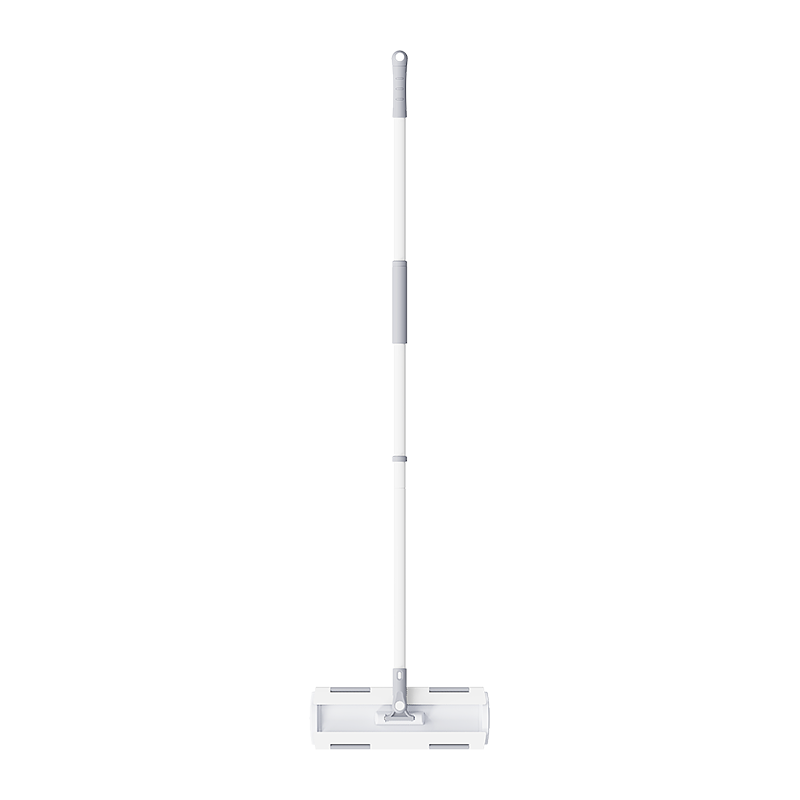
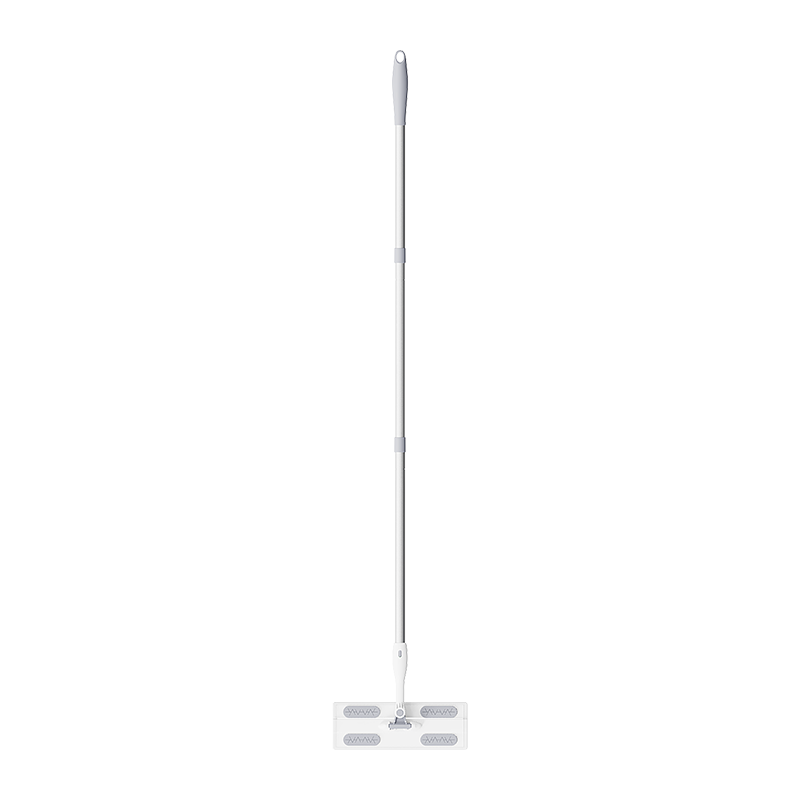
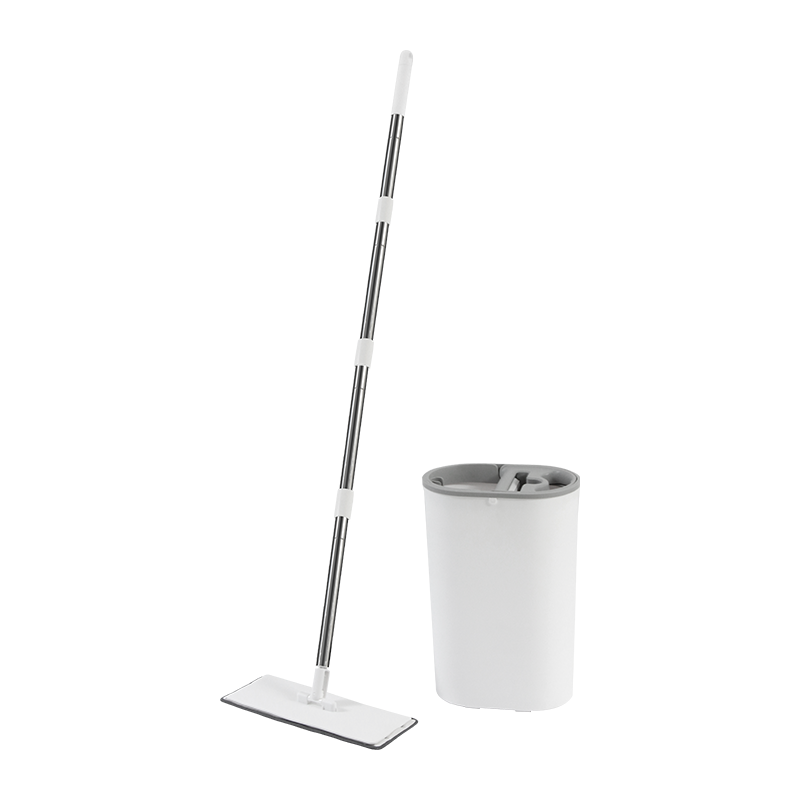
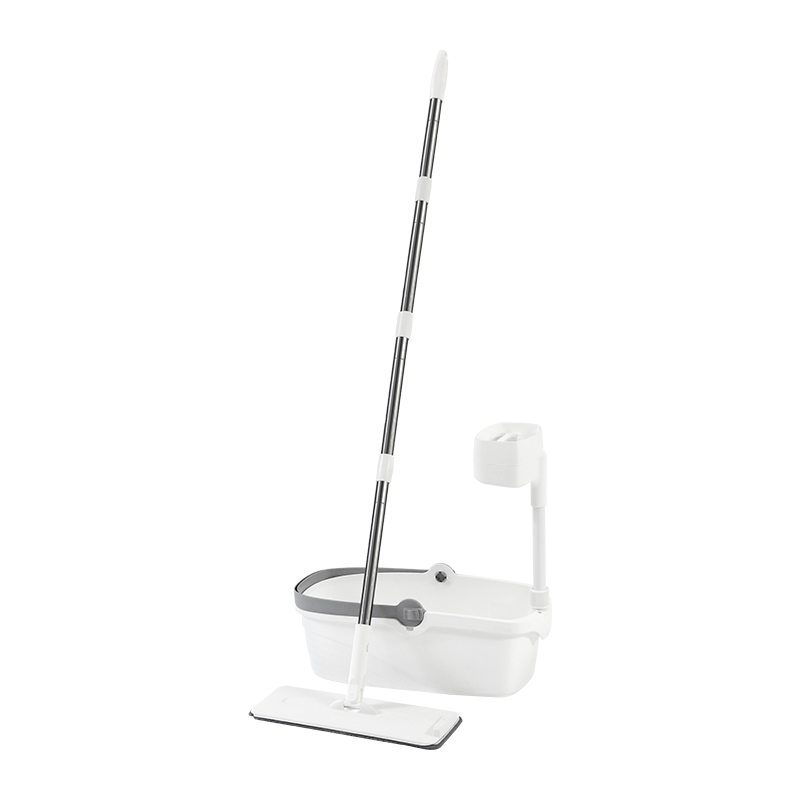
A flat mop uses a rectangular or trapezoidal frame — typically 12"–18" wide — fitted with a microfiber, cotton, or synthetic pad attached via hook-and-loop or pocket sleeves. The frame pivots 360° on a swivel joint, allowing the pad to maintain full contact with the floor surface regardless of handle angle. Cleaning solution is pre-applied to the pad or dispensed through a spray mechanism built into the handle. The flat profile means virtually the entire pad surface contacts the floor simultaneously, maximizing both solution transfer and soil pickup per stroke.
Traditional mops — whether string (looped cotton strands), cut-end (loose cotton threads), or sponge — rely on a large volume of absorbent material saturated with cleaning solution. The mop head is submerged in a bucket, wrung out with a press wringer or twist mechanism, then applied to the floor in a figure-eight or side-to-side motion. The high liquid capacity (a standard string mop holds 8–16 oz of solution) is its primary advantage for heavy soiling and large liquid spills, but also its main limitation: wet floors remain damp for 10–20 minutes, creating slip hazards and potential moisture damage to wood or laminate floors.
The following table summarizes how flat mops and traditional mops compare across the most important practical performance categories for everyday and professional cleaning.
| Performance Category | Flat Mop | Traditional Mop | Winner |
|---|---|---|---|
| Cleaning Speed (sq ft/hr) | 1,500–2,500 | 900–1,500 | Flat Mop |
| Floor Drying Time | 2–5 minutes | 10–20 minutes | Flat Mop |
| Bacteria Removal Rate | Up to 99% (microfiber) | ~60–70% | Flat Mop |
| Heavy Spill Absorption | Limited | Excellent | Traditional Mop |
| Grout and Textured Floor Scrubbing | Moderate | Good | Traditional Mop |
| Water Usage per 1,000 sq ft | 0.5–1.5 gallons | 3–6 gallons | Flat Mop |
| Under-Furniture Reach | Excellent (low profile) | Poor | Flat Mop |
| Cross-Contamination Risk | Low (single-use pads) | High (reused mop head) | Flat Mop |
| Initial Cost | $15–$60 (system) | $8–$35 | Traditional Mop |
In commercial and institutional cleaning, labor is the dominant cost — not supplies or equipment. The productivity difference between flat and traditional mops has a measurable financial impact at scale.
A trained cleaner using a flat mop system can cover 1,500–2,500 sq ft per hour on open hard-surface floors, compared to 900–1,500 sq ft per hour with a traditional string mop. The difference comes from three factors: the flat mop's 360° pivot eliminates repositioning strokes, there is no bucket-dipping cycle, and the lighter weight (flat mop systems typically weigh 1.5–3 lbs vs. 4–8 lbs for a soaking string mop) reduces fatigue over multi-hour shifts.
For a facility cleaning 10,000 sq ft daily at $18/hour labor cost, the productivity advantage of flat mops translates to approximately $2,000–$4,500 in annual labor savings — far exceeding the cost of upgrading equipment.
For healthcare facilities, food service environments, and households with young children or immunocompromised individuals, bacterial removal performance is the most critical metric — and this is where flat mops with microfiber pads deliver a decisive advantage.
Microfiber flat mop pads are composed of fibers 1/100th the diameter of a human hair, creating millions of microscopic hooks that physically capture and hold bacteria, dust, and particulates rather than simply pushing them around. Independent laboratory testing by the Hospitality Institute of Technology and Management found that microfiber flat mop pads remove up to 99% of surface bacteria with water alone, compared to 60–70% removal with cotton string mops using standard cleaning solution.
Traditional string mops present an additional hygiene liability: a single mop head used across multiple rooms re-deposits bacteria collected from earlier areas onto subsequently cleaned surfaces. Studies in hospital settings have demonstrated that a contaminated traditional mop can spread pathogens to 90% of subsequently cleaned surfaces. Flat mop systems using single-use or zone-specific pads eliminate this cross-contamination pathway entirely.
The best mop for any situation is partly determined by the floor surface being cleaned. Neither type is universally superior across all floor categories.
Traditional mops win on upfront cost but lose significantly on total cost of ownership when labor, water, chemical, and replacement costs are factored in over a full year of use.
| Cost Factor | Flat Mop System | Traditional String Mop |
|---|---|---|
| Initial Purchase (handle + head) | $20–$60 | $15–$40 (incl. bucket/wringer) |
| Replacement Pads / Heads (annual) | $15–$40 (washable pads) | $30–$80 (replace every 1–3 months) |
| Annual Water Usage Cost | ~$5–$15 | ~$20–$60 |
| Annual Cleaning Chemical Cost | $10–$30 (microfiber requires less) | $25–$70 |
| Labor Cost Differential (annual, residential) | Saves ~20–40 hours/yr vs. traditional | Baseline |
| Estimated Annual Total (residential) | $30–$85 | $75–$210 |
Not all flat mops are created equal. If you've decided that a flat mop is the right tool for your cleaning needs, these are the most important features to evaluate before purchasing.
On moderately to heavily soiled smooth floors, yes — a flat mop with a fresh microfiber pad and appropriate cleaning solution will match or exceed traditional mop performance. However, for floors with baked-on grease, deep grout channels, or heavy particulate buildup, a pre-treatment step (scrubbing with a stiff brush or applying degreaser dwell time) is needed before flat mopping. In these scenarios, a traditional mop's greater scrubbing mass and liquid volume provide a measurable advantage on the initial pass, with a flat mop often used for the final clean rinse.
Quality microfiber pads are rated for 200–500 machine wash cycles before their fiber structure degrades enough to reduce cleaning performance. To maximize pad longevity, wash in warm water (not hot — above 140°F damages microfiber), avoid fabric softener (it clogs the fiber structure and reduces absorbency by up to 50%), and air dry or tumble dry on low. When pads no longer release soil after washing or leave streaks during cleaning, they should be replaced. A single quality microfiber pad at $5–$12 that lasts 300 washes costs approximately $0.02–$0.04 per use.
Yes, with some technique adjustment. The 360° swivel joint allows flat mops to pivot around toilet bases effectively, and the low-profile frame slides under toilet tanks and vanity bases. For 90° floor corners, use the mop at a 45° angle to push the pad edge into the corner. Some flat mop frames feature a tapered or pointed front edge specifically designed for corner access. For very tight spaces like between the toilet base and wall, a smaller detail mop or a folded pad corner may be needed to supplement the flat mop.
Flat mops with microfiber pads are significantly better for pet-owning households for two reasons. First, microfiber's electrostatic properties attract and capture pet hair, dander, and fine particulates that string mops tend to push around. Second, the low-moisture cleaning method is safer for hardwood and laminate floors — the most common flooring in pet households — where repeated traditional mop use accelerates finish deterioration from excessive moisture. For pet urine cleanup specifically, use an enzymatic cleaner pre-spray with a dedicated flat mop pad (not your regular cleaning pad) to avoid cross-contaminating other areas.
After each use, remove the pad immediately and machine wash separately from other laundry (microfiber sheds particles that can clog other fabrics). Rinse the frame with clean water and allow to air dry — do not store the frame with a damp pad attached, as this promotes mold and mildew growth in the pad. Inspect the swivel joint periodically and apply a small amount of silicone lubricant if the pivot becomes stiff. The handle should be wiped down with a disinfectant wipe after cleaning bathrooms or sick-room environments. Properly maintained, a quality flat mop frame should last 3–7 years with regular residential use.
Commercial flat mops differ from residential models primarily in frame width (18"–24" vs. 12"–14"), pad durability (commercial-grade microfiber rated for 500+ washes vs. 200 for residential), and handle strength (aluminum or fiberglass vs. plastic). Top-rated commercial systems include the Rubbermaid HYGEN, the Unger SmartColor system (which uses color-coded pads to prevent cross-contamination between zones), and the 3M Easy Shine system for polished floors. For facilities using a color-coding hygiene protocol — standard in healthcare and food service — choose a flat mop system that offers pads and accessories in multiple colors, typically 4 colors: red (restrooms), yellow (high-risk areas), blue (general), green (food prep).
From concept to production, we can create the products you want.
 Contact InformationQuick Link
Scan Code
Business partner
Contact InformationQuick Link
Scan Code
Business partner










Copyright Ningbo Ivy Daily Commodity Co., Ltd. All Rights
Reserved.
China Cleaning Brushes Manufacturer
Brushing Cleaning Supplier

