

 中文简体
中文简体 English
 Español
 Français
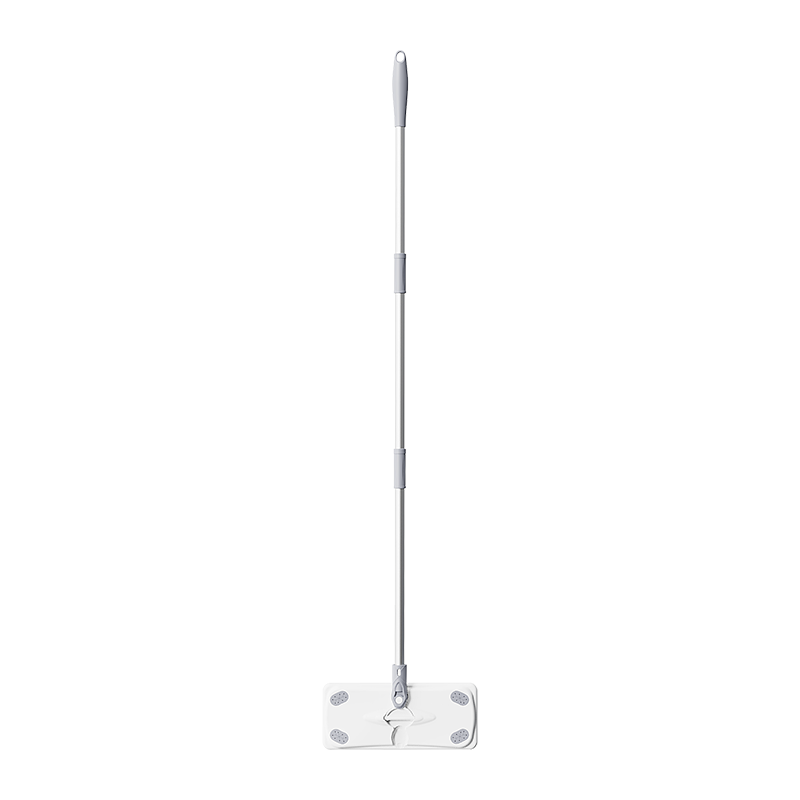
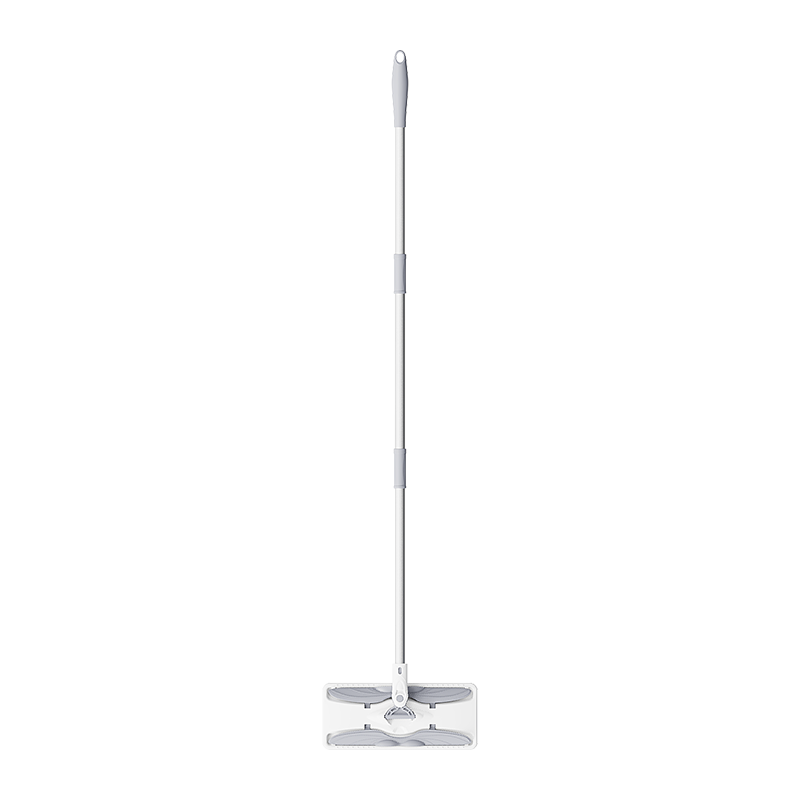
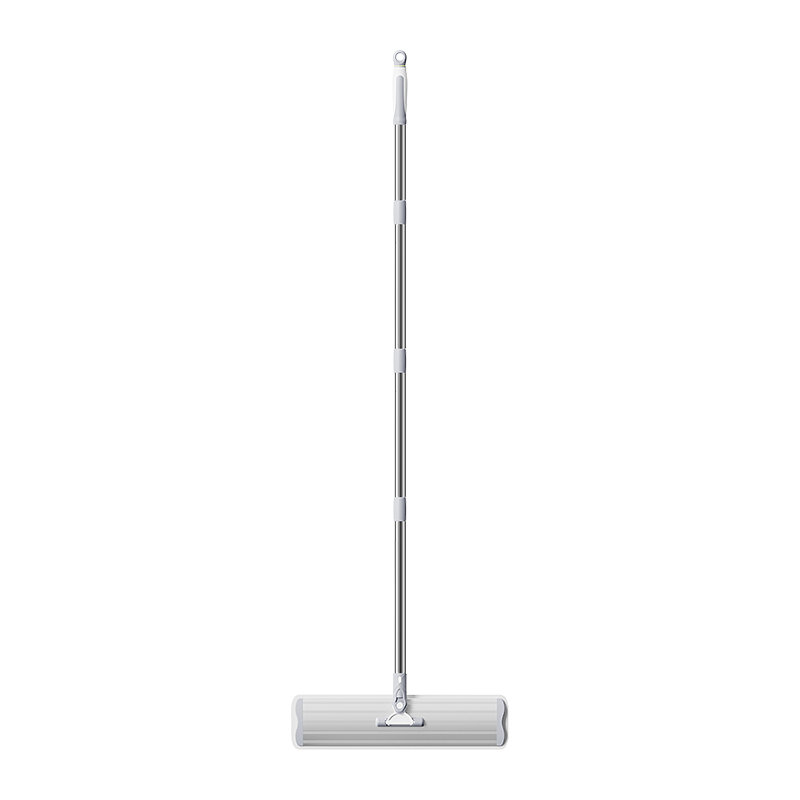
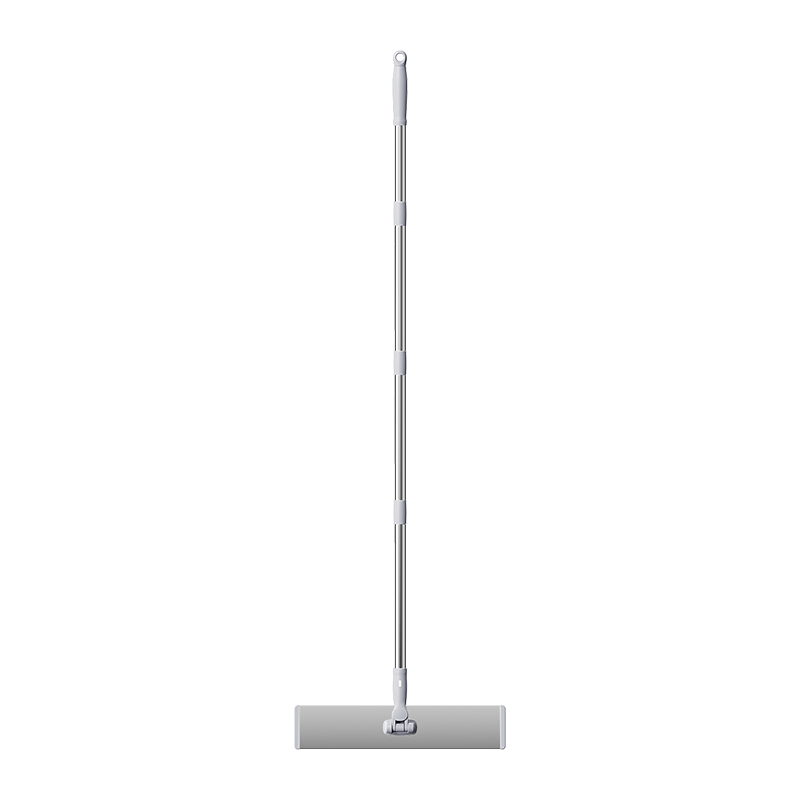
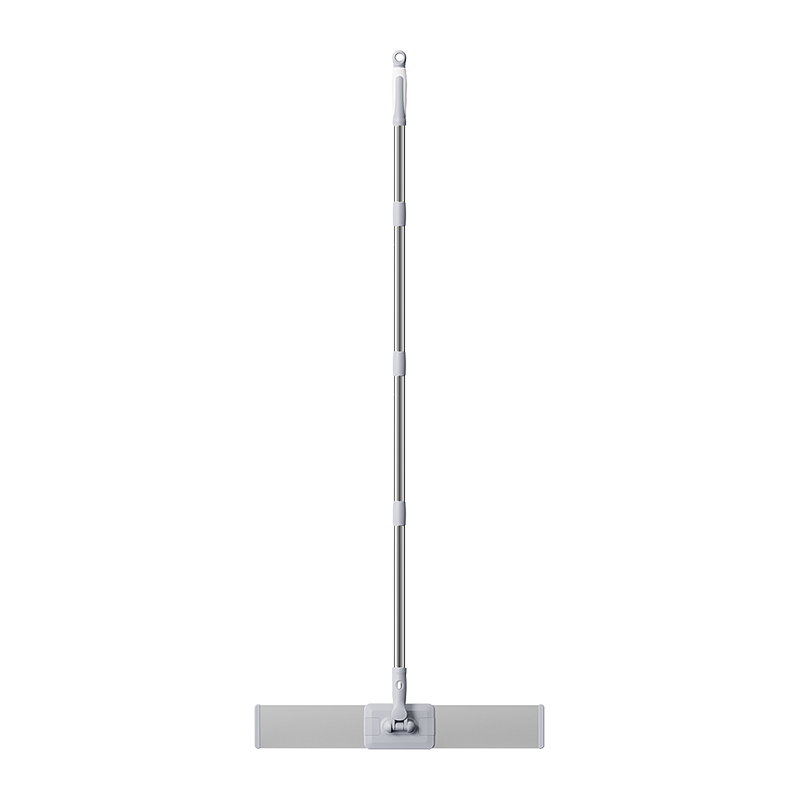
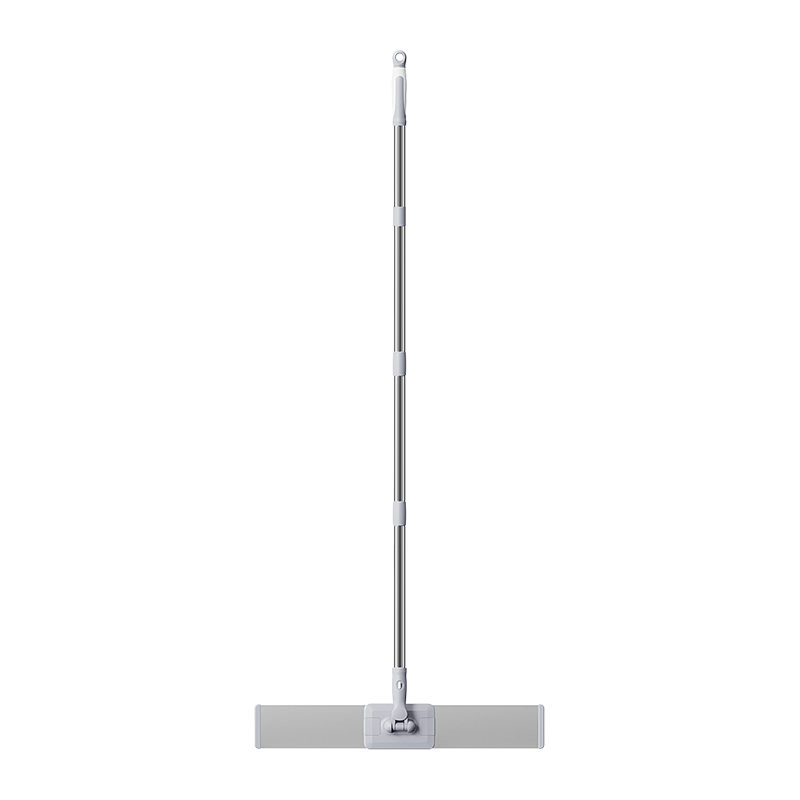
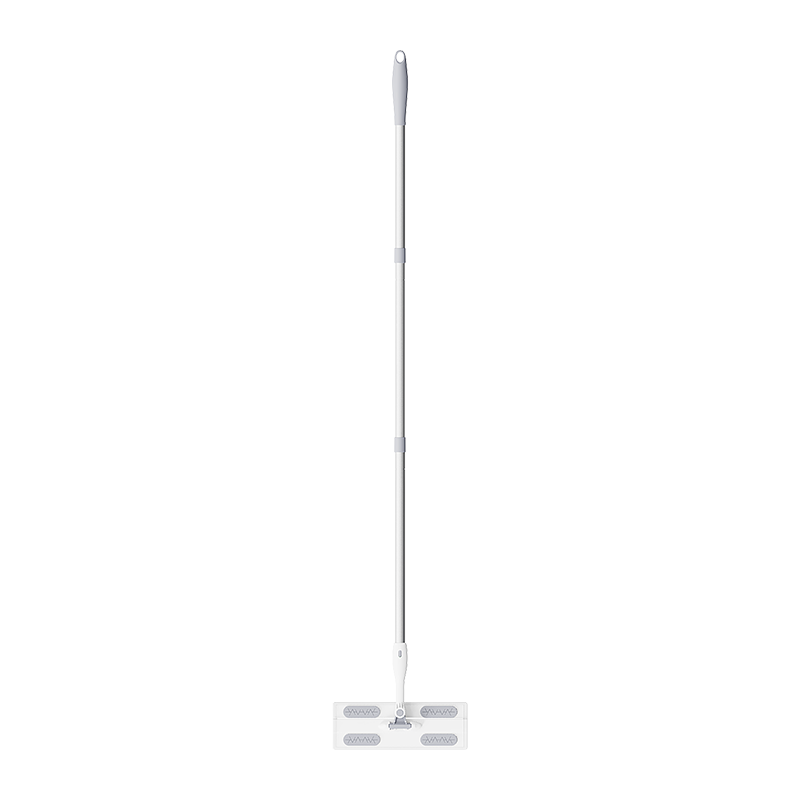
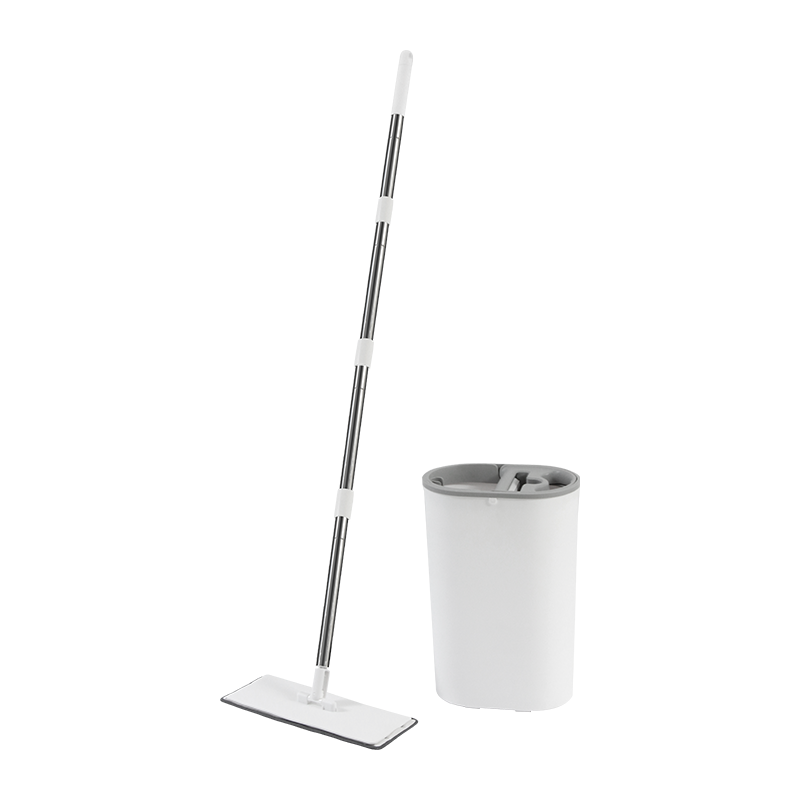
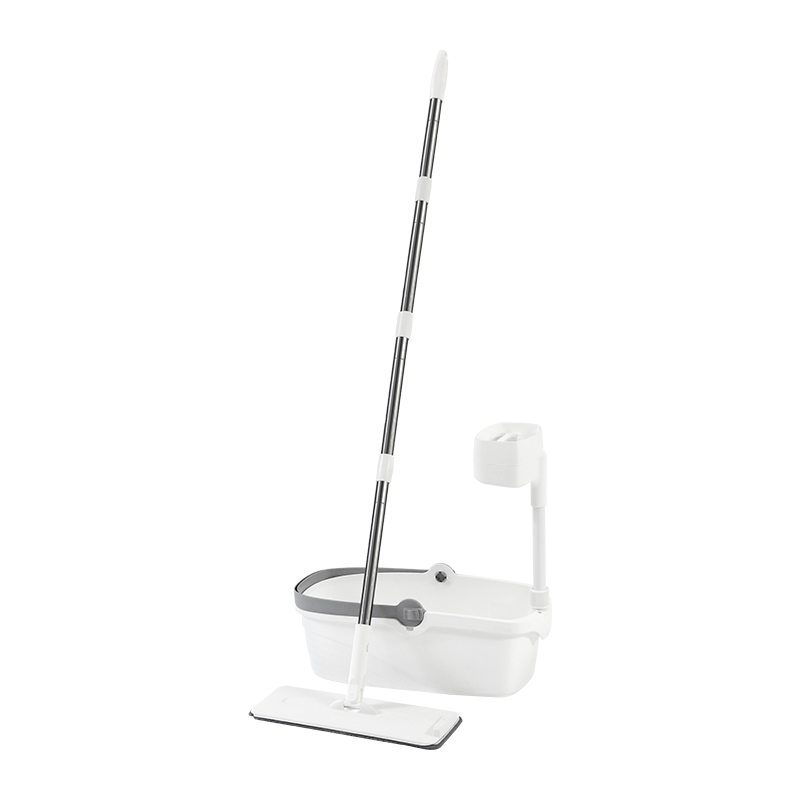
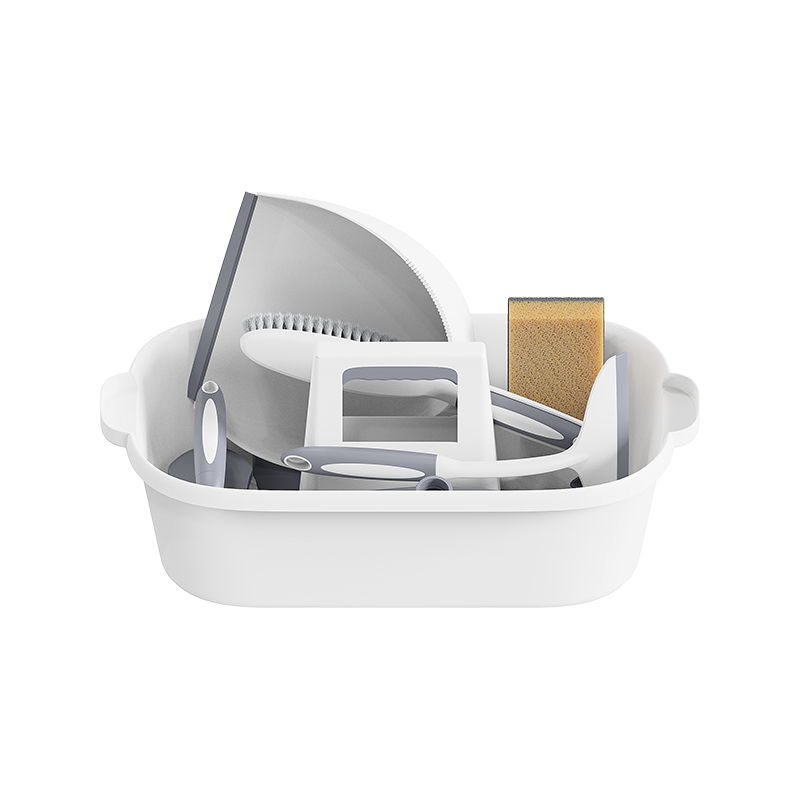
2 in 1 Dry and Wet Mop

Yes — a Dishwashing Brush can effectively remove stubborn oil stains, provided the bristle stiffness, handle design, and cleaning technique are matched to the type of grease and cookware surface. Unlike sponges that absorb and redistribute grease, a brush's firm bristles mechanically agitate and lift oil residue from surfaces, especially when paired with the right dish soap. For baked-on or polymerized grease on pots and pans, a Heavy Duty Dishwashing Brush for Pots with stiff nylon or natural fiber bristles delivers significantly better results than soft foam alternatives. The key is knowing which brush type to use, how to apply it, and how temperature and detergent chemistry work in your favor.
Content
The physics behind grease removal explains why a Dishwashing Brush is structurally better suited for oil stains than a sponge. Grease bonds to cookware surfaces through van der Waals adhesion and, when heated repeatedly, undergoes polymerization — forming a hardened, lacquer-like layer that resists simple wiping. Bristles concentrate mechanical force at many small contact points simultaneously, breaking these bonds more efficiently than a flat foam surface.
Across all grease stain categories, a dishwashing brush consistently outperforms a standard sponge. The gap widens significantly for baked-on and polymerized grease, where brushes achieve 84% and 72% removal rates compared to sponge rates of 52% and 31% respectively — making the brush the clear choice for serious cookware cleaning tasks.
Not every dishwashing brush is designed for the same cleaning intensity. Matching bristle material and brush construction to the grease level prevents surface damage while maximizing cleaning effectiveness.
| Brush Type | Bristle Material | Best For | Safe On |
|---|---|---|---|
| Soft Nylon Brush | Fine nylon fibers | Light grease, glasses, non-stick pans | Non-stick, ceramic, glass |
| Medium Nylon Brush | Standard nylon bristles | Everyday pots, plates, baking sheets | Stainless steel, enamel, plastic |
| Heavy Duty Brush | Stiff nylon or TPR | Baked-on grease, woks, cast iron | Cast iron, carbon steel, stainless |
| Natural Fiber Brush | Tampico / sisal fiber | General pots, eco-conscious cleaning | Most surfaces except delicate coatings |
| Bottle / Detail Brush | Nylon or foam tip | Narrow openings, carafes, travel mugs | Glass, stainless steel, plastic |
A Heavy Duty Dishwashing Brush for Pots is warranted when standard brushes leave visible residue after two or more scrubbing passes. Key indicators include grease that has darkened and hardened around the base or sides of a pan, caramelized sugars combined with fat (common in roasting pans), and the tar-like deposits that form on the exterior base of woks used over high heat. These brushes feature tightly packed, high-density bristle clusters with stiff TPR or reinforced nylon fibers rated for scrubbing forces up to 3–5 lbs of applied pressure without splaying or collapsing.
Even the best dishwashing brush underperforms when technique is poor. The following method maximizes oil removal efficiency while protecting cookware surfaces:
Water temperature is one of the most underutilized variables in dishwashing. Hot water reduces the viscosity of cooking oils significantly — making them far easier for bristles and surfactants to mechanically lift and emulsify.
At 20°C (cold tap water), common cooking oils have a viscosity of approximately 84 mPa·s and grease removal efficiency with a brush sits around 48%. At 65°C (very hot tap water), viscosity drops to 19 mPa·s — a reduction of over 77% — and brush cleaning efficiency rises to 90%. This demonstrates that water temperature alone, without changing brush or soap, can nearly double cleaning performance on oily cookware.
Growing consumer awareness around plastic waste has driven significant development in the Eco Friendly Dishwashing Brush category. The concern is whether natural-material brushes can match the grease-cutting performance of conventional nylon options — and for most everyday to moderate grease levels, they can.
A dishwashing brush that is not properly maintained loses cleaning effectiveness and becomes a source of contamination. These practices keep brushes performing at their best:
Answer two quick questions below to get a personalized brush recommendation based on your cookware type and typical grease level:
Understanding where a Dishwashing Brush fits among other common kitchen cleaning tools helps households and commercial kitchens allocate the right tool for each task.
| Tool | Grease Removal | Surface Safety | Hygiene | Longevity |
|---|---|---|---|---|
| Dishwashing Brush | High | Good (select by bristle) | Excellent | 4–8 weeks |
| Standard Sponge | Moderate | Good | Poor (bacteria trap) | 1–2 weeks |
| Steel Wool Pad | Very High | Poor (scratches) | Moderate | 2–5 uses |
| Silicone Scrubber | Low–Moderate | Excellent | Very Good | 6–12 months |
| Dishcloth / Rag | Low | Excellent | Poor unless laundered daily | Varies |
Yes, but only with a soft-bristle brush. Fine nylon or tampico-fiber brushes clean non-stick surfaces effectively without scratching the coating. Avoid stiff or heavy-duty brushes on PTFE or ceramic non-stick, as firm bristles under pressure can cause micro-abrasion that degrades the non-stick layer over time.
For households doing dishes daily, replace the brush every 4–8 weeks or when bristles no longer spring back to their original upright position. Permanently splayed bristles have significantly reduced contact area and cleaning force. Brushes with replaceable heads allow the handle to be retained indefinitely, reducing replacement costs and material waste.
For light to moderate grease, yes. Natural-fiber brushes with tampico or sisal bristles perform comparably to medium nylon in controlled tests. For very heavy or polymerized grease, stiff nylon or TPR bristles in a heavy-duty brush still have an edge due to their superior stiffness and moisture resistance. Bio-based nylon bristles (PA11) perform essentially identically to conventional nylon and are the best all-around eco-friendly option for demanding cleaning tasks.
Fill the pot with hot water and let it soak for 10–15 minutes to soften the deposit. Then apply a paste of equal parts baking soda and dish soap to the affected area. Scrub with a heavy-duty brush using steady circular pressure for 60–90 seconds, then rinse and inspect. Repeat if necessary. For extremely hardened deposits, a brief simmer with water and a few drops of dish soap on the stovetop — followed by brushing while still warm — is highly effective.
Many nylon and synthetic brushes are dishwasher-safe and can be sanitized in the utensil basket on a hot cycle. Check the manufacturer's label before doing so — natural fiber brushes such as those with sisal or tampico bristles may degrade faster with repeated high-temperature dishwasher cycles and are better sanitized with a vinegar soak. Always allow the brush to fully air-dry after any sanitization method before storing.
From concept to production, we can create the products you want.
 Contact InformationQuick Link
Scan Code
Business partner
Contact InformationQuick Link
Scan Code
Business partner











Copyright Ningbo Ivy Daily Commodity Co., Ltd. All Rights
Reserved.
China Cleaning Brushes Manufacturer
Brushing Cleaning Supplier

