

 中文简体
中文简体 English
 Español
 Français
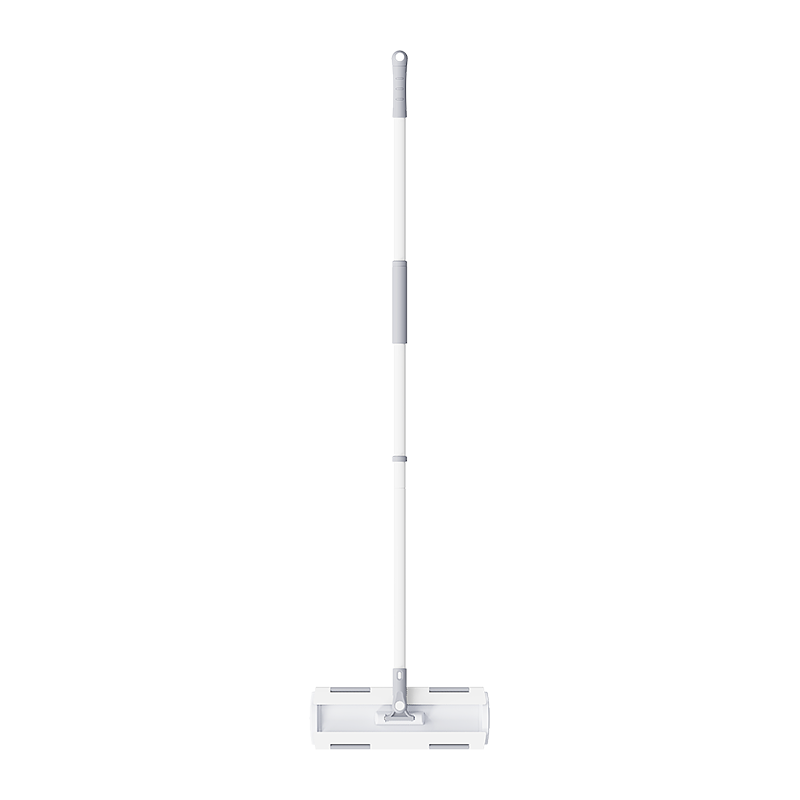
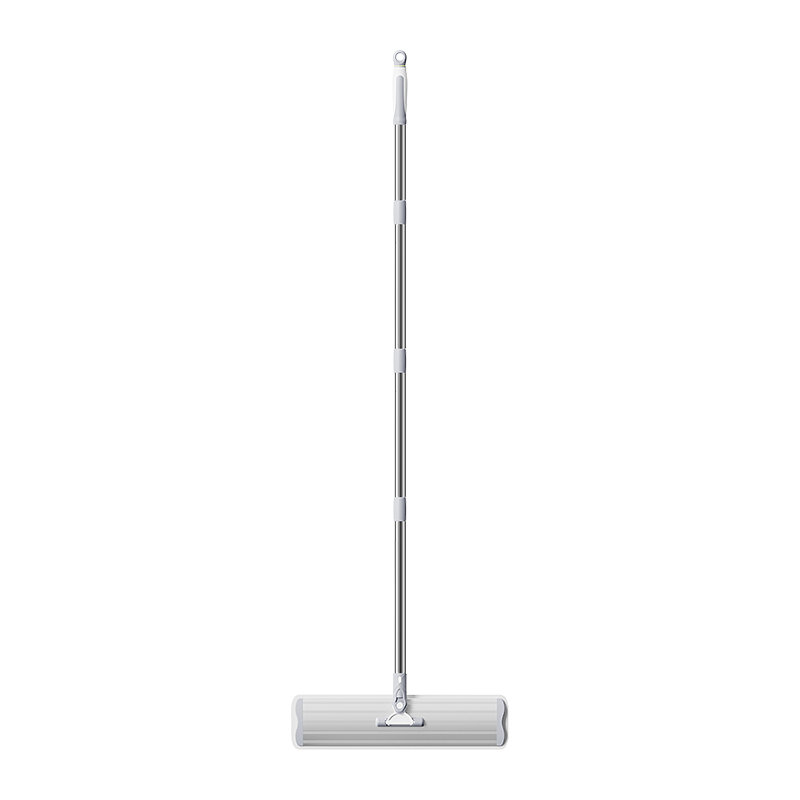
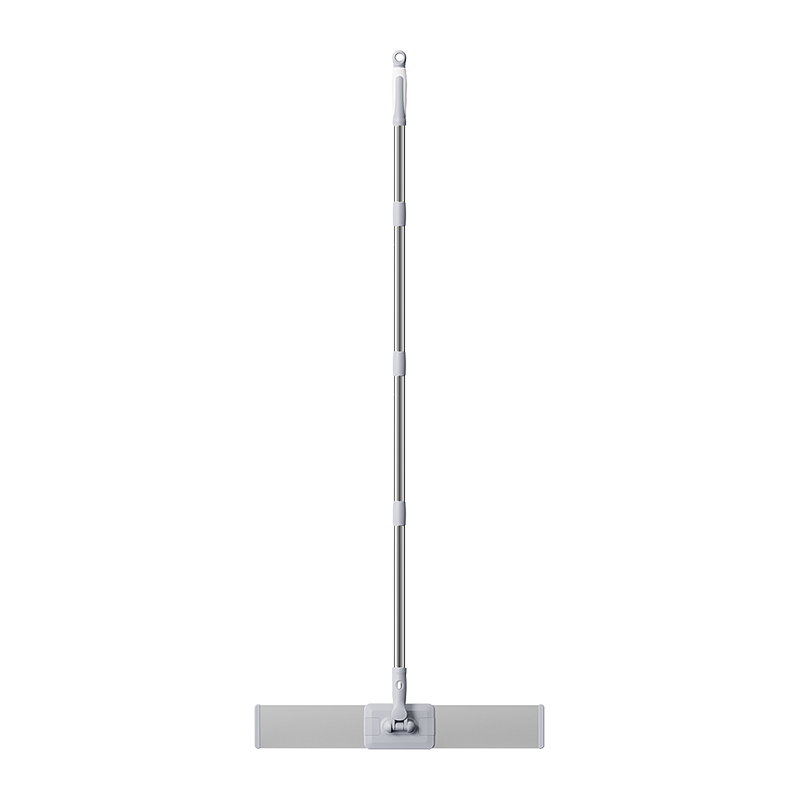
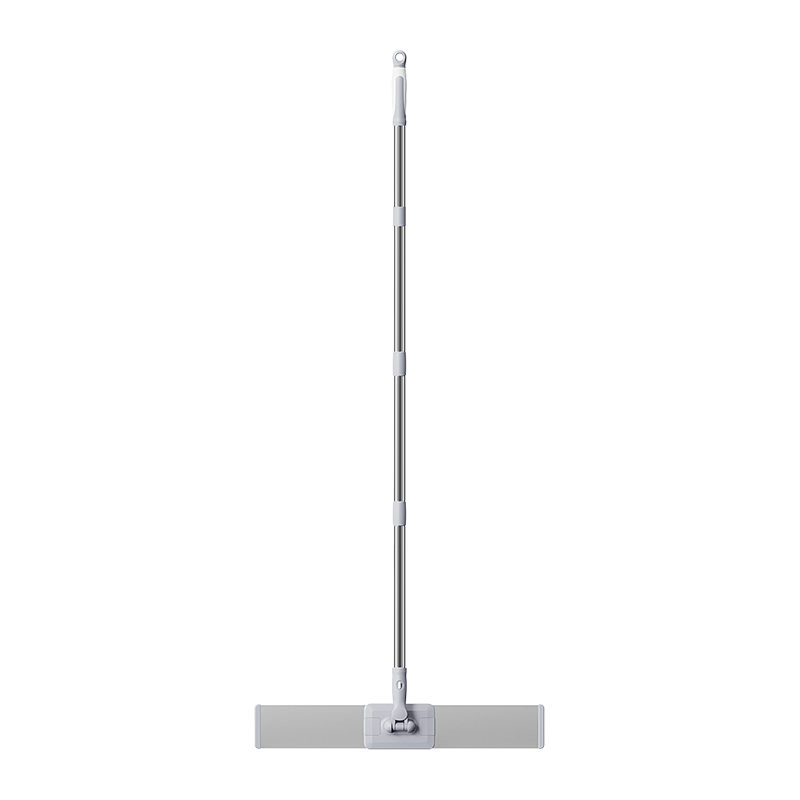
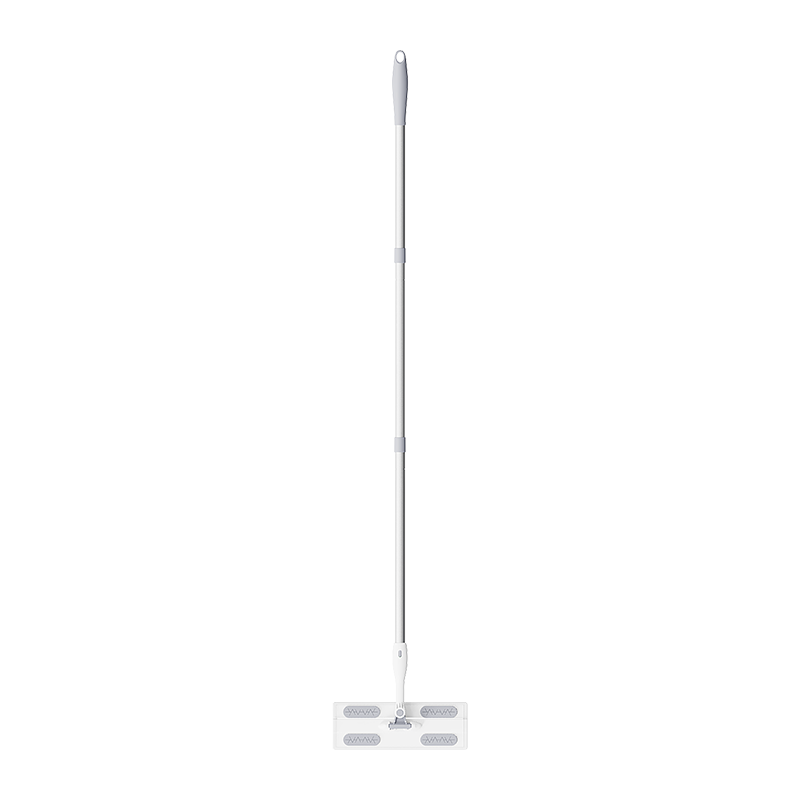
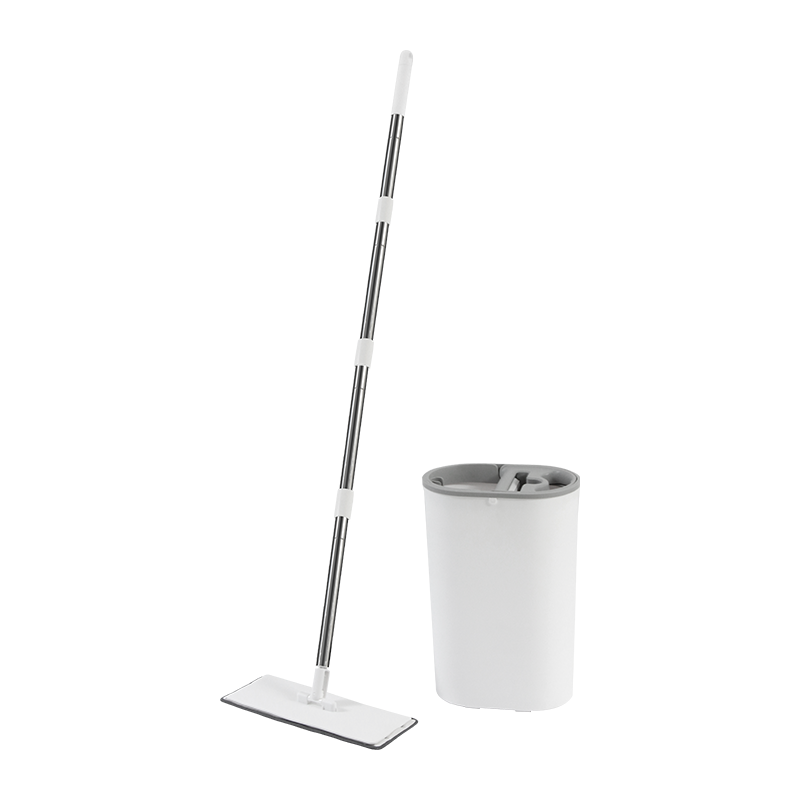
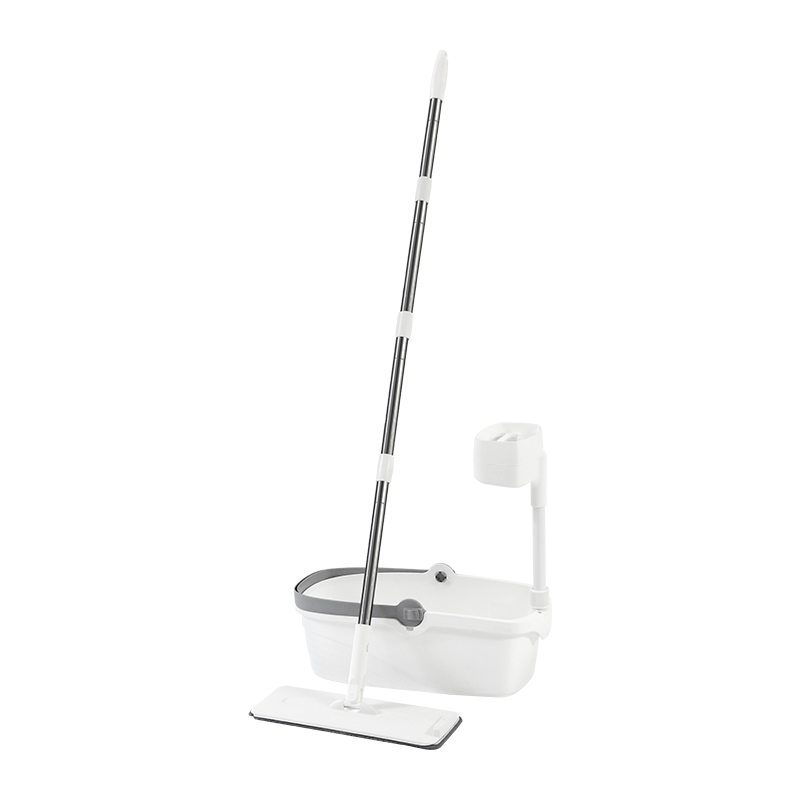
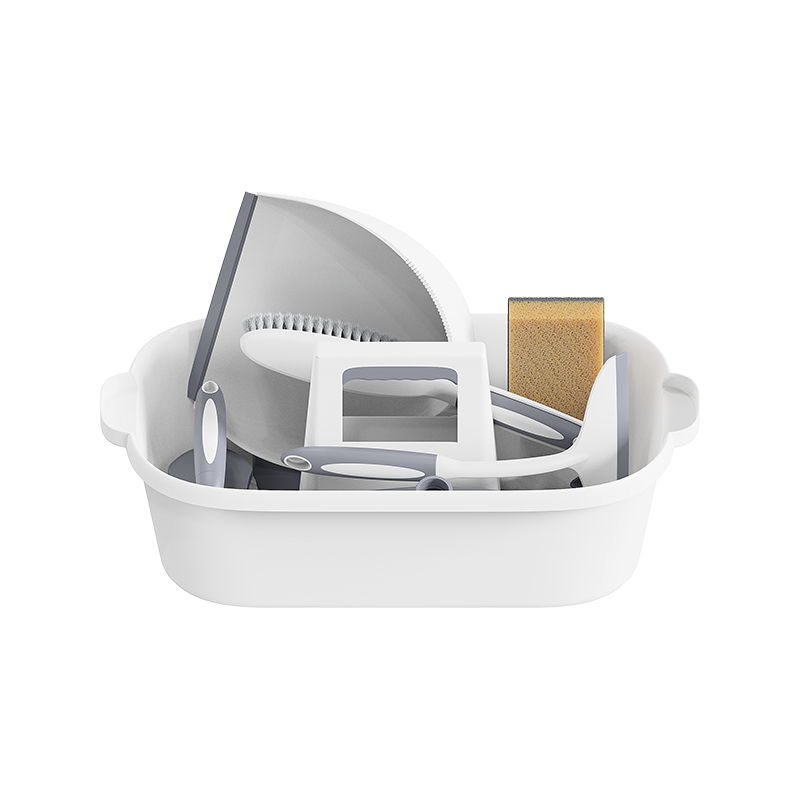
2 in 1 Dry and Wet Mop

Brooms and dustpans are essential cleaning tools in every household. Seemingly simple, they handle the majority of daily cleaning tasks. Many people find that some brooms and dustpans remain usable for years, while others deform, shed bristles, and loosen after only a few months. So, how long can brooms and dustpans actually last? What factors determine their lifespan?
1. Material is the core factor determining lifespan
The material of a broom and dustpan directly determines its durability.
(1) Broom material:
PVC, PET, and other synthetic fiber bristles: good wear resistance and strong elasticity, usually lasting 1-2 years or more;
Natural grass or palm fiber brooms: environmentally friendly and lightweight, but less wear-resistant, with a lifespan generally between six months and one year;
High-density soft bristle brooms: suitable for indoor use, with a relatively longer lifespan, but not suitable for rough surfaces.
(2) Dustpan Material:
PP plastic dustpan: lightweight but prone to aging and deformation, generally lasting about 1 year;
ABS thickened dustpan: high hardness, not easily deformed, lifespan can reach 2-3 years;
Metal dustpan: sturdy and durable, strong impact resistance, can be used for a longer time, but is heavier.
Therefore, the better and more wear-resistant the material, the longer the service life of the broom dustpan.
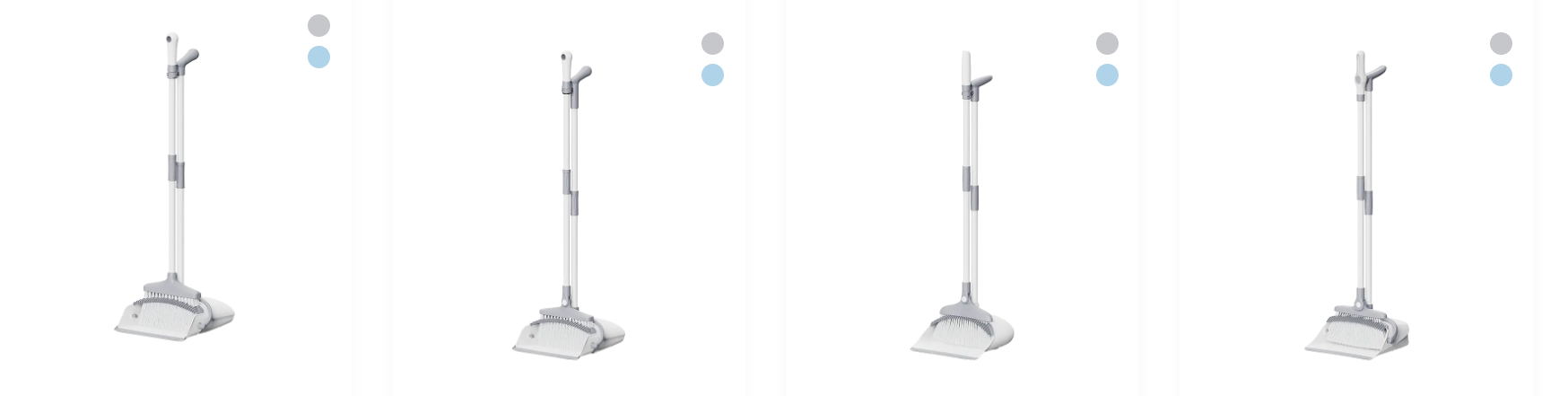
2. Manufacturing Process Determines Durability
Besides the material, the quality of the manufacturing process also affects the lifespan.
(1) Broom Manufacturing Process:
Whether the bristles are tightly bound and whether they shed easily;
Whether the connection between the broom head and the handle is firm;
Whether the bristles are cut evenly, affecting the sweeping effect and the probability of shedding.
(2) Dustpan Manufacturing Process:
Whether the dustpan opening fits the ground precisely;
Whether there are reinforcing ribs to improve resistance to pressure and trampling;
Whether the connection between the handle and the bucket is secure.
High-quality manufacturing can significantly extend the service life, while rough manufacturing can lead to problems such as loosening, cracking, and detachment in a short period of time.
3. Environmental Factors Affect Wear Rate
The lifespan of brooms and dustpans varies significantly depending on the environment.
Rough surfaces (such as cement floors or large tile grout lines) accelerate broom bristle wear, causing them to shorten and bend quickly.
Outdoor environments expose dustpans to sunlight and rain, making them more prone to aging.
Oil stains or damp environments can cause bristles to clump together, making the dustpan slippery or corroding. High-frequency commercial environments result in a much shorter lifespan than ordinary household environments.
Generally, brooms and dustpans used in clean, flat, indoor environments and stored away from light have a significantly longer lifespan.
4. Cleaning Methods Determine if Brooms and Dustpans "Shorten with Use"
Many people clean their brooms and dustpans improperly, leading to a significantly shorter lifespan.
For example: Vigorously beating the broom: loosens the bristle roots and increases shedding; rinsing the broom bristles with boiling water: softens and deforms some plastic materials; Exposing the dustpan to direct sunlight with trash for extended periods: accelerates plastic oxidation; Not drying the dustpan promptly after washing: a damp environment promotes mold growth and accelerates aging.
The correct cleaning method is to gently rinse with clean water, allow it to air dry, and regularly remove small debris stuck between the broom bristles.
5. Maintenance habits have a significant impact on lifespan
Good maintenance habits not only extend the tool's lifespan but also maintain consistent performance.
Avoid heavy pressure and compression: broom bristles are easily deformed and dustpans are easily broken;
Hang them up promptly after use: prevent broom bristles from bending under stress;
Do not store them in damp corners for extended periods: avoid mold and corrosion;
Regularly check connecting parts: tighten or replace them promptly if loose.
Many brooms and dustpans don't last long not because of poor quality, but because of a lack of proper usage habits.
The lifespan of a broom and dustpan is not fixed but determined by a variety of factors.
To make them more durable, the key is: choosing good materials and craftsmanship; using them in suitable environments; proper cleaning and maintenance; and avoiding rough handling.
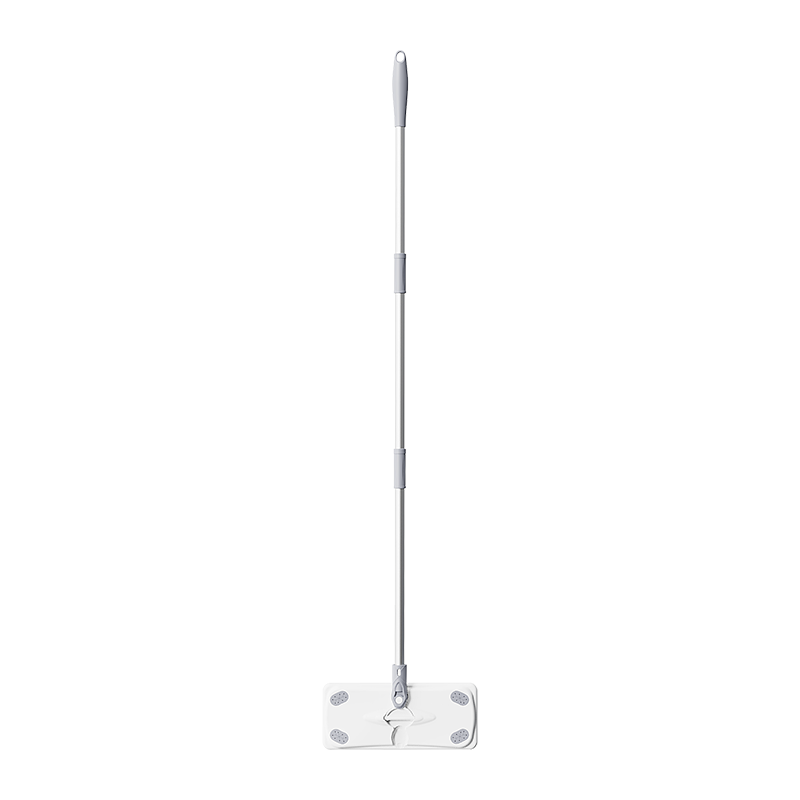
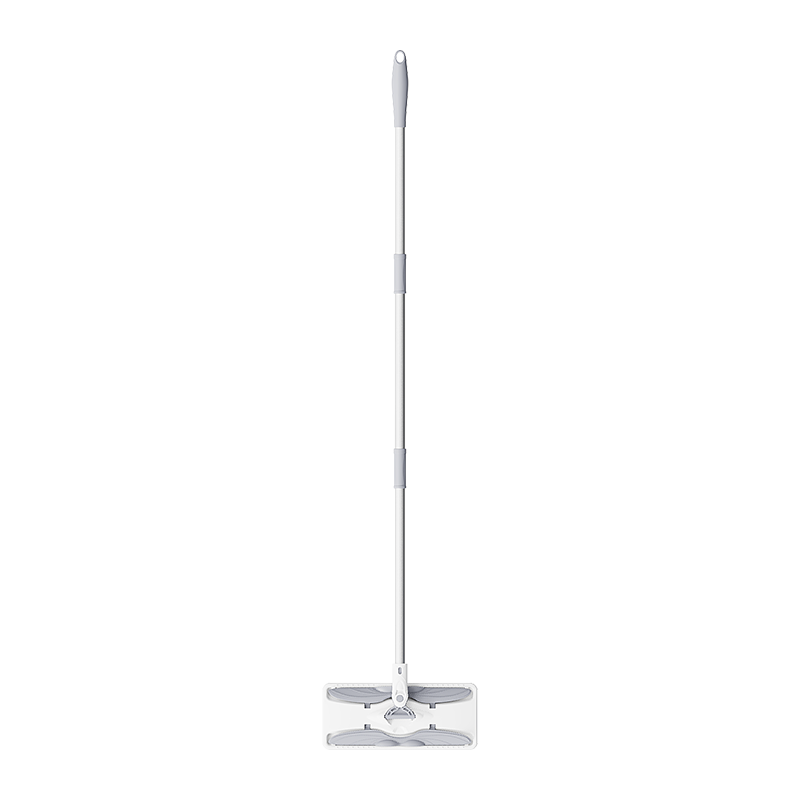
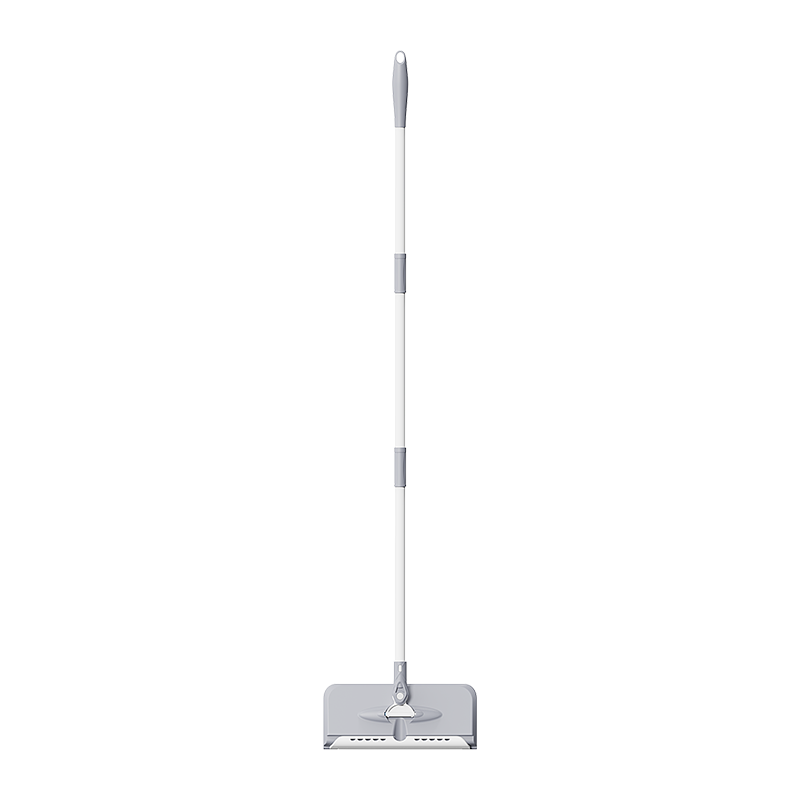

From concept to production, we can create the products you want.
 Contact InformationQuick Link
Scan Code
Business partner
Contact InformationQuick Link
Scan Code
Business partner











Copyright Ningbo Ivy Daily Commodity Co., Ltd. All Rights
Reserved.
China Cleaning Brushes Manufacturer
Brushing Cleaning Supplier

