

 中文简体
中文简体 English
 Español
 Français
2 in 1 Dry and Wet Mop

Extending the lifespan of your flat mop isn't difficult; the key lies in proper use and meticulous maintenance. Following these methods will help your mop last for years longer.
Content
Washing the Mop: Gentle Pressing, Avoiding Force
Incorrect: Frantically and forcefully scraping the mop board back and forth in the mop bucket.
Correct: Place the mop board in the washing tub and press down several times with even, downward pressure, using the water flow to wash away dirt. For stubborn stains, remove the mop cover and wash manually.
Squeezing Out Water: Moderate Pressure
Incorrect: Pressing down the lever with all your might to squeeze out as much water as possible, even hearing the mop handle "crack."
Correct: Press down the wringer lever with even, moderate pressure; stop when you feel noticeable resistance. Excessive force will damage the wringing mechanism and may even cause the mop handle to deform or break at the joints.
Mopping Techniques: Primarily use a flat, sweeping motion to minimize bumps and knocks.
Incorrect: Using the edge of the mop to forcefully bump against wall corners and furniture legs.
Correct: Move the mop head flat against the floor as much as possible. When cleaning corners, use the side of the mop head, but be gentle.
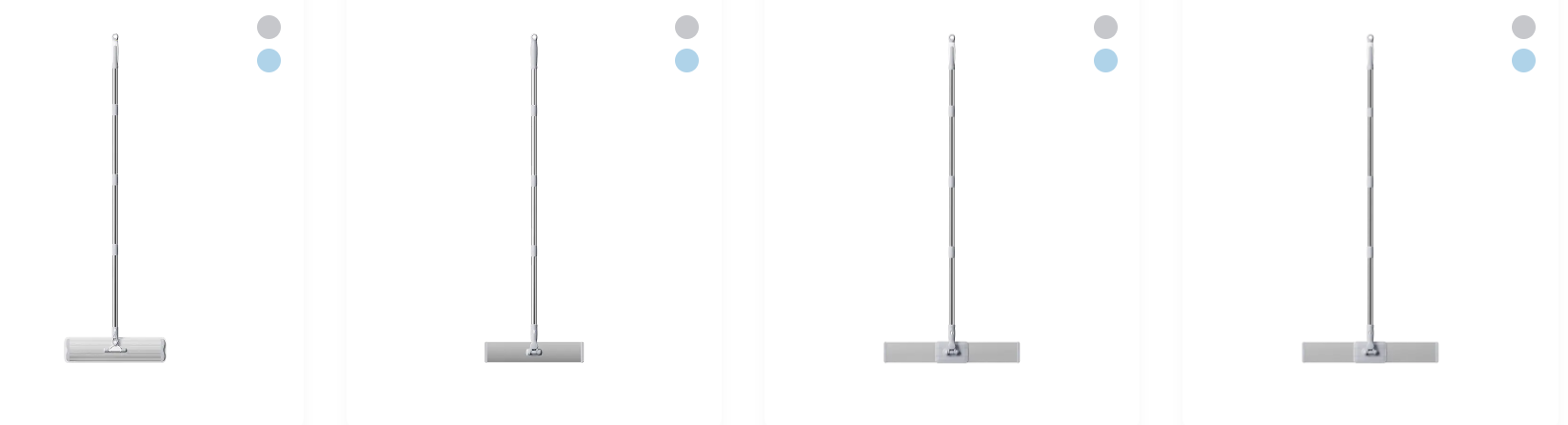
Timely and Thorough Cleaning
After each mopping session, wash the mop cover immediately. Do not allow dirt (especially kitchen grease) to dry, as this will corrode the fibers and make it more difficult to clean.
Deep Cleaning of the Cover
Regularly (e.g., once a month), soak the mop cover in warm water with disinfectant or baking soda for 15-30 minutes, then thoroughly wash it. This effectively kills bacteria and restores the cleanliness and softness of the cover.
Completely Air Dry!
This is the most important step. After washing, be sure to remove the cover from the mop head and air dry it separately.
Cover: Lay it out in a well-ventilated area, avoiding direct sunlight (direct sunlight will accelerate fiber aging). Mop Board: Stand it upright in a well-ventilated and dry place, ensuring the metal parts (if metal) and the board itself are completely dry.
Absolutely Do Not
Stuff a wet mop, along with its cover, into a damp corner; this is a major cause of mold and odor.
Check Connectors
Regularly check the rotating shaft or clips connecting the mop board and mop handle for looseness. If loose, try tightening the screws or replacing the part according to your model.
Protect the Mop Board
Avoid using a flat mop to clean sharp, hard objects (such as broken glass or thumbtacks) to avoid scratching the board surface.
If the board is removable, wipe the surface with a damp cloth regularly to prevent dirt buildup from affecting its use.
Cover Replacement
Replace the cover promptly when it becomes severely worn, thin, has holes, or loses its elasticity. Continuing to use an old cover will reduce cleaning efficiency and may cause wear and tear on the floor.
Metal Plate (Stainless Steel): Focus on moisture protection. Although stainless steel is rust-resistant, connectors may still rust in long-term humid environments.
Plastic Plate: Focus on protection from direct sunlight and high temperatures. Keep away from heaters and fire sources to prevent deformation.
Polymer Fiber Optic Sponge: Similar principle, but more care is needed to squeeze out excess water and hang to dry to prevent the bottom from rotting due to prolonged water immersion.
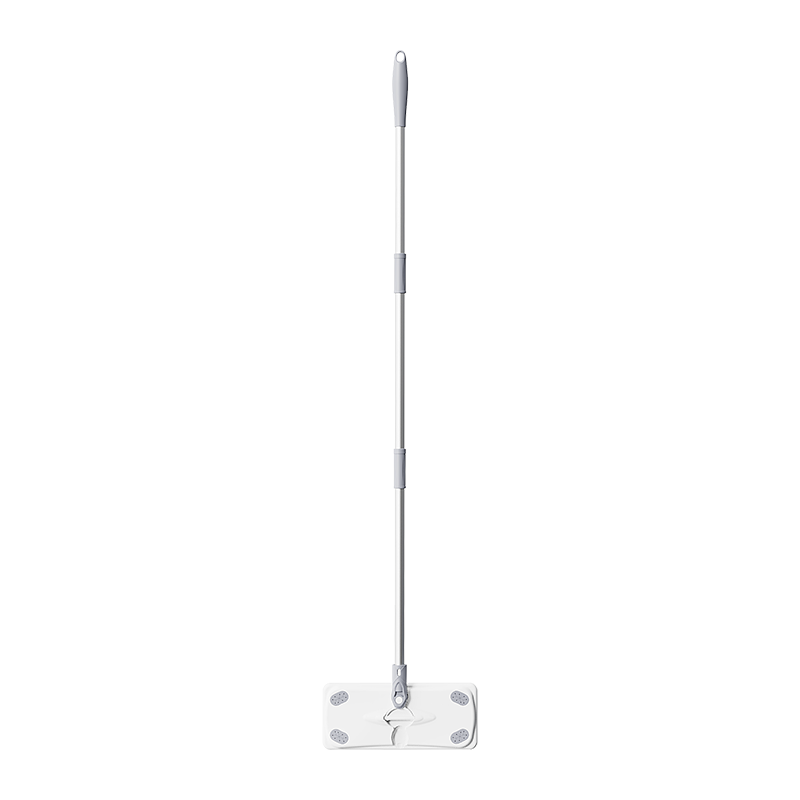
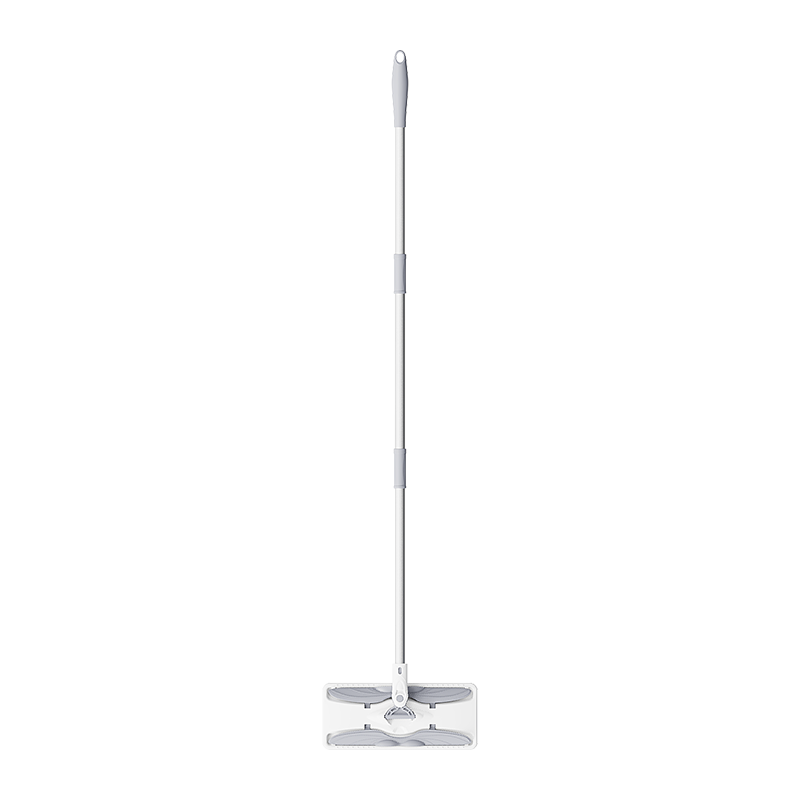
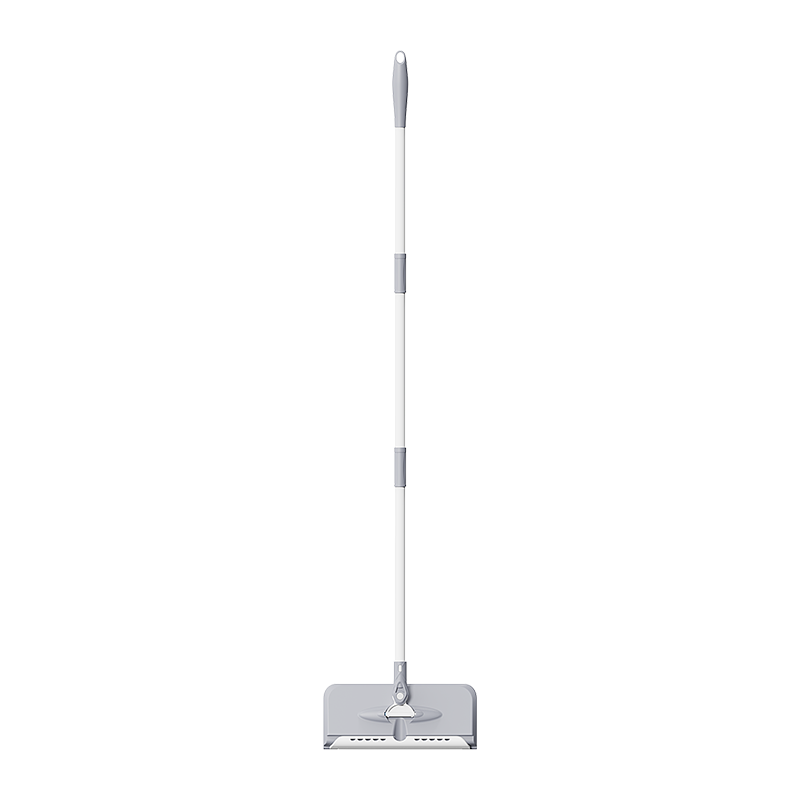
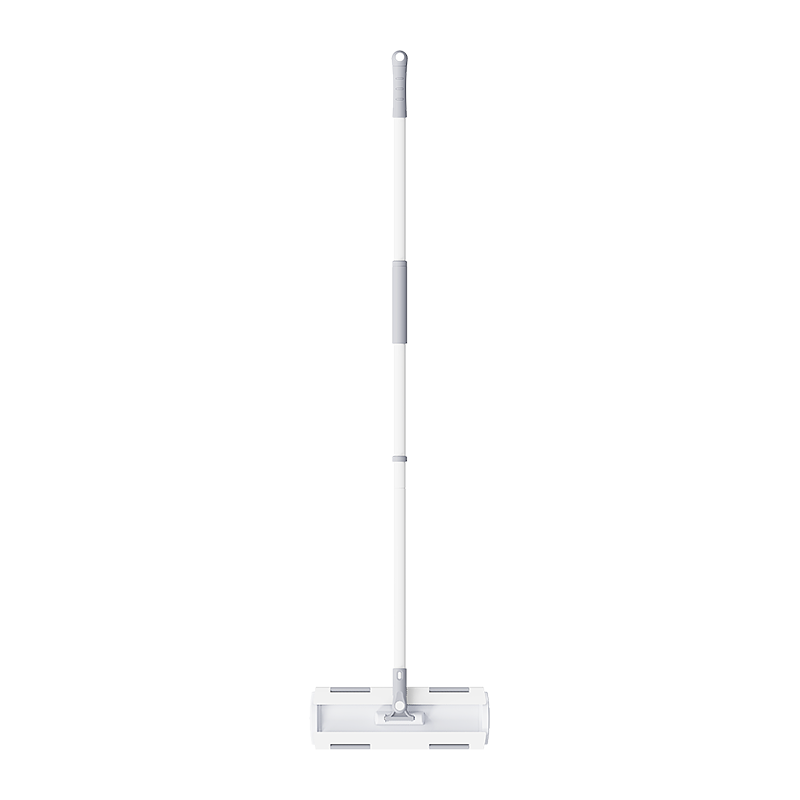
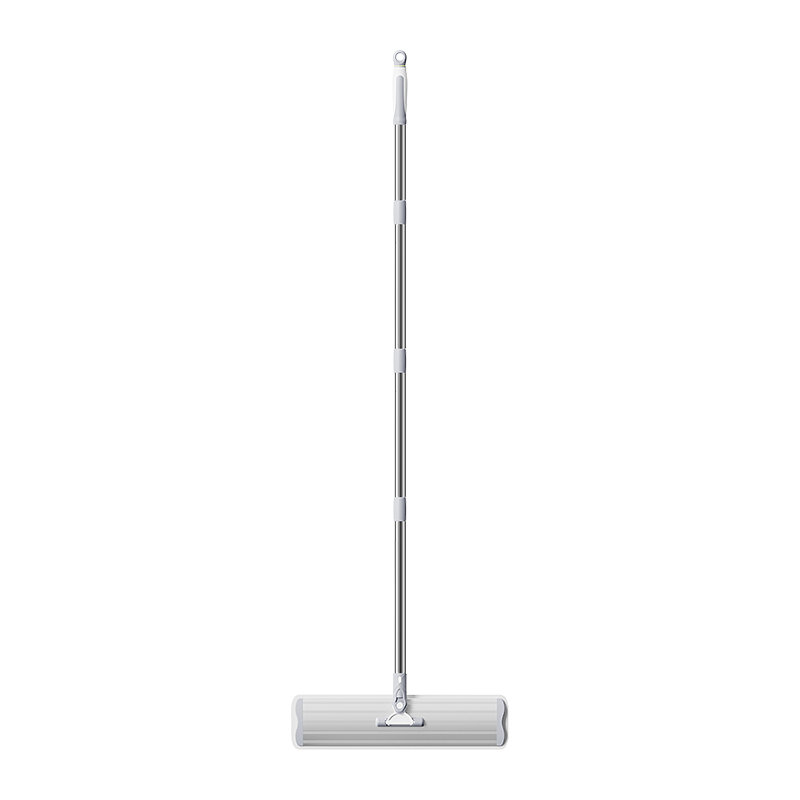
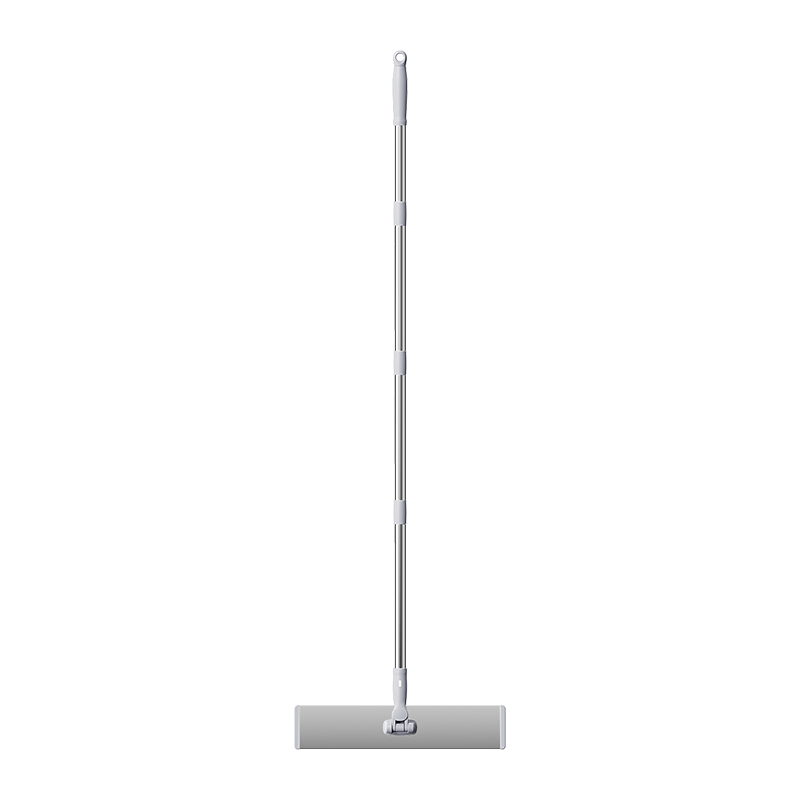
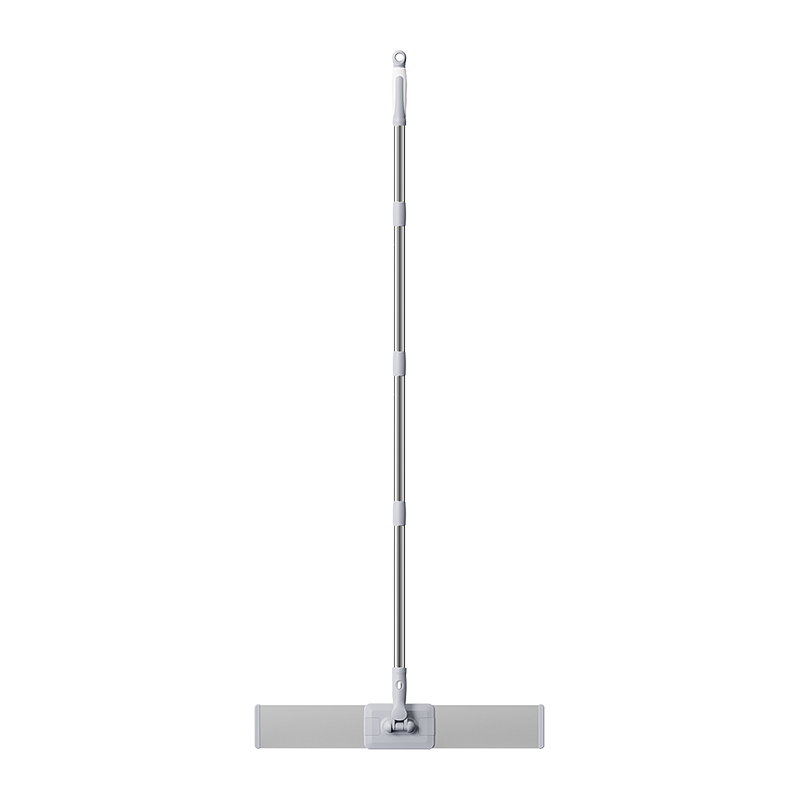
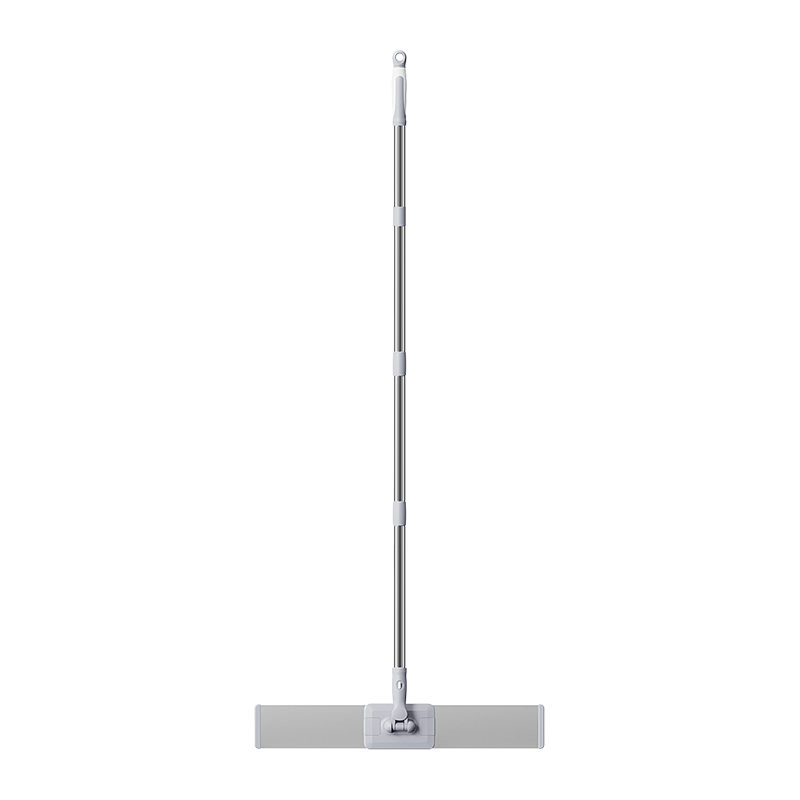
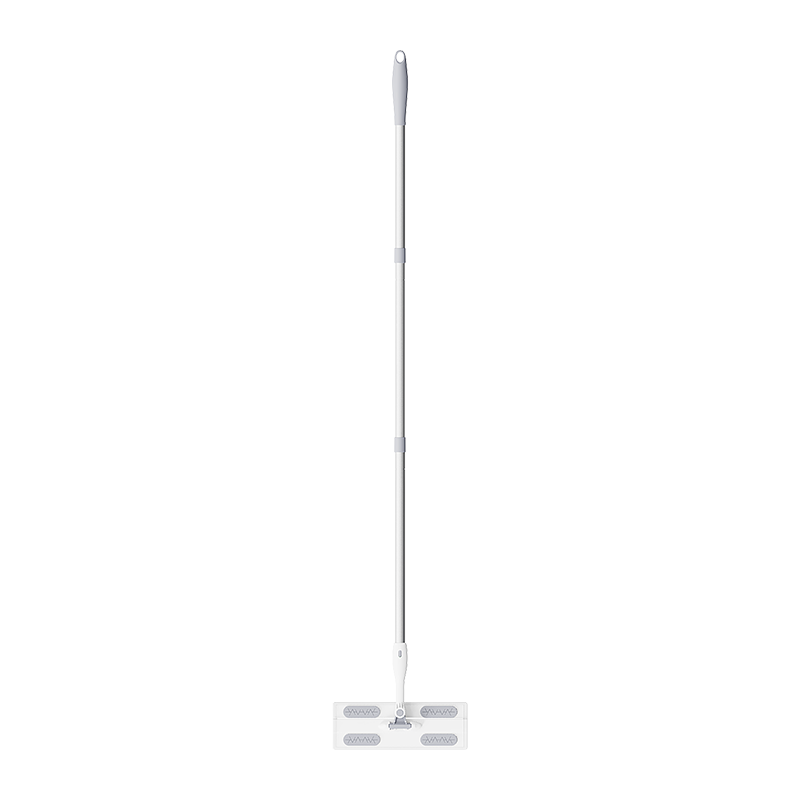
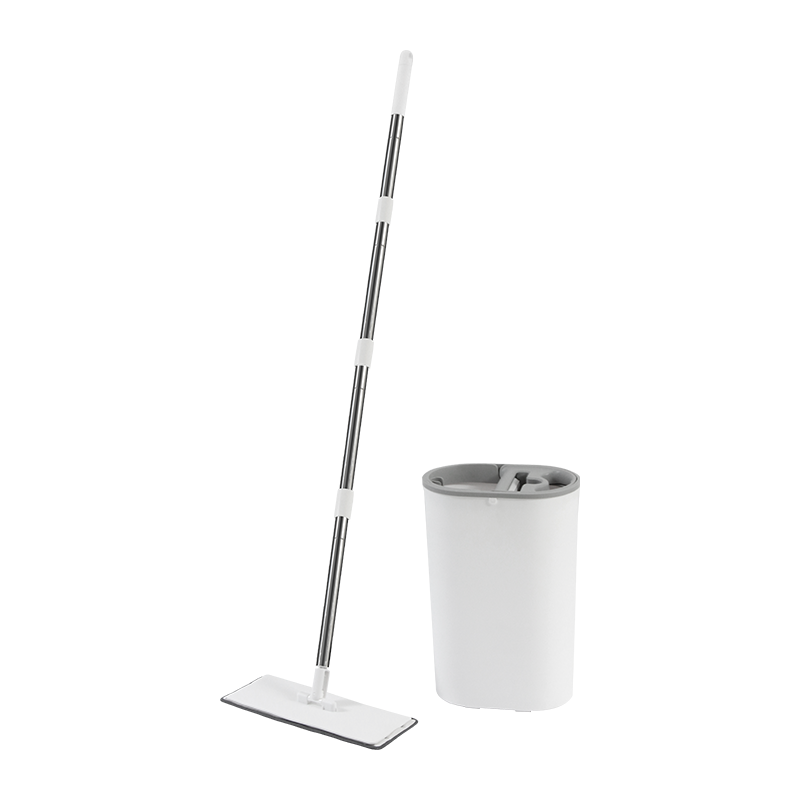
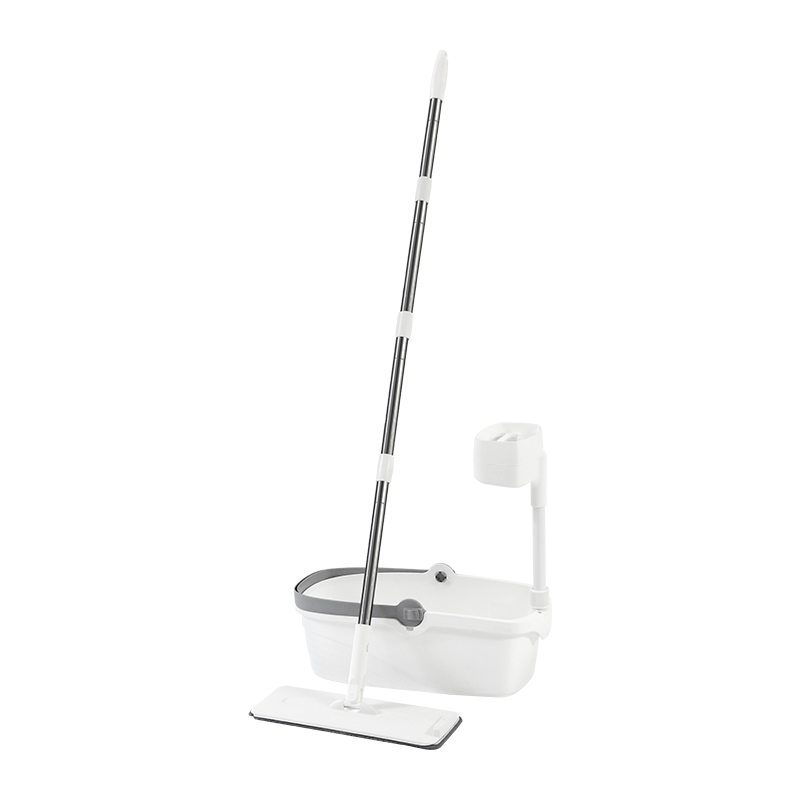
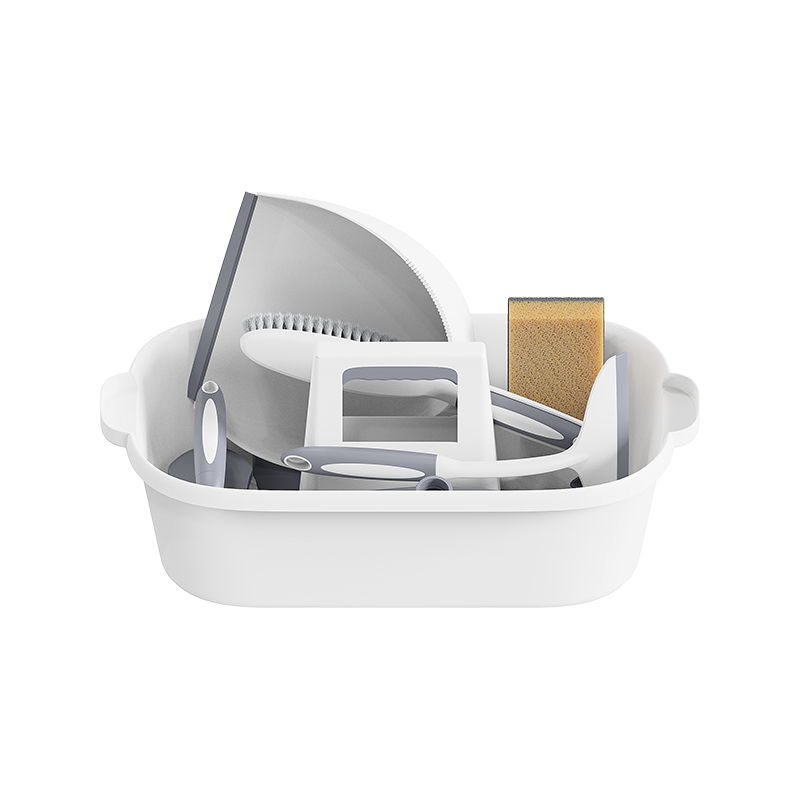
From concept to production, we can create the products you want.
 Contact InformationQuick Link
Scan Code
Business partner
Contact InformationQuick Link
Scan Code
Business partner











Copyright Ningbo Ivy Daily Commodity Co., Ltd. All Rights
Reserved.
China Cleaning Brushes Manufacturer
Brushing Cleaning Supplier

