

 中文简体
中文简体 English
 Español
 Français
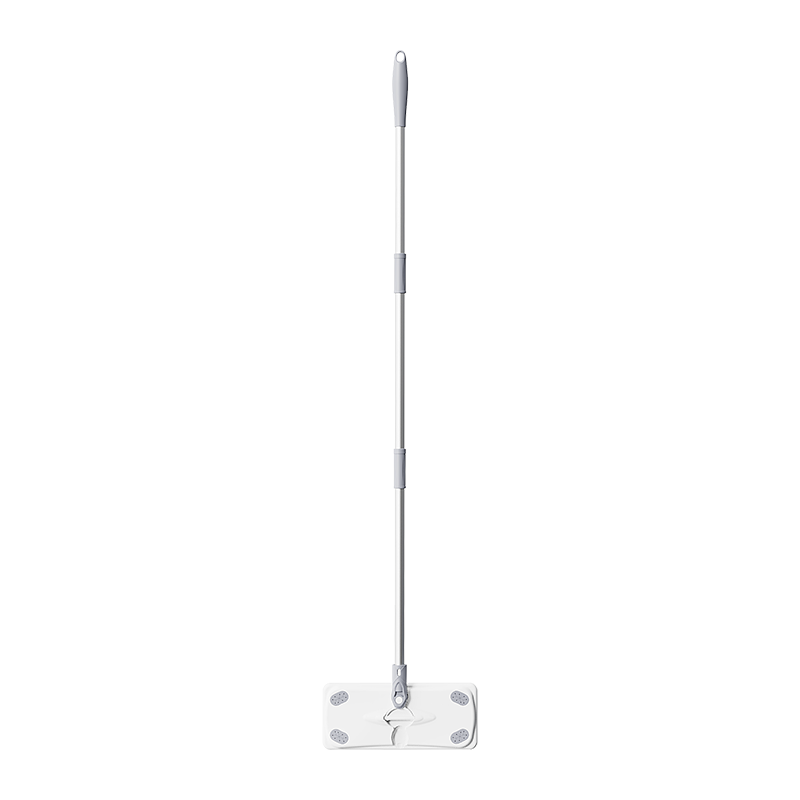
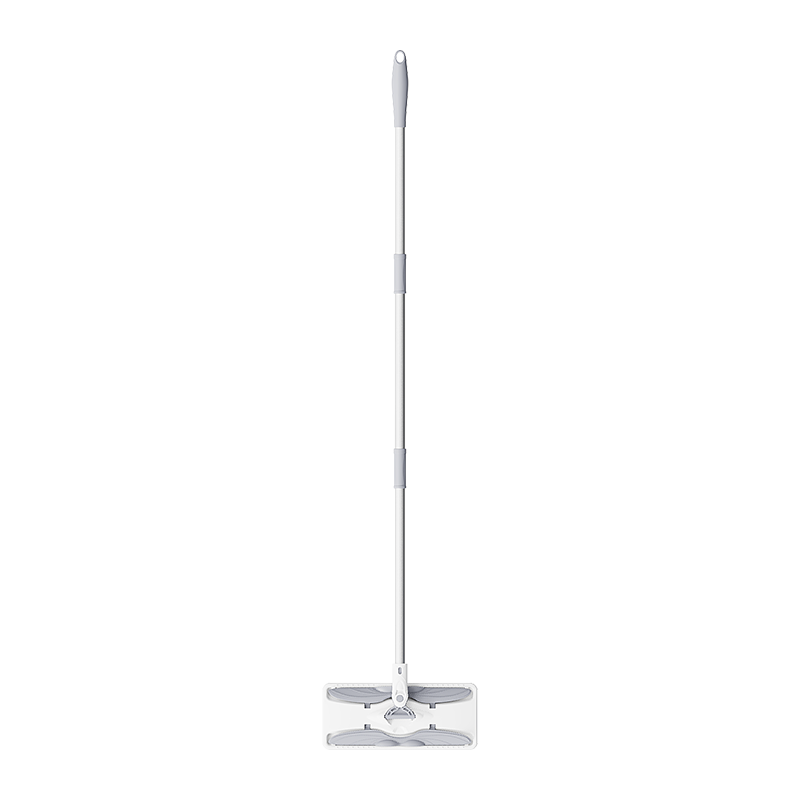
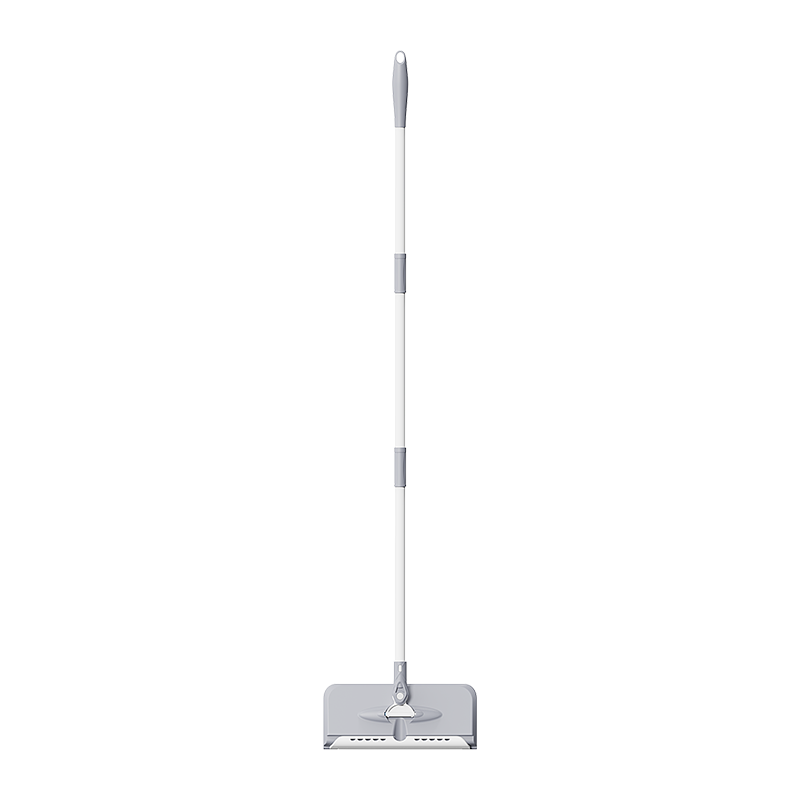
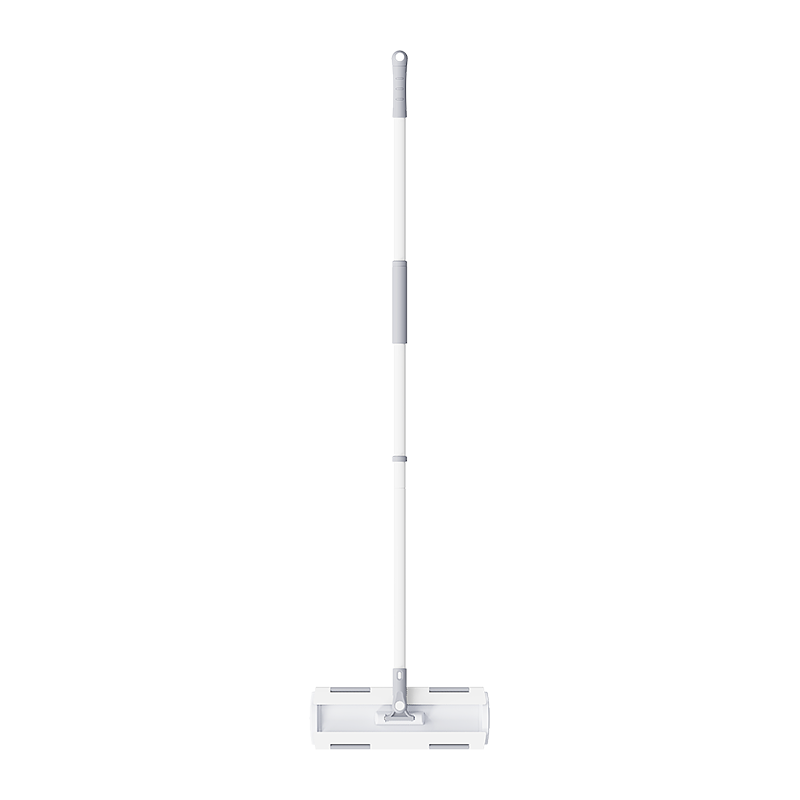
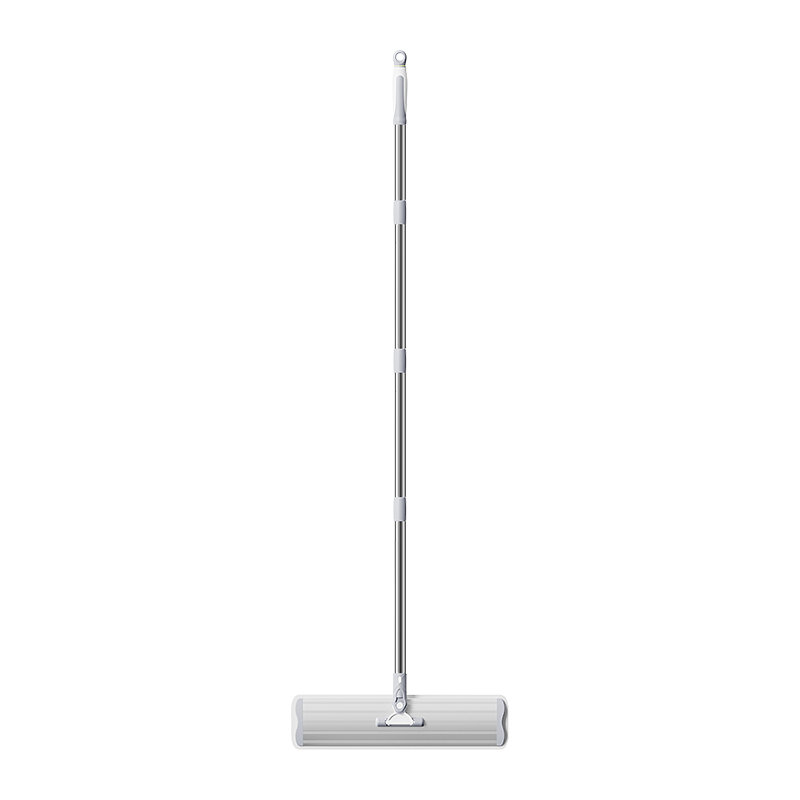
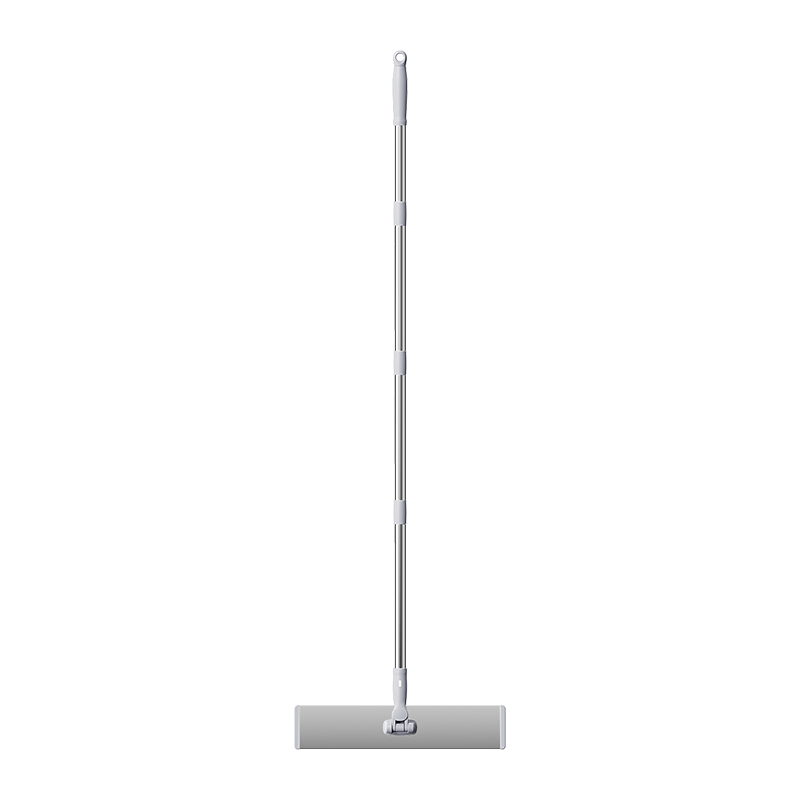
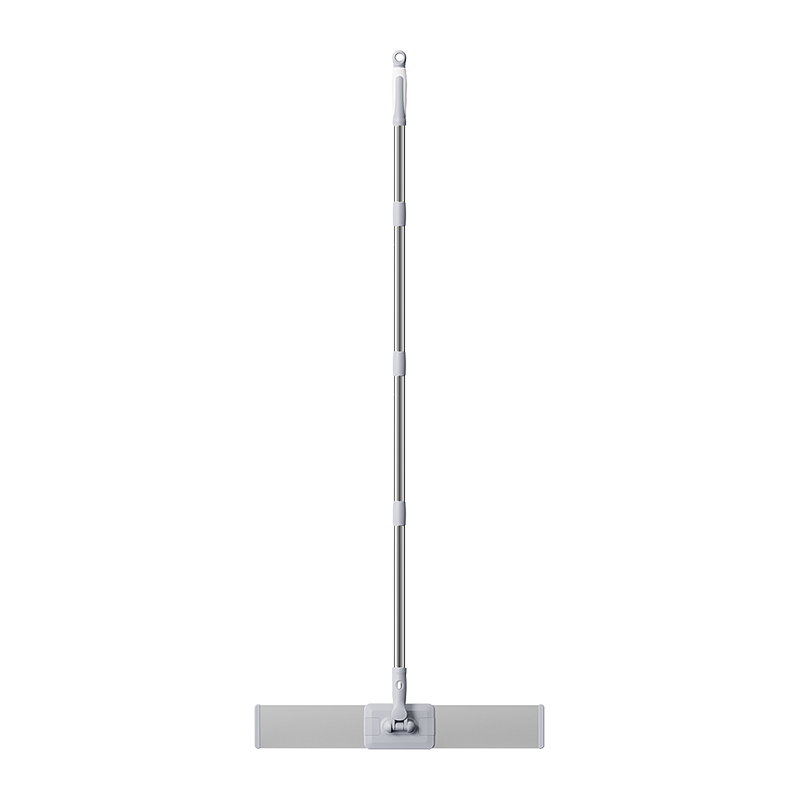
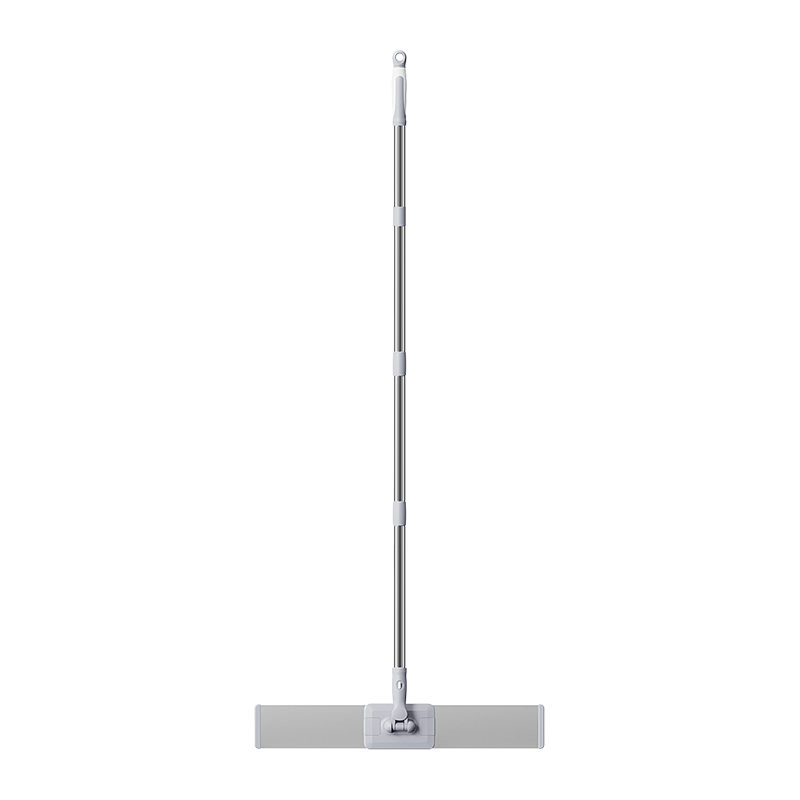
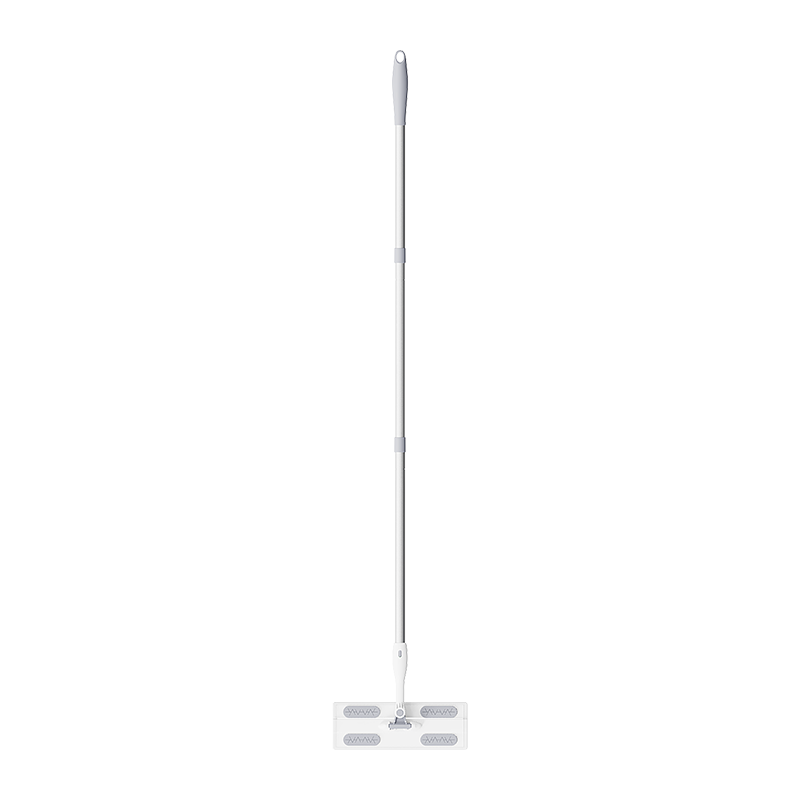
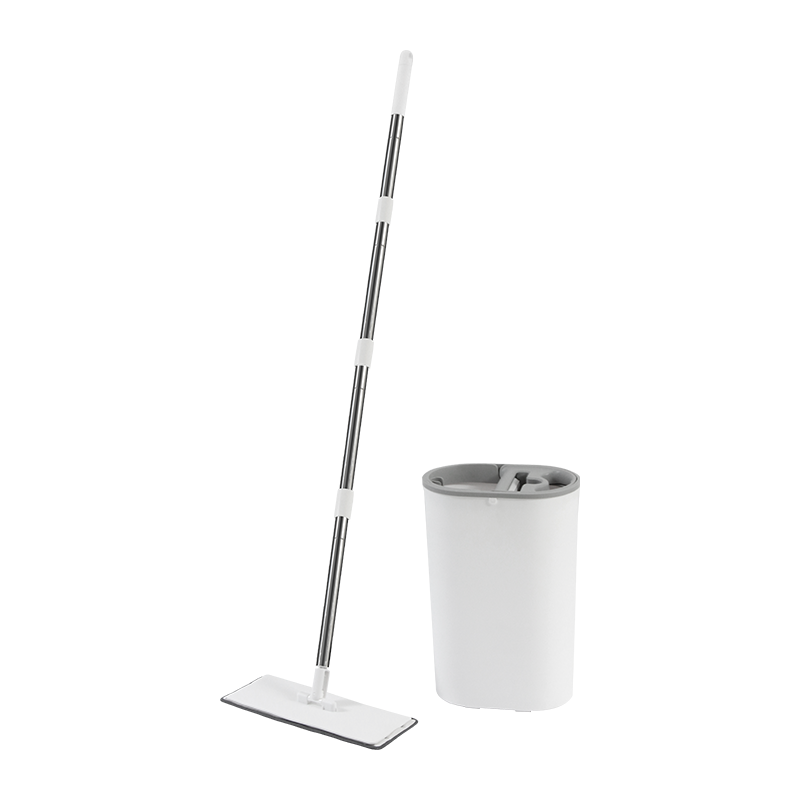
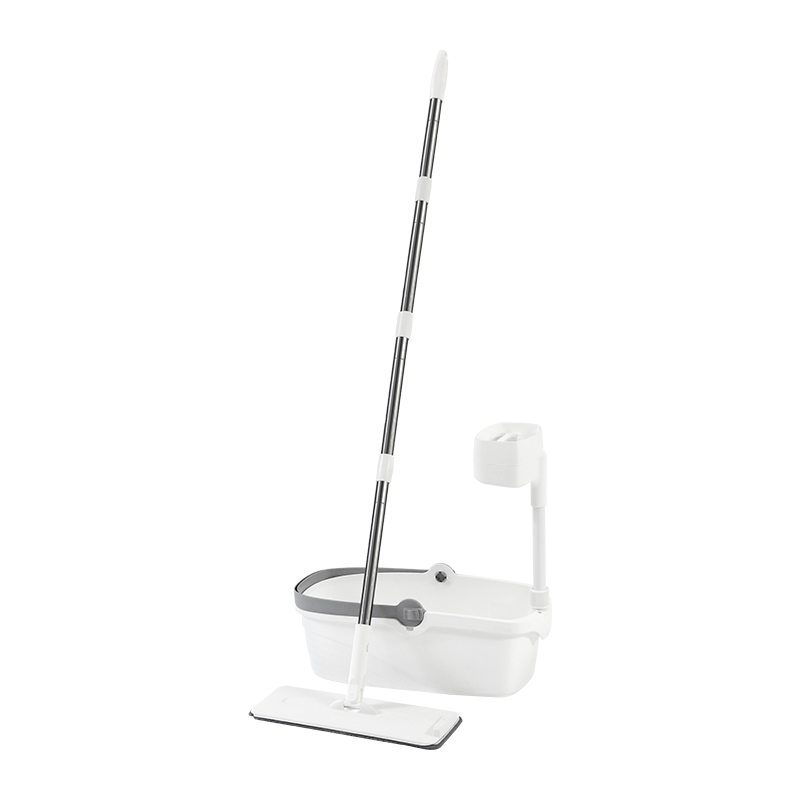
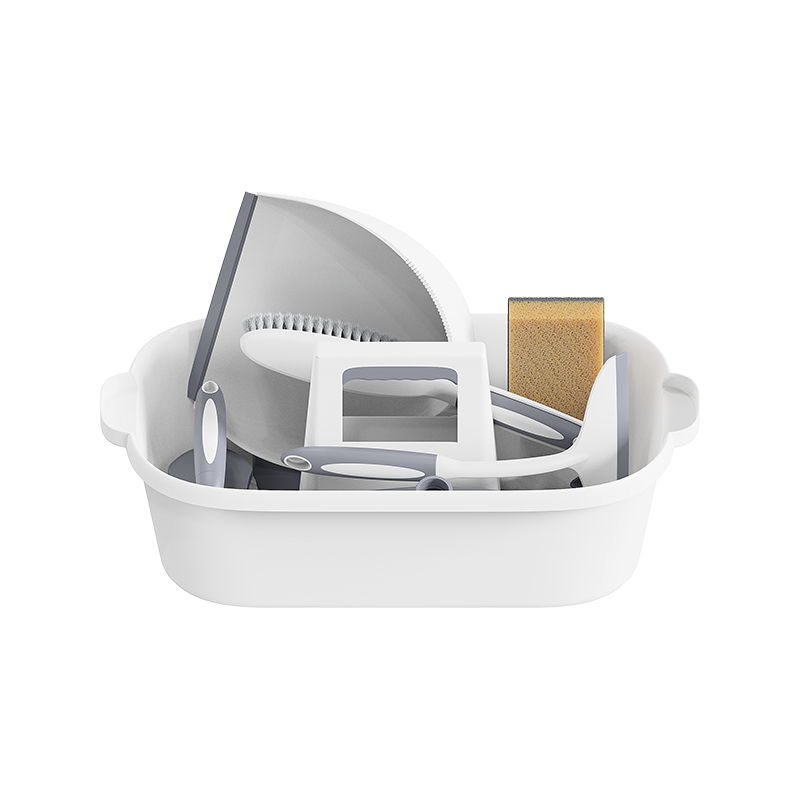
2 in 1 Dry and Wet Mop

Direct answer: To use a flat mop correctly for best results, work in a figure-eight or overlapping S-pattern rather than straight back-and-forth strokes, wring the pad to 70–80% dryness before mopping hard surfaces, change or flip the pad when it becomes visibly soiled, and always dry-sweep or vacuum first to remove loose debris. Following this method removes up to 99% of surface bacteria on smooth floors with a microfiber pad — compared to approximately 30% with a traditional string mop using the same cleaning solution.
Content
Most people attribute poor cleaning results to their detergent when the real cause is technique. A flat mop with a microfiber pad applies mechanical friction across a large contact surface — it is this friction, not the cleaning chemical, that physically dislodges and traps soil, bacteria, and allergens from floor surfaces. The cleaning solution loosens and suspends contaminants; the pad captures and removes them. If the technique is wrong, the pad simply spreads contaminants across a wider area rather than removing them.
Research comparing flat mopping techniques consistently shows that pad saturation level and stroke pattern are the two variables with the greatest impact on cleaning outcomes. A pad that is too wet creates a slipping smear; a pad that is too dry misses embedded soil. The figure-eight stroke pattern keeps the pad in continuous contact with the floor and ensures every part of the pad surface engages with the floor — eliminating the dead zones at the leading and trailing edges that occur in straight back-and-forth strokes.
A consistent mopping sequence eliminates the most common errors — wet floors that dry slowly, missed areas, and re-deposited soil — and produces reliably clean results across every floor type.
Always dry-sweep, dust mop, or vacuum before wet mopping. A flat mop pad is designed to remove dissolved and suspended soil from hard surfaces — not to pick up loose debris, hair, or sand. Mopping over loose particles grinds them into the floor surface and rapidly saturates the pad with dry soil, reducing its wet-cleaning effectiveness. In a typical household setting, a dry pass with a microfiber dust pad takes under 2 minutes and makes the subsequent wet mopping significantly more effective.
Soak the pad thoroughly in clean mopping solution, then wring until it is damp but not dripping — approximately 70 to 80% of absorbed water removed. The pad should feel firmly damp when squeezed, not wet enough to release water under light pressure. For a microfiber flat mop for hardwood floor cleaning, err toward drier — hardwood swells when exposed to standing moisture, and a pad that is too wet can cause cupping and surface damage over time. For tile and ceramic surfaces, a slightly wetter pad is acceptable as these materials are not moisture-sensitive.
Begin at the far end of the room and work backward toward the exit, so you never walk on a freshly mopped surface. Move the flat mop head in a continuous figure-eight or overlapping S-shaped pattern, keeping the same edge of the mop head leading throughout — do not flip the mop head to alternate leading edges mid-stroke, as this deposits collected soil back onto the floor. The figure-eight pattern ensures 100% pad surface contact with the floor, compared to approximately 60–70% in a straight stroke where the pad corners rarely contact the floor.
Most flat mop pads have two usable sides. Flip the pad to the clean side when the first side becomes visibly soiled — typically after covering 15 to 25 square meters of floor in a moderately dirty environment. For heavily soiled floors or larger areas, have a second clean pad ready to attach. A soiled pad being dragged across the floor is not cleaning — it is redistributing contaminated water. In professional commercial cleaning environments, pad change frequency is the single most important factor distinguishing effective from ineffective flat mopping.
After mopping, ensure adequate ventilation to allow the floor to dry within 5 to 10 minutes. A properly wrung flat mop pad should leave a thin film that dries quickly without leaving streaks or residue. If the floor remains wet for more than 15 minutes, the pad was too saturated — reduce the moisture level on the next pass. Slow drying on hardwood floors is a warning sign of over-wetting that requires immediate attention to prevent moisture absorption into the wood substrate.
A microfiber flat mop for hardwood floor cleaning requires specific technique adjustments compared to mopping tile or vinyl. Hardwood is the most moisture-sensitive common flooring material, and incorrect mopping is one of the leading causes of hardwood floor deterioration in residential settings.
Microfiber pads are composed of extremely fine polyester and polyamide fibers — typically 0.5 to 1.5 denier in diameter — that create a dense, high-surface-area cleaning medium. This fine fiber structure physically traps and holds particles within the pad rather than pushing them ahead of the mop, and its absorbent properties allow the pad to be wrung to a precise low-moisture level that is safe for hardwood. Cotton pads, by contrast, tend to release water more readily and are more difficult to wring to the very low moisture level that hardwood requires.
Hardwood flooring manufacturers universally specify that floors should be cleaned with a "barely damp" mop — meaning the pad should leave no visible moisture trail on the surface after the mop has passed. If you can see water on the floor behind the mop, the pad is too wet for hardwood. The practical test: after the mop passes, the floor should appear visually dry within 30 to 60 seconds. Longer drying times indicate excessive moisture that risks penetrating between boards and into the subfloor.
Use a hardwood-specific floor cleaner diluted at the manufacturer's specified ratio — typically 30 to 60 mL per 4 liters of water. Do not use general-purpose floor cleaners with high alkalinity on hardwood, as these strip the floor's finish over time. Avoid vinegar-based solutions on polyurethane-finished floors — despite being widely recommended online, acetic acid gradually breaks down polyurethane coatings, dulling the floor's sheen and reducing its protective layer.
A flat mop for tile and bathroom floor cleaning faces different challenges than hardwood mopping: grout lines trap soil at a depth that surface mopping cannot fully reach, bathroom floors carry a higher microbial load than other rooms, and wet area floors often have textured surfaces that require additional dwell time for the cleaning solution to work.
Standard flat mop pads do not reach deep into grout channels during normal mopping strokes. To improve grout cleaning with a flat mop, apply a slightly wetter pad with higher solution concentration to allow the cleaning solution to penetrate the grout surface, apply light downward pressure as you pass over grout-heavy areas, and allow a 1 to 2 minute dwell time before the second mop pass to let the cleaning agent loosen embedded soil. For heavily stained grout, a targeted grout brush treatment is needed separately — the flat mop maintains grout between deep cleans rather than restoring neglected grout.
Bathroom floors require a sanitizing cleaning solution in addition to a detergent cleaner. Use a flat mop pad with a disinfecting solution rated for hard surfaces — apply the solution, allow the required contact time (typically 30 seconds to 2 minutes as specified by the product), then mop to remove. Do not rinse away the disinfectant immediately after application, as this defeats the contact time requirement. Change the pad between bathroom and other room areas to prevent cross-contamination.
Textured or non-slip tiles in wet areas have surface profiles that trap soil more readily than smooth tiles. A microfiber flat mop pad with longer pile — typically 10 to 15 mm pile height rather than the standard 5 to 8 mm — engages better with surface texture and cleans more effectively than a short-pile pad that rides over the high points of the tile surface without reaching the recessed areas.
| Floor Type | Recommended Pad | Moisture Level | Solution Type | Change Pad Every |
|---|---|---|---|---|
| Hardwood / engineered wood | Short-pile microfiber | Barely damp (80% wrung) | Hardwood-specific, pH neutral | Every 20–30 m² |
| Smooth ceramic tile | Standard microfiber | Damp (70% wrung) | All-purpose floor cleaner | Every 15–25 m² |
| Textured / non-slip tile | Long-pile microfiber (10–15 mm) | Moderately wet (60% wrung) | Tile-specific cleaner | Every 10–20 m² |
| Bathroom / wet area tile | Microfiber with disinfectant resistance | Damp to moderately wet | Disinfecting floor cleaner | Every room / session |
| Vinyl / LVT | Standard microfiber | Damp (70% wrung) | pH neutral multi-surface | Every 20–30 m² |
A commercial flat mop for office cleaning use operates under fundamentally different constraints than household mopping. Speed, coverage area, user ergonomics across extended shifts, and pad change logistics all become significant factors when a cleaning operative must cover 500 to 2,000 square meters of floor per shift.
Commercial flat mops are typically designed with telescoping aluminum or fiberglass handles adjustable to the user's height — setting the handle length so the mop grip falls at approximately hip height when the mop is flat on the floor minimizes lower-back strain over extended use. Handles with a slight forward angle at the mop head attachment point improve reach under furniture and into corners without requiring the operative to bend.
For large open-plan office floors, a mop head width of 40 to 60 cm covers more floor per stroke than standard 30 cm household models, reducing the total number of strokes required per area and lowering physical fatigue over a full cleaning shift. Studies of commercial cleaning ergonomics show that wider mop heads reduce mopping time per 100 m² by approximately 20 to 25% compared to narrower consumer models.
In commercial environments, carrying pre-loaded replacement pads in a laundry bag attached to the cleaning trolley allows fast pad swaps without returning to a service room. A well-organized commercial cleaning operative should change pads every 15 to 20 minutes of active mopping, which typically corresponds to approximately 100 to 150 m² of floor in a lightly soiled office environment. Pre-soaking a set of pads in the cleaning solution before the shift starts — allowing them to fully absorb the solution — reduces the time spent preparing pads during the cleaning session.
Commercial cleaning standards in hospitality, healthcare, and food service environments mandate colour-coded cleaning equipment to prevent cross-contamination between areas. A common system uses: green for general office and public areas, red for washrooms and toilet areas, blue for food preparation areas, and yellow for clinical or isolation areas. Using different pad colours for different zones ensures that a pad used in a washroom is never accidentally used in a kitchen or office area — a simple but highly effective contamination control measure.
In a commercial office cleaning context, the total cost of microfiber flat mop pads — including washing and replacement — over a two-year period is typically 60 to 75% lower than the equivalent cost of disposable mop heads or traditional string mop consumables for the same floor area, while delivering superior cleaning performance across all floor types.
A microfiber flat mop pad is a reusable cleaning tool, not a disposable consumable — but only if it is maintained correctly. Poor pad care is the most common reason microfiber pads lose their cleaning effectiveness long before the end of their usable life.
Replace microfiber pads when they show permanent staining that does not wash out (indicating the fiber structure is saturated with embedded soil), when the pad no longer feels soft and slightly fibrous to the touch (fiber damage from heat or mechanical wear), or when cleaning performance is visibly reduced — floors appear less clean after mopping despite correct technique and fresh solution. Most quality microfiber pads are rated for 300 to 500 machine washes before performance degradation requires replacement.
Ningbo Ivy Daily Commodity Co., Ltd. was established in 2001 and specializes in producing household products including cleaning tools and accessories. The company is part of CQT Group, headquartered in Ninghai County, Zhejiang Province, China, with a workforce of more than 300 employees. A second subsidiary, Ningbo Ivy Auto Accessories Co., Ltd., was established in 2015 to serve the auto accessories market.
CQT Group has developed into a large-scale enterprise integrating R&D, manufacturing, and sales of household commodities and auto accessories. The company's commitment to outstanding product and service quality has earned recognition across the industry and consistent trust from international partners.
Over the years, CQT Group's products have been exported to more than 20 countries, including markets in North America, Europe, and the Middle East, where they are trusted and favoured by foreign customers. In the domestic market, the group adjusts its marketing strategy while maintaining its core business values, aiming to bring reliable products and services to millions of local families.
From concept to production, we can create the products you want.
 Contact InformationQuick Link
Scan Code
Business partner
Contact InformationQuick Link
Scan Code
Business partner











Copyright Ningbo Ivy Daily Commodity Co., Ltd. All Rights
Reserved.
China Cleaning Brushes Manufacturer
Brushing Cleaning Supplier

