

 中文简体
中文简体 English
 Español
 Français
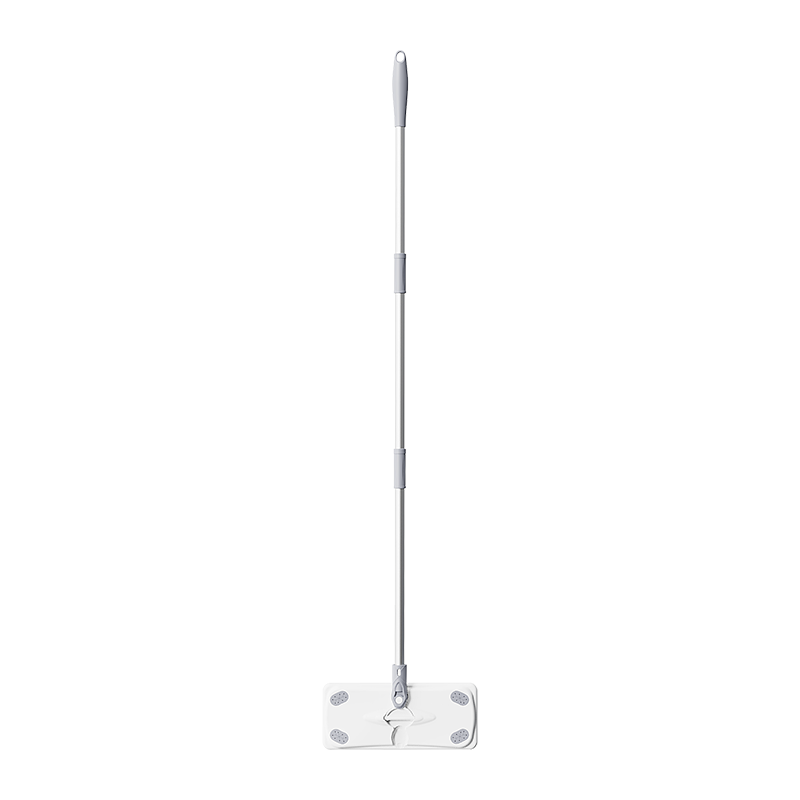
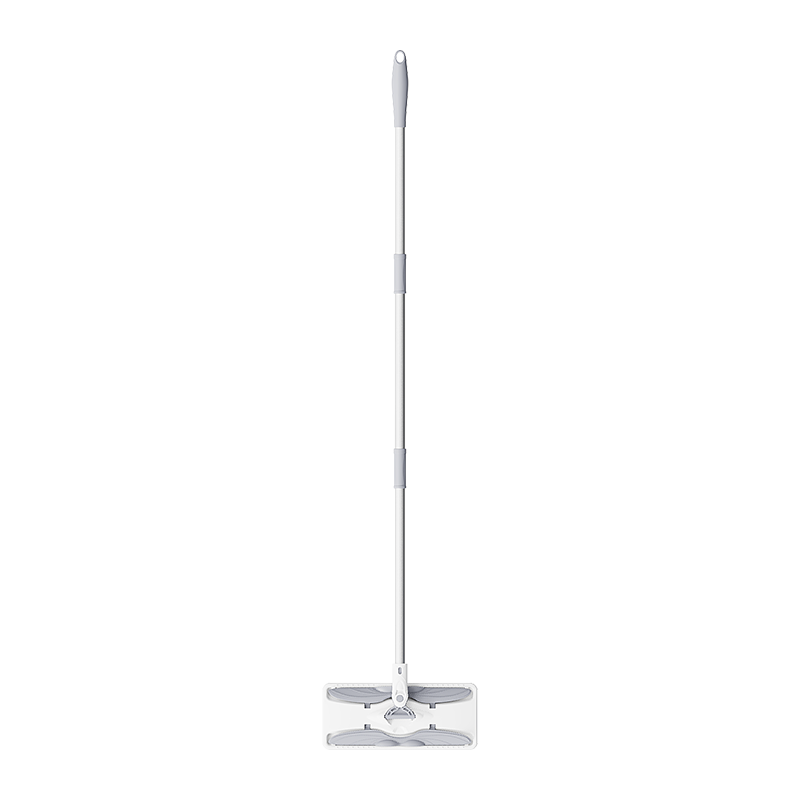
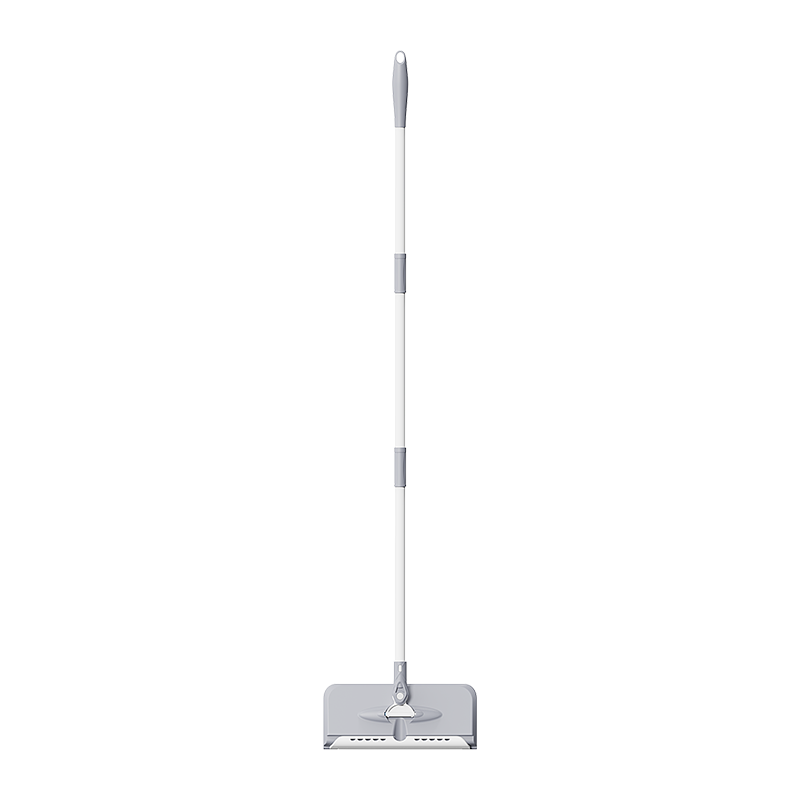
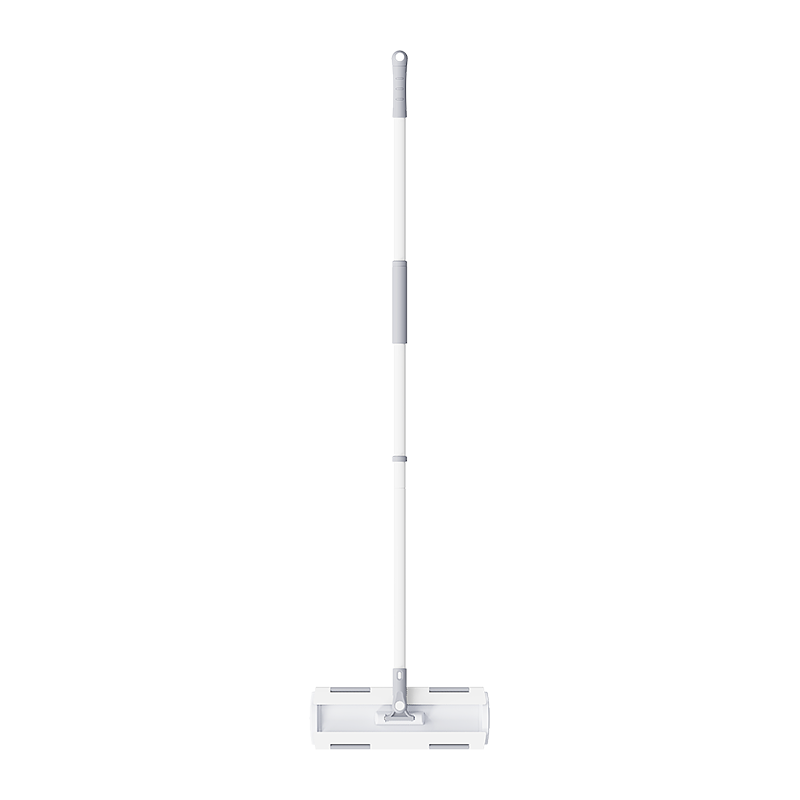
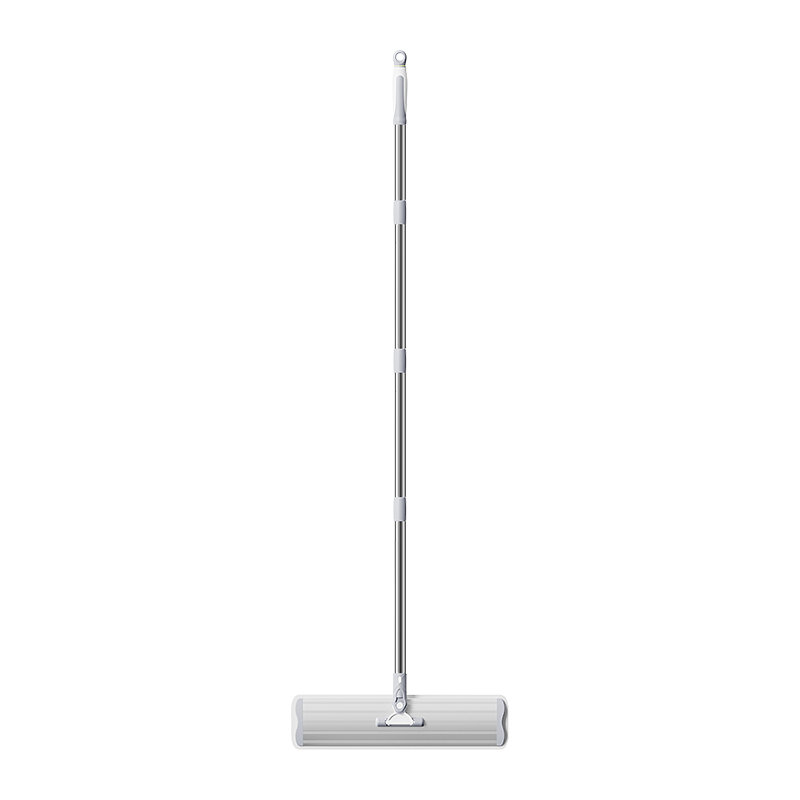
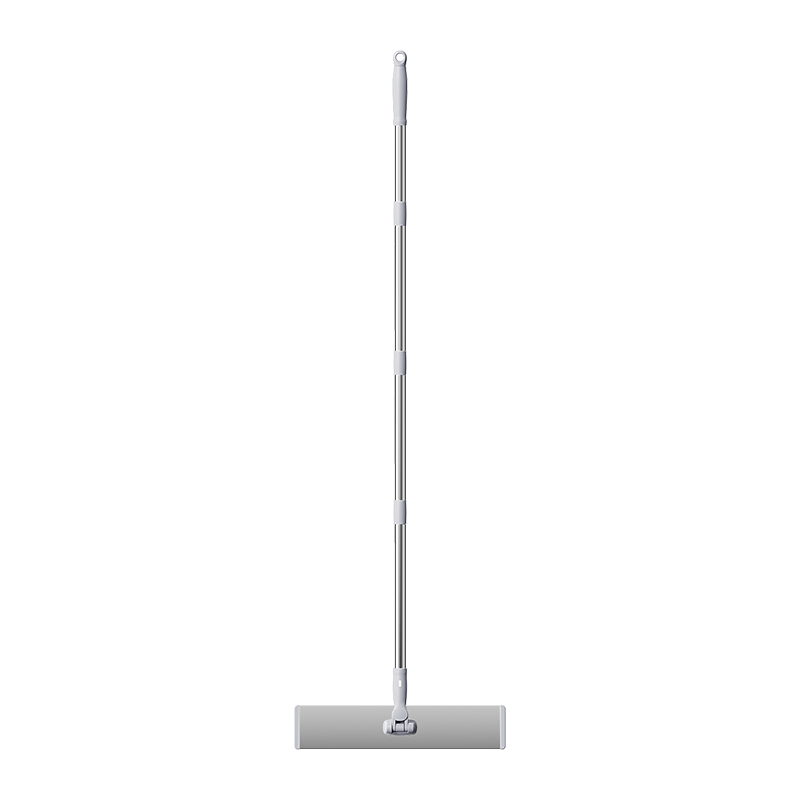
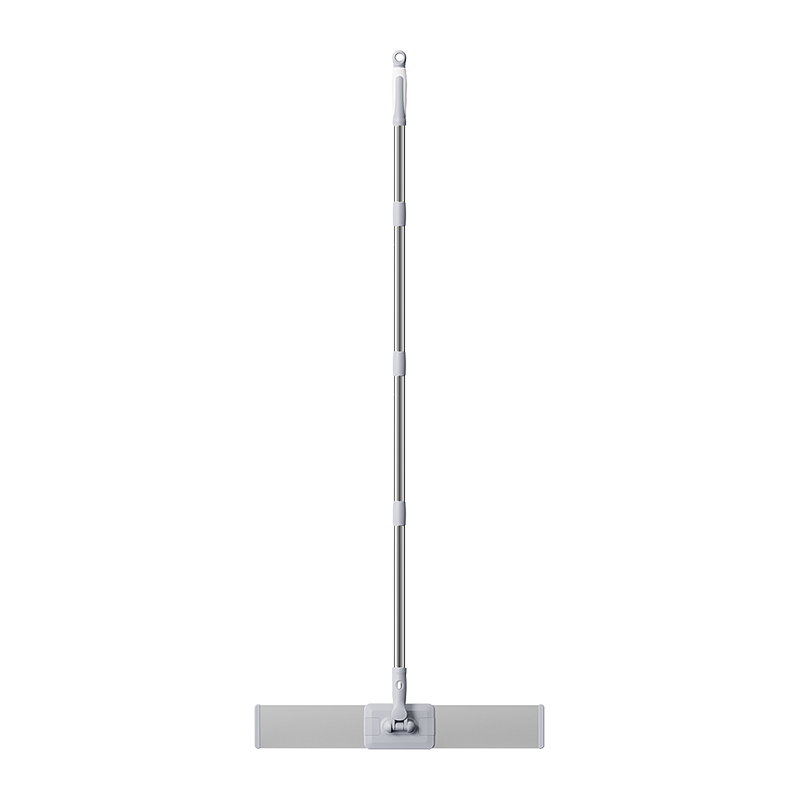
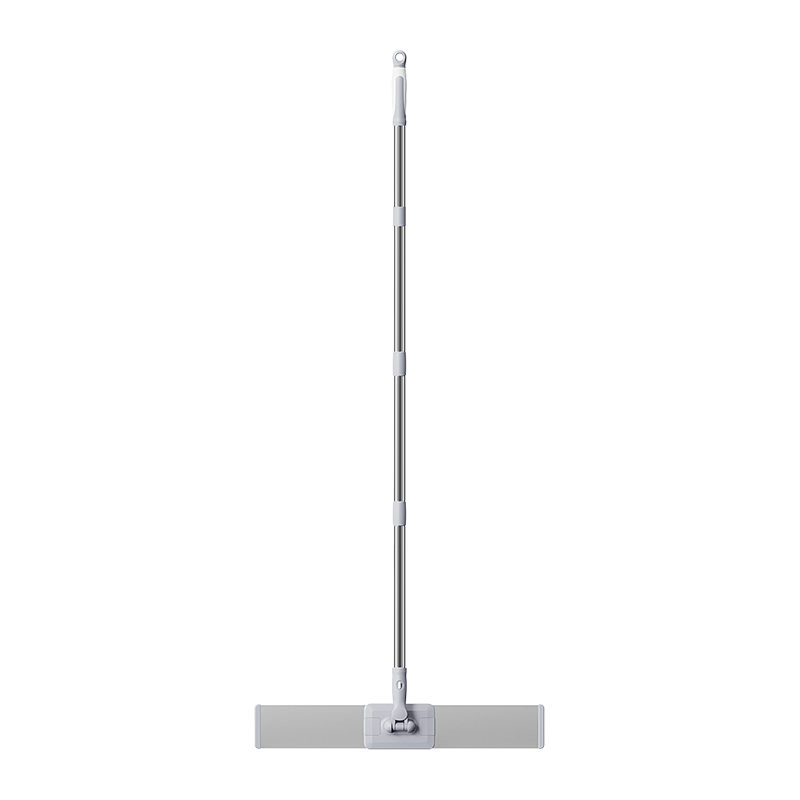
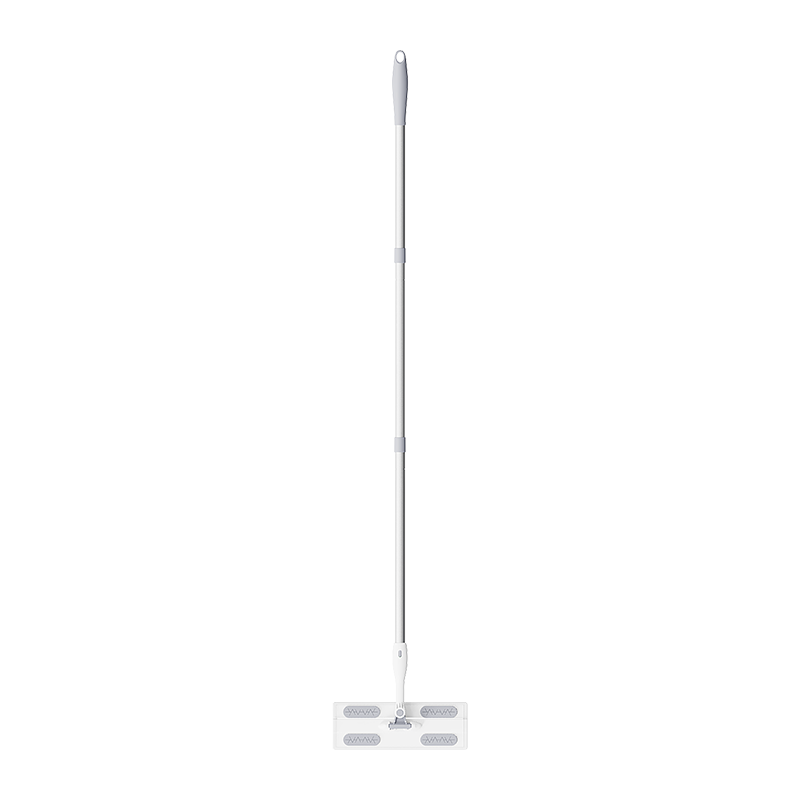
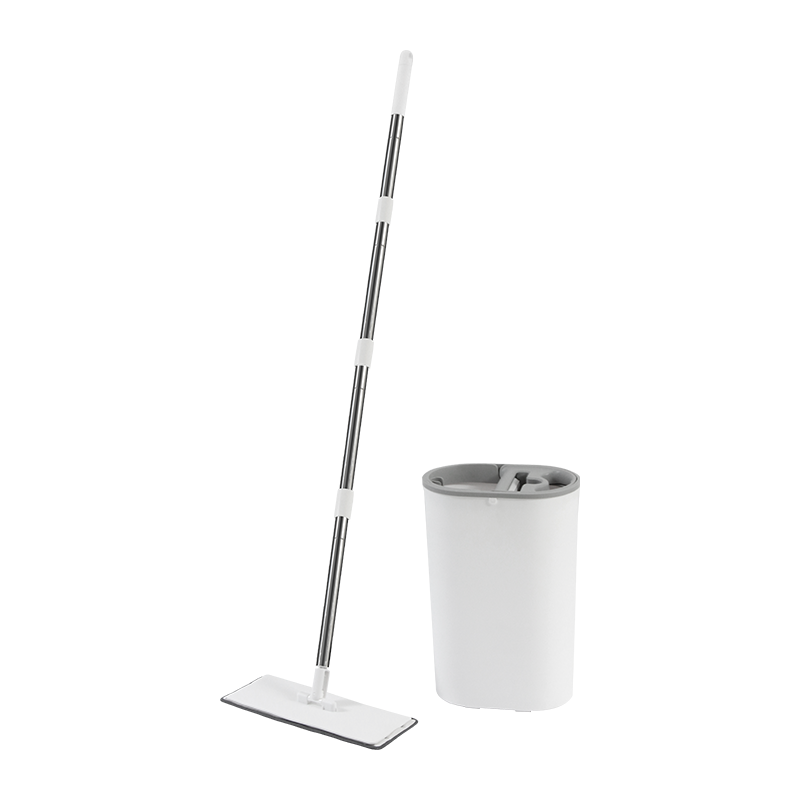
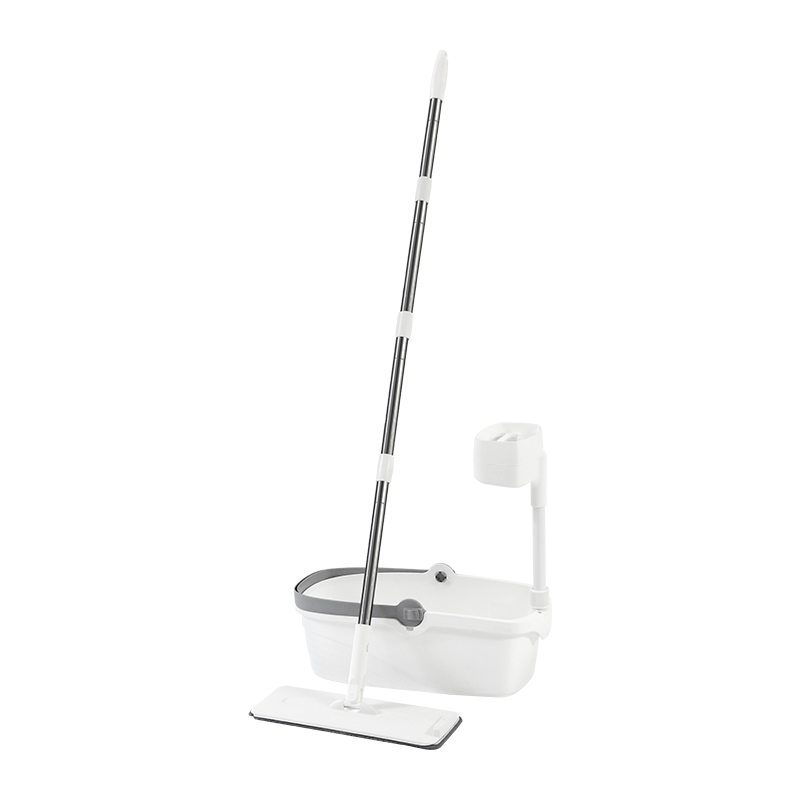
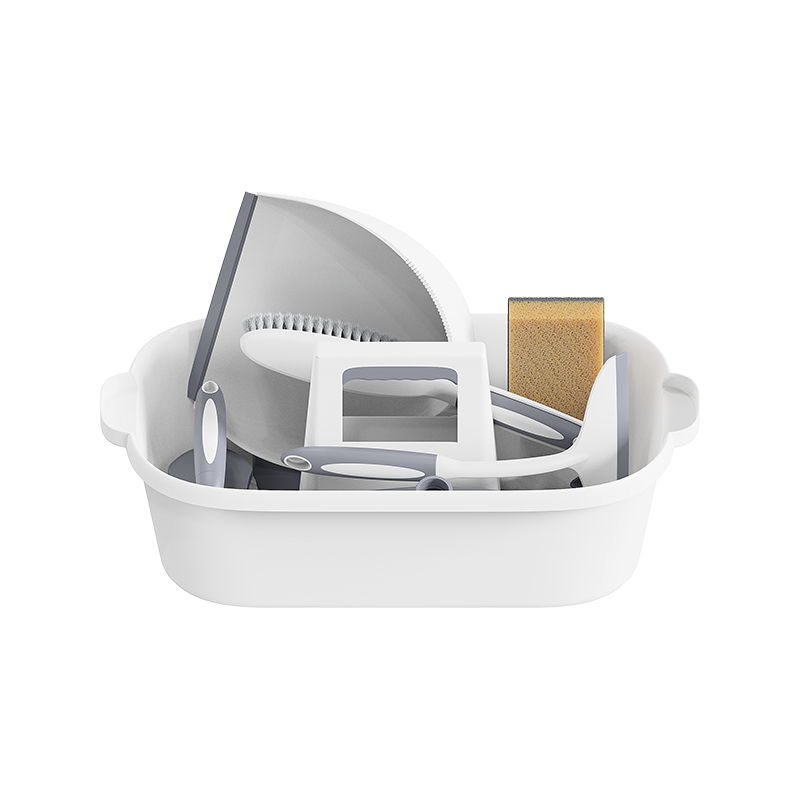
2 in 1 Dry and Wet Mop

Content
A bathroom brush can significantly reduce mold and bacteria buildup in your toilet and bathroom surfaces — but only when it is made from the right materials, stored properly, and replaced on schedule. Simply having a brush is not enough; how you use and maintain it determines whether it fights hygiene or contributes to it.
In 2026, bathroom hygiene has moved far beyond just scrubbing. Research shows that the average toilet bowl harbors over 3.2 million bacteria per square inch, and traditional brush designs can trap moisture and spread those bacteria rather than eliminate them. Choosing the right bathroom brush — and following an evidence-based cleaning routine — is one of the most practical steps you can take to protect your household from mold and microbial contamination.
Bathrooms are uniquely hospitable environments for microbial growth. The combination of consistent moisture, organic waste residue, and limited air circulation creates near-ideal conditions for both mold spores and bacteria to colonize surfaces rapidly.
Studies from environmental hygiene labs indicate that a traditional brush left wet in a closed holder can accumulate bacteria counts exceeding 1 million CFU/mL within 48 hours of use. This makes the brush itself a potential contamination vector if not managed properly.
Not all bathroom brushes perform equally. The materials, bristle design, and holder construction all influence whether your brush contributes to hygiene or undermines it. Here is what the research supports:
Silicone bristles have emerged as a leading choice in 2026. Unlike traditional nylon, silicone is non-porous, meaning it does not absorb moisture or trap organic particles between filaments. Tests comparing silicone and nylon brushes over a 30-day period showed silicone bristles retaining up to 85% fewer bacteria after each use cycle. Dense but flexible bristle patterns also ensure full contact with curved bowl surfaces, removing biofilm more completely.
The holder is frequently overlooked but critically important. A closed-bottom holder retains standing water, which becomes a bacterial reservoir within hours. Open-base or ventilated holders allow air circulation that reduces drying time from an average of 6–8 hours (closed) to under 2 hours. Some modern designs include a drip tray that channels water away from the bristles entirely.
Many current bathroom brush products incorporate antimicrobial agents such as silver ion technology or plant-derived biocides into the bristle material itself. These additives have been shown to reduce surface bacterial counts by 40–70% between cleaning sessions in controlled lab settings. While not a substitute for regular cleaning, they provide meaningful passive protection.
| Material | Moisture Retention | Bacteria Resistance | Durability | Eco-Friendliness |
|---|---|---|---|---|
| Traditional Nylon | High | Low | Moderate | Low |
| Silicone | Very Low | High | High | Moderate |
| Recycled PET Bristles | Moderate | Moderate | Moderate | High |
| Plant Fiber (Eco) | Moderate | Moderate–High | Low–Moderate | Very High |
Consumer demand for sustainable home products has reshaped the bathroom brush category significantly. The global market for sustainable bathroom accessories grew by an estimated 18% year-on-year from 2023 to 2025, and eco-friendly bathroom brush options now represent a major segment of new product launches.
Importantly, the shift to an eco-friendly bathroom brush does not require a trade-off in hygiene performance. Bamboo, for example, contains natural antimicrobial properties due to a compound called bamboo kun, which inhibits bacterial growth on the handle surface. Replaceable-head designs also support better hygiene outcomes, as worn or contaminated bristle heads can be swapped out on schedule without discarding the full unit.
Even the highest-quality brush will fail to protect your bathroom if it is used incorrectly. The following practices are grounded in hygiene research and widely recommended by cleaning professionals.
One of the most impactful hygiene habits is simple: never place a wet brush directly into a closed holder. A practical method used in professional cleaning contexts involves resting the brush handle across the toilet seat rim for 5–10 minutes post-cleaning, allowing water to drip into the bowl before storage. This single step can reduce moisture-related bacterial growth by a significant margin.
The brush requires its own regular disinfection cycle. Every 1–2 weeks, soak the bristle head in a solution of diluted bleach (1 part bleach to 10 parts water) or a plant-based disinfectant for 10–15 minutes. Rinse thoroughly afterward. This prevents the brush from becoming a secondary contamination source between toilet cleanings.
Regardless of material, no bathroom brush should be kept indefinitely. Hygiene professionals recommend replacing bristle heads or the full brush every 3–6 months, or immediately if visible discoloration, splaying of bristles, or persistent odor is present. Splayed bristles reduce cleaning efficiency by up to 40%, leaving more biofilm on bowl surfaces with each use.
Many households are unaware that their cleaning tool has crossed from a hygiene asset to a contamination source. Watch for these warning signs:
If two or more of these signs are present, the brush should be replaced immediately rather than disinfected. At that stage, the level of microbial colonization in the brush matrix typically exceeds what disinfectant soaking can reliably reverse.
When selecting a bathroom brush in 2026, the following criteria offer a reliable framework for evaluating options based on their actual hygiene and sustainability performance:
An eco-friendly bathroom brush that combines a bamboo handle, silicone or recycled bristles, and a ventilated holder currently represents the best convergence of hygiene performance and environmental responsibility available in the market.
From concept to production, we can create the products you want.
 Contact InformationQuick Link
Scan Code
Business partner
Contact InformationQuick Link
Scan Code
Business partner











Copyright Ningbo Ivy Daily Commodity Co., Ltd. All Rights
Reserved.
China Cleaning Brushes Manufacturer
Brushing Cleaning Supplier

