

 中文简体
中文简体 English
 Español
 Français
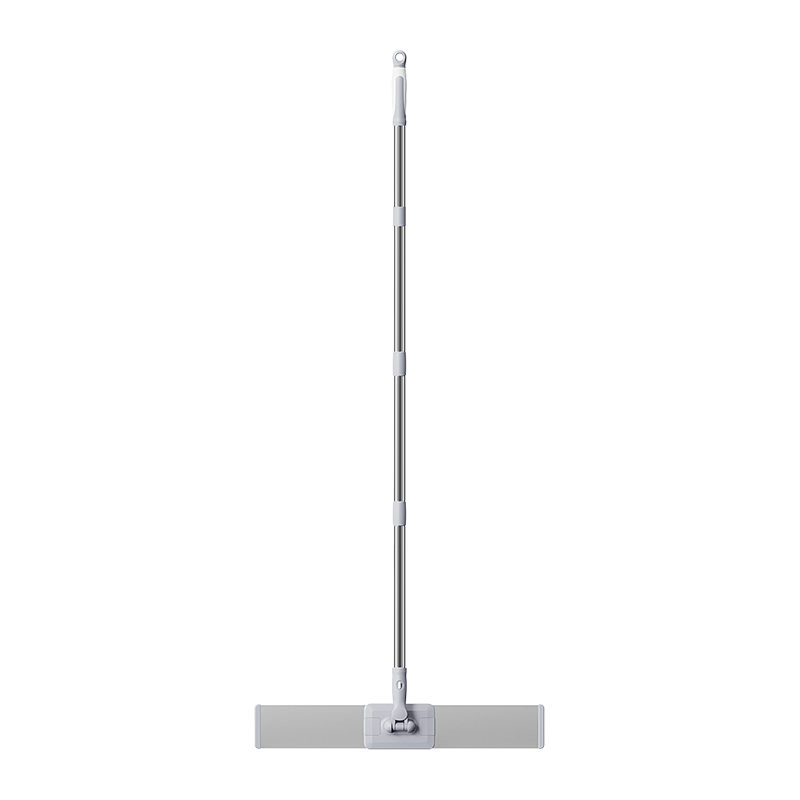
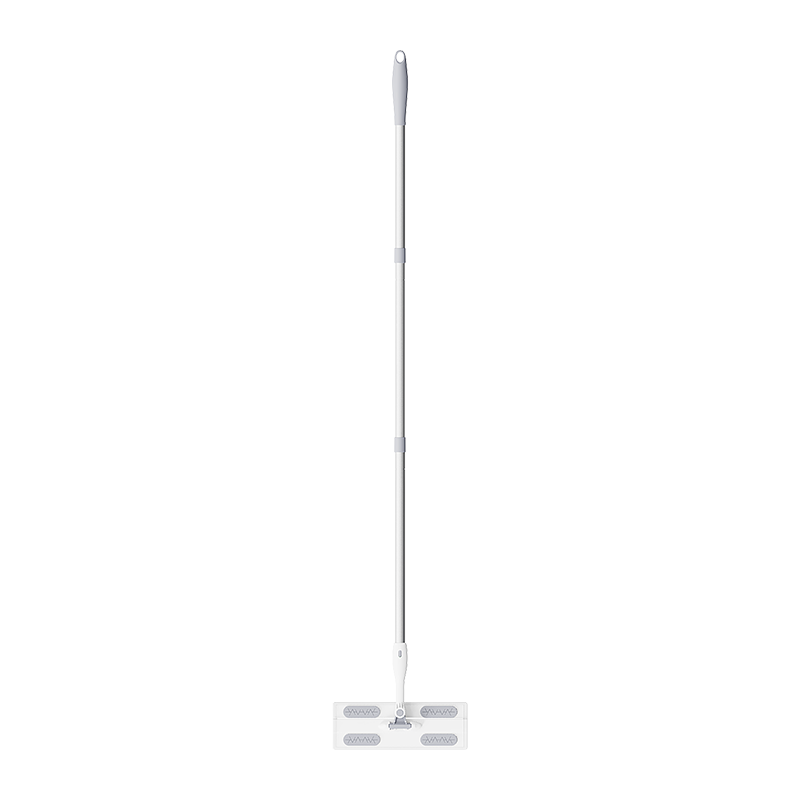
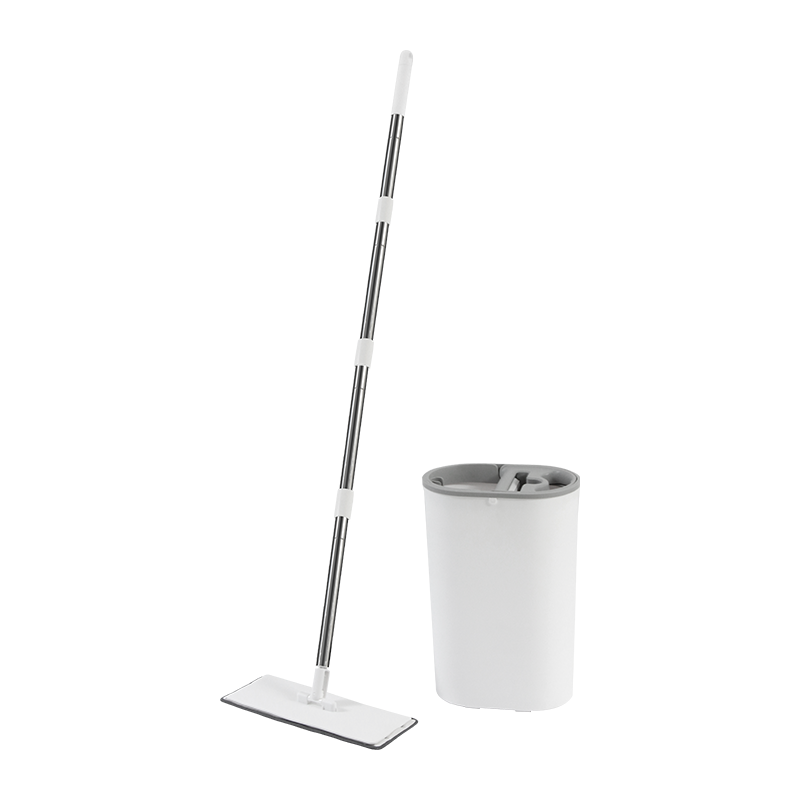
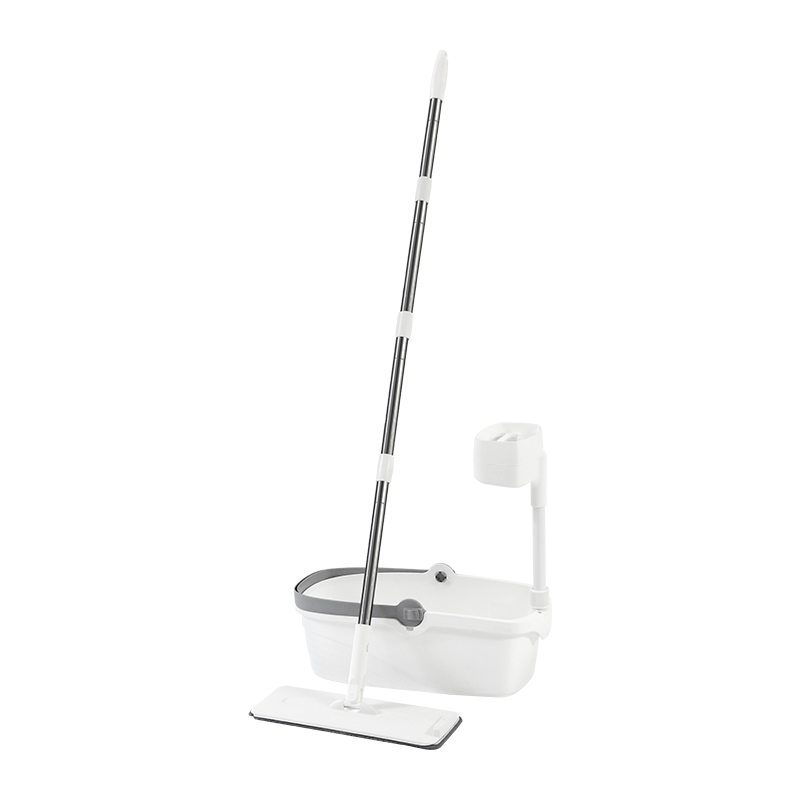
2 in 1 Dry and Wet Mop

Dish brushes are essential tools for kitchen cleaning, widely used in daily life to help people efficiently and thoroughly clean dishes, utensils, and cookware. Compared to traditional sponges, dish brushes are more durable and have stronger cleaning power, better handling various stains and grease, and reducing cleaning time. With proper use, dish brushes can not only improve cleaning results but also extend their lifespan. Understanding some dish brush cleaning tips can help you achieve the best results when washing your dishes.
1. Choosing the Right Dish Brush
First, choosing a dish brush that suits your needs is key to ensuring effective cleaning. Dish brushes come in a wide variety, from stiff to soft bristles, from long to short handles, from round to square, each design and material having its unique purpose and advantages.
Stiff-bristled brushes: Suitable for cleaning stubborn grease or cookware such as frying pans and cast iron pans. Stiff-bristled brushes can quickly remove stubborn stains, but be careful not to scratch the surface of the utensils, especially coated cookware.
Soft-bristled brush: Suitable for cleaning delicate tableware such as glass and porcelain. Soft-bristled brushes not only effectively remove stains but also protect the surface of the tableware from scratches.
Long-handled brush: Suitable for cleaning deep pots, cups, or bottles that are difficult to reach. Long-handled brushes effectively prevent hands from coming into contact with hot water or stains, improving cleaning convenience.
Short-handled brush: Suitable for cleaning flat tableware such as bowls and plates, offering a better feel and greater flexibility.
Choosing the right brush ensures a more efficient cleaning process and avoids damage to tableware and utensils.
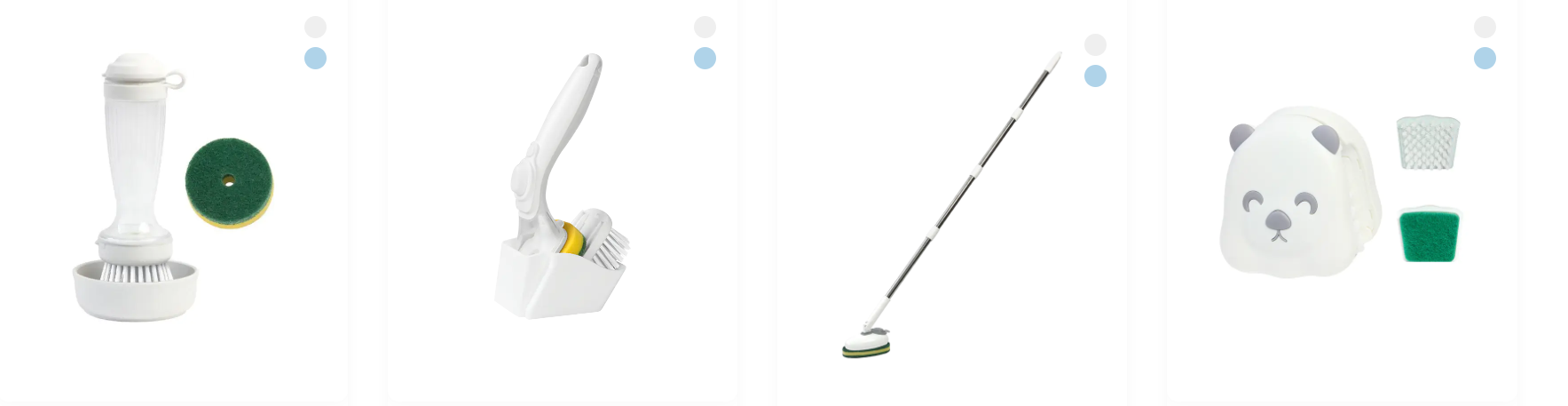
2. Cleaning Techniques When Using a Dishwashing Brush
(1) Pre-soaking Method
For stubborn oil stains or food residue, pre-soaking is recommended. Place the tableware in the sink, add an appropriate amount of dish soap or detergent, and soak for 5-10 minutes. Soaked tableware is easier to clean, reducing the burden of vigorous cleaning. Using a dishwashing brush not only improves cleaning efficiency but also reduces friction between the brush and the tableware surface, extending the lifespan of the dishwashing brush.
(2) Correct Pressure for Using a Dishwashing Brush
When using a dishwashing brush, avoid applying excessive pressure. Excessive pressure can damage the surface of tableware, especially porcelain or glassware, and can also cause premature wear of the bristles. Moderate pressure is sufficient to effectively remove stains. For stubborn grease stains, you can apply slightly more pressure, but avoid excessive rubbing on delicate tableware.
(3) Cleaning the Bristle Crevices
Food residue or grease can easily get trapped in the crevices of a dishwashing brush bristles, so ensure thorough cleaning after each use. Rinse the bristles with hot water to ensure no food residue remains. Additionally, regularly soak the dishwashing brush in hot water and dish soap for deep cleaning to prevent bacterial growth. For long-handled brushes, soak the bristles in vinegar or baking soda water, which helps remove bacteria and odors.
(4) Choosing the Right Cleaner for Different Stains
Different stains require different cleaners. For minor grease stains, regular dish soap can be used; however, for stubborn burnt food residue, it is best to use a strong detergent with cleaning power, or a special cookware cleaner. Additionally, for limescale or tea stains, vinegar or lemon juice can be used; these natural acids effectively remove stains without damaging the tableware.
(5) Use water temperature appropriately during cleaning
Water temperature significantly affects the cleaning effect. Using hot water helps dissolve grease and food residue, thus improving cleaning results. However, avoid excessively hot water, especially when cleaning glass and porcelain, as overly hot water can cause glass to crack or porcelain to shatter. Generally, warm water (40-50°C) is sufficient for cleaning most tableware.
(6) Avoid soaking dish brushes in water for extended periods
Dish brushes should not be soaked in water for long periods, as this can soften the bristles and cause the handle to rot. After each use, dish brushes should ideally be kept dry; hang them in a well-ventilated area to allow them to air dry naturally.
3. How to Extend the Lifespan of Your Dishwashing Brush
(1) Replace Your Dishwashing Brush Regularly
Although a dishwashing brush is a durable tool, wear and tear on its bristles is inevitable. To ensure cleaning effectiveness and user comfort, it is recommended to replace your dishwashing brush periodically. Especially when the bristles are deformed or severely worn, it should be replaced promptly.
(2) Store Your Dishwashing Brush Properly
After using your dishwashing brush, ensure it is completely dry. Place it on a dedicated brush holder to avoid water accumulation. Prolonged water accumulation can lead to bacterial growth and damage the brush material.
(3) Avoid Using the Brush to Scrub Hard Stains
Although dishwashing brush bristles are strong, they are not suitable for scrubbing hard stains, such as burnt carbon deposits from the bottom of pots and pans. These stains can easily damage the bristles, causing premature brush failure.
By mastering some dishwashing brush cleaning techniques, you can not only improve cleaning effectiveness but also extend the lifespan of your dishwashing brush. Choosing the right brushes, using the correct detergents and water temperatures, and keeping the brushes clean and well-maintained are all key steps to ensuring a clean kitchen. Whether cleaning everyday dishes or tackling stubborn stains, a dish brush is an indispensable helper in kitchen cleaning.
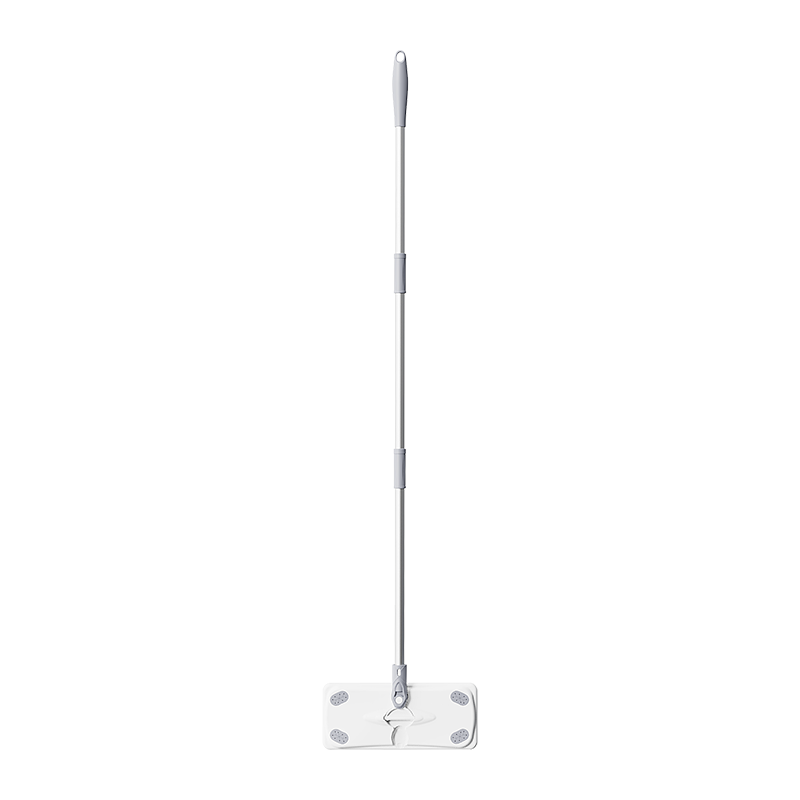
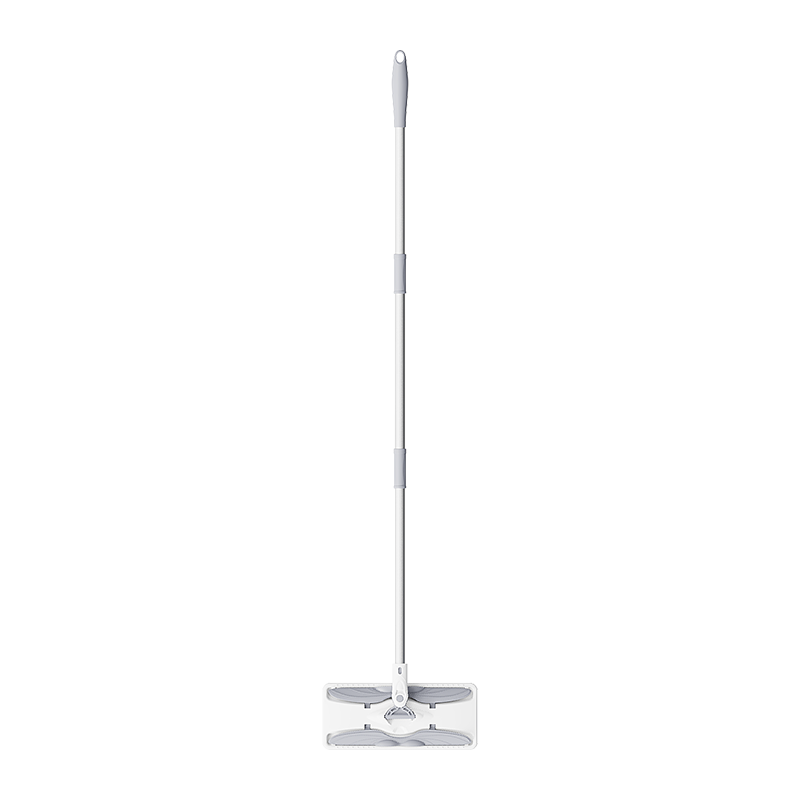
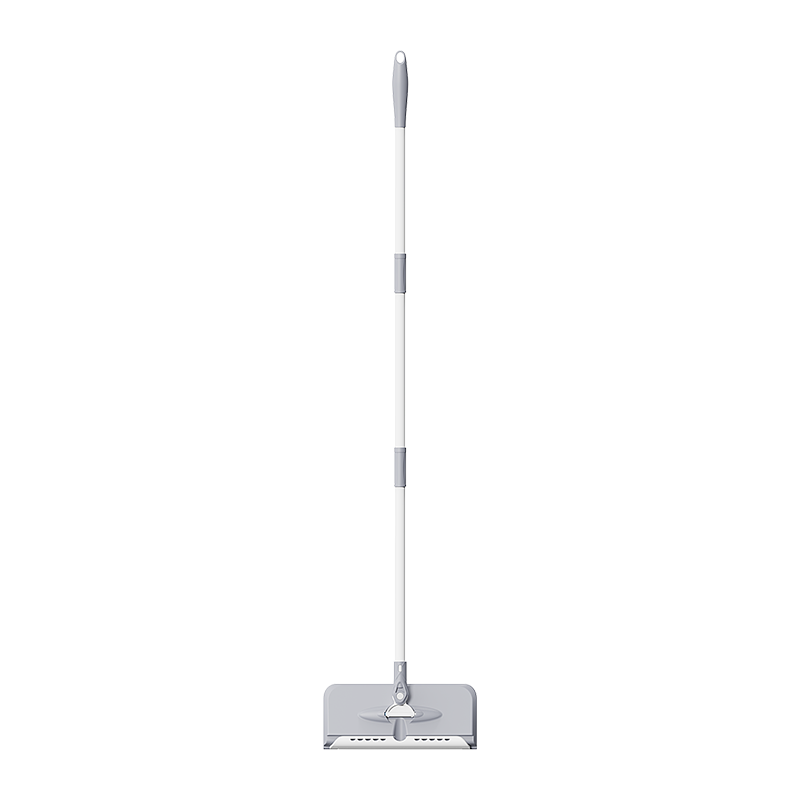
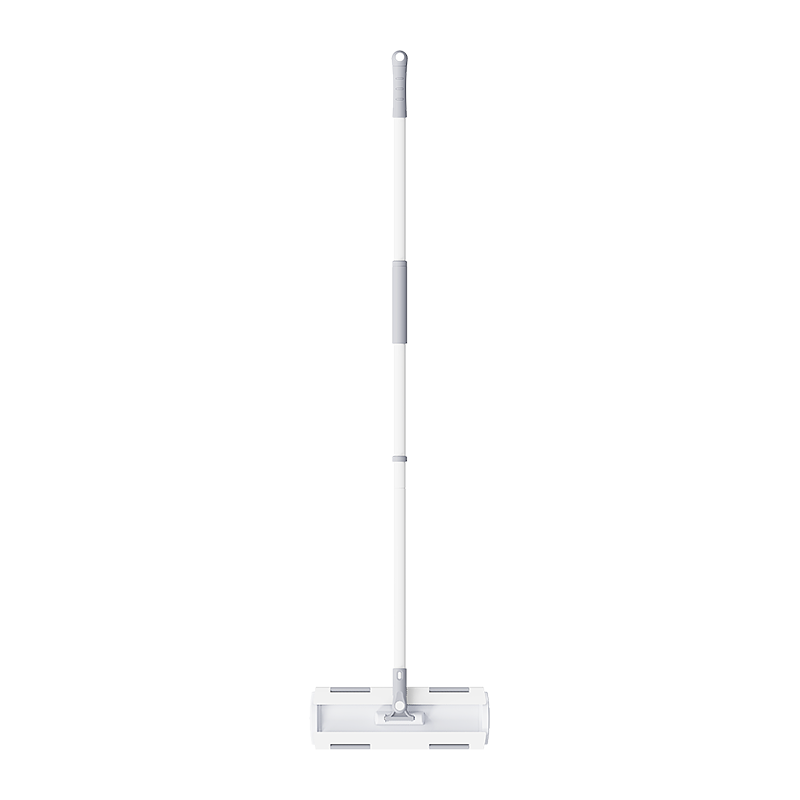
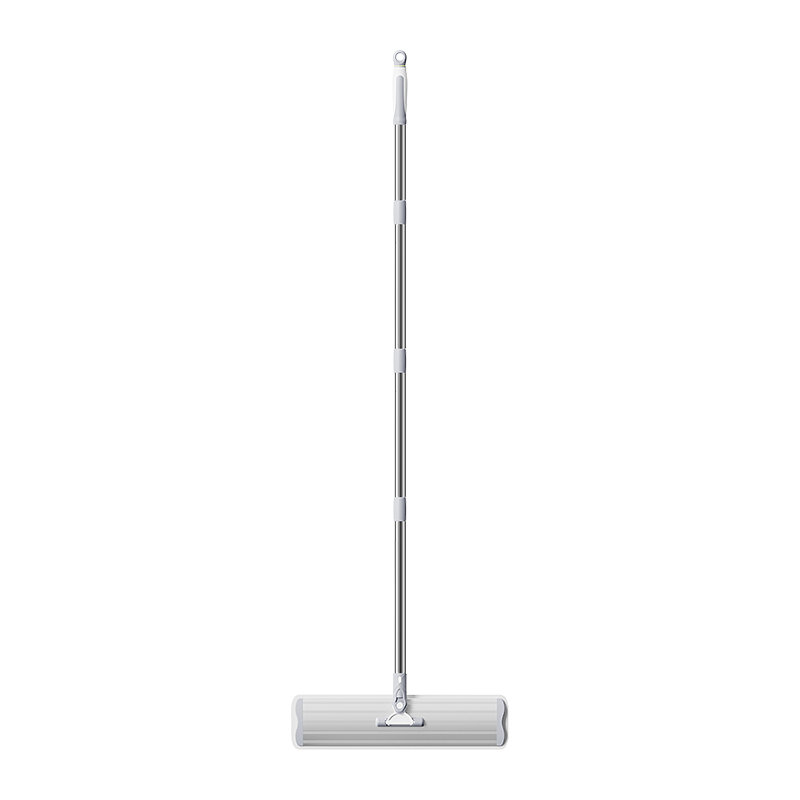
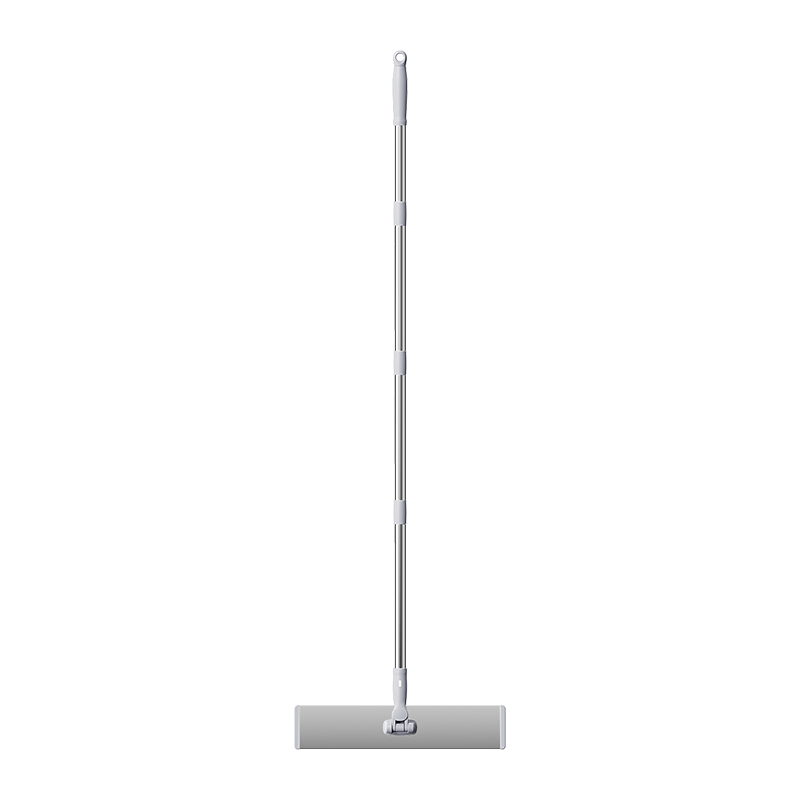
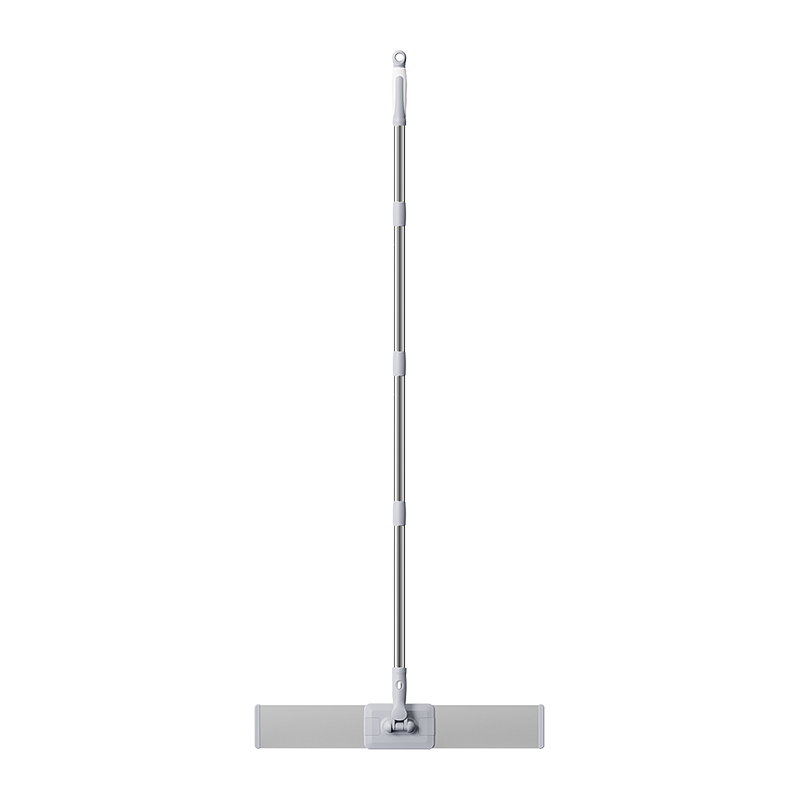
From concept to production, we can create the products you want.
 Contact InformationQuick Link
Scan Code
Business partner
Contact InformationQuick Link
Scan Code
Business partner











Copyright Ningbo Ivy Daily Commodity Co., Ltd. All Rights
Reserved.
China Cleaning Brushes Manufacturer
Brushing Cleaning Supplier

