

 中文简体
中文简体 English
 Español
 Français
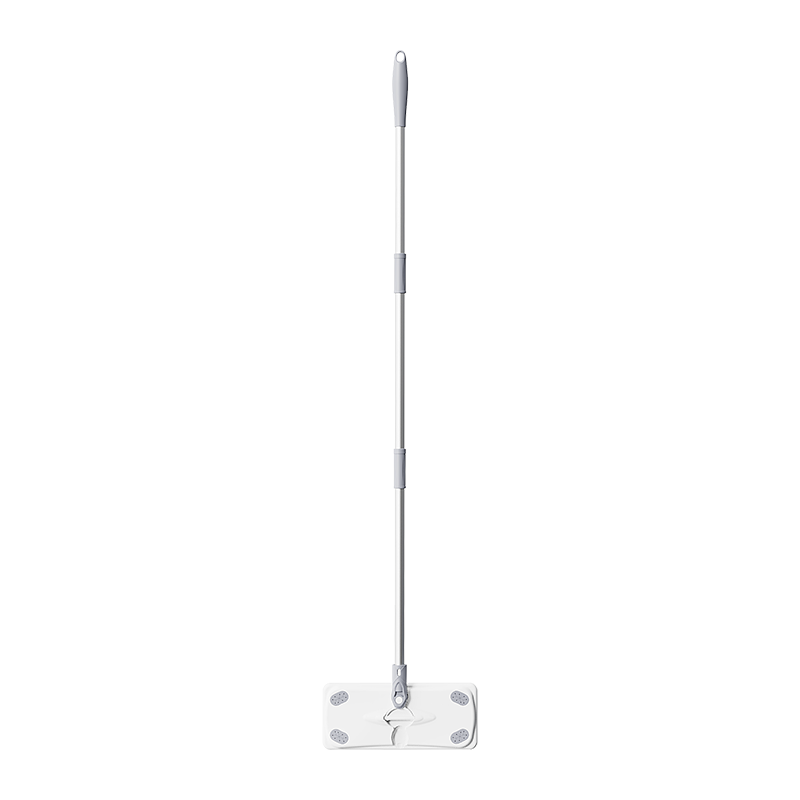
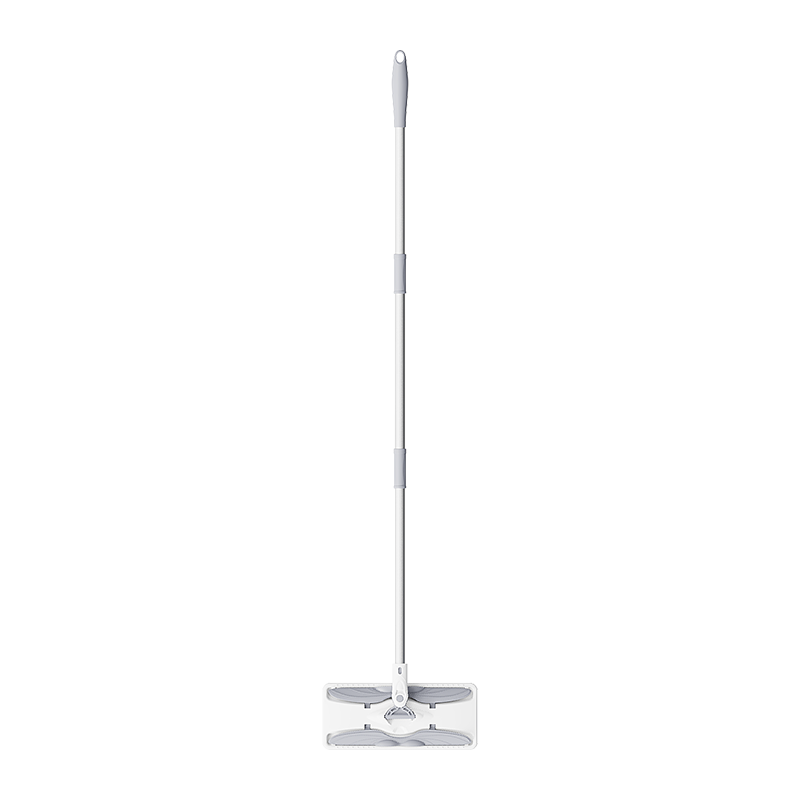
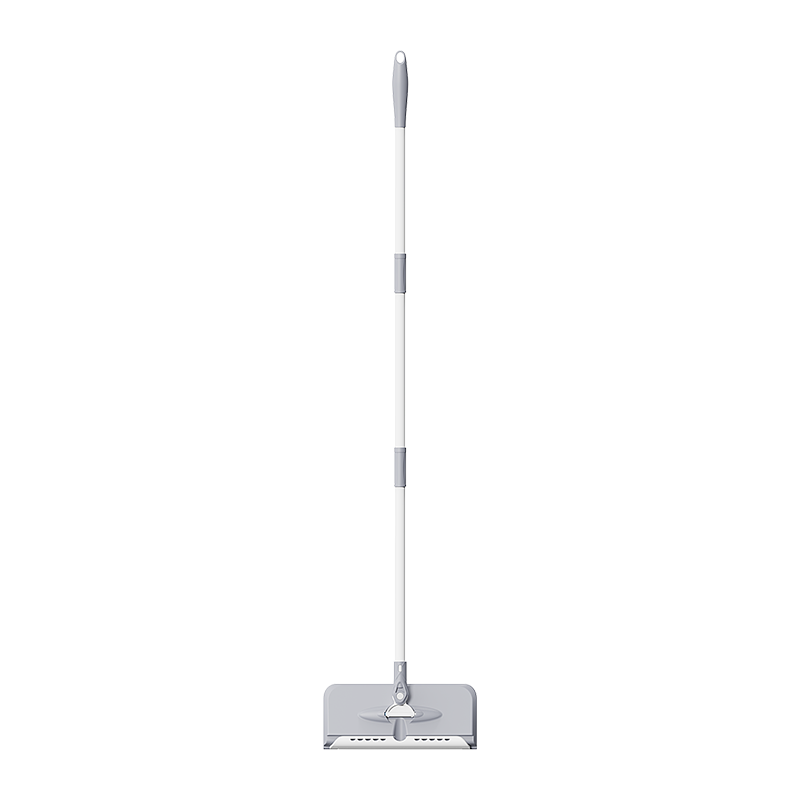
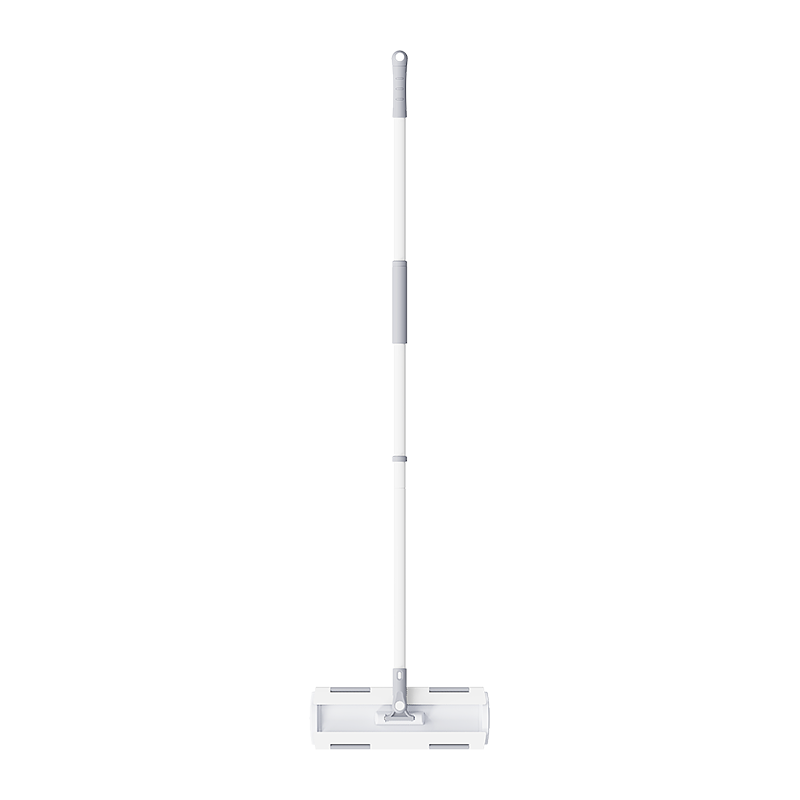
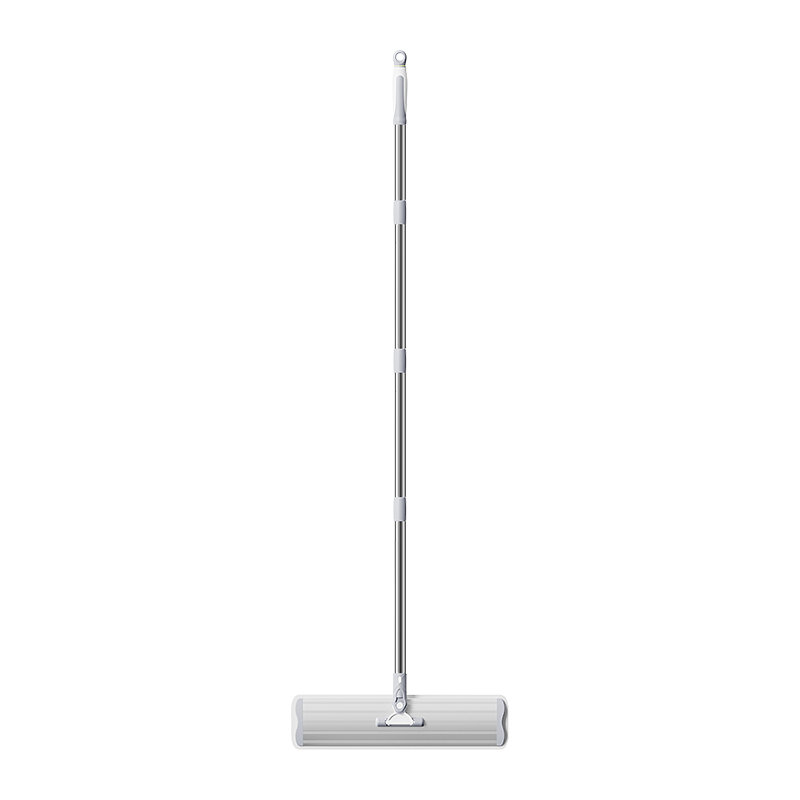
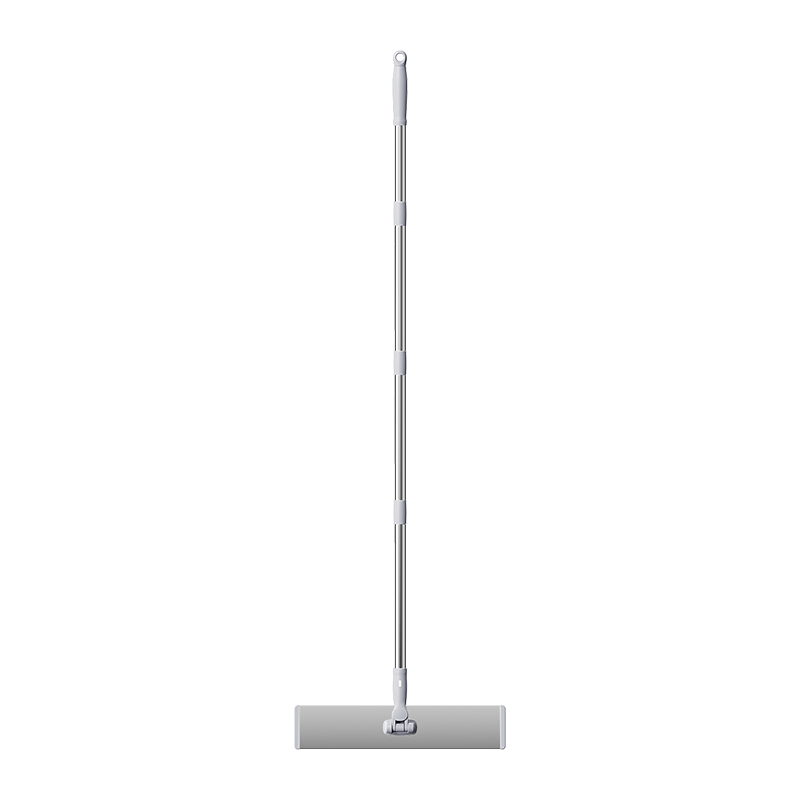
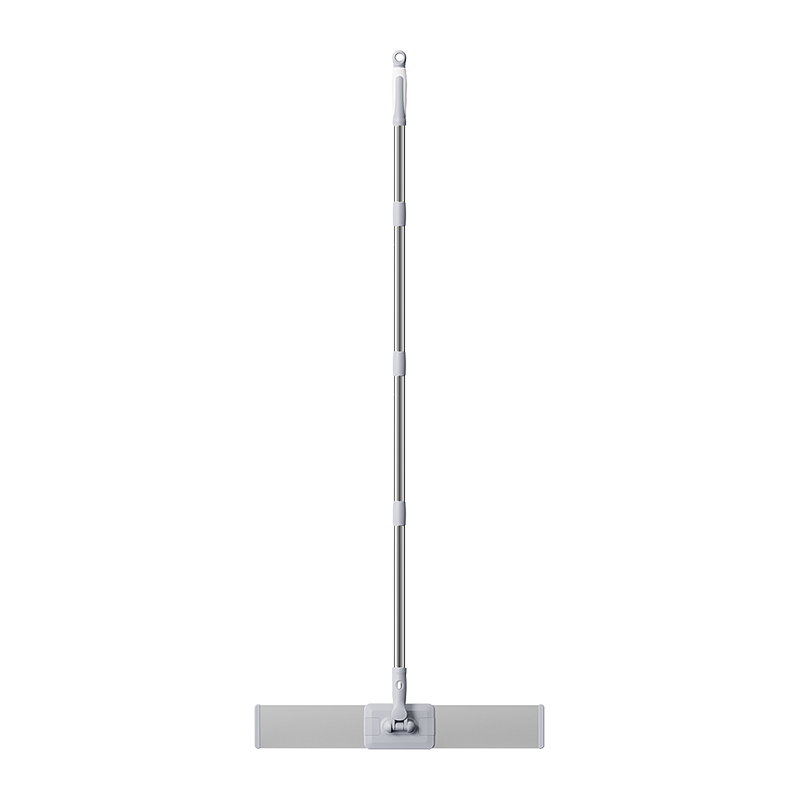
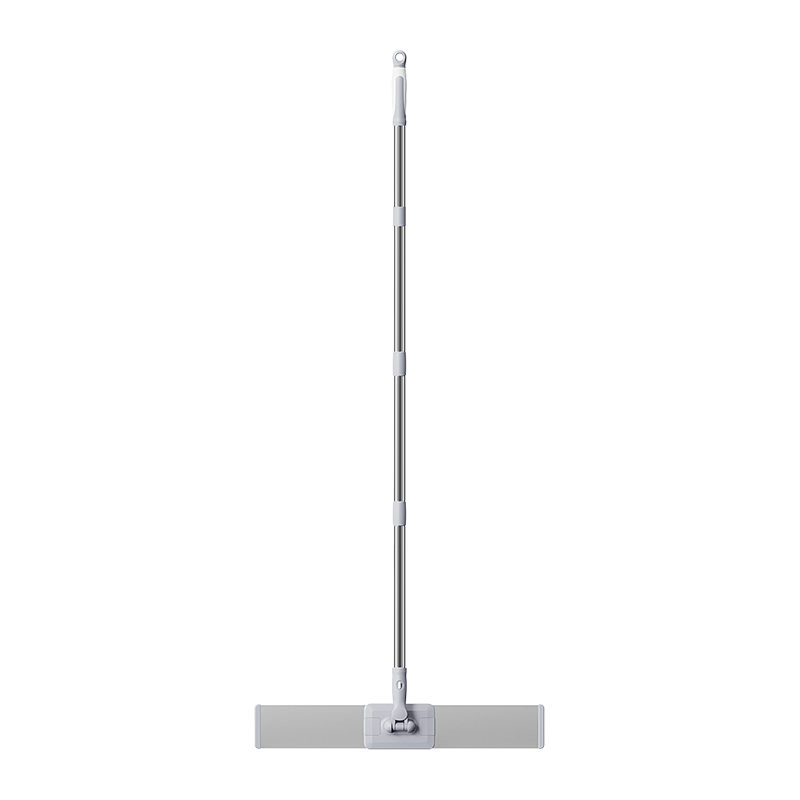
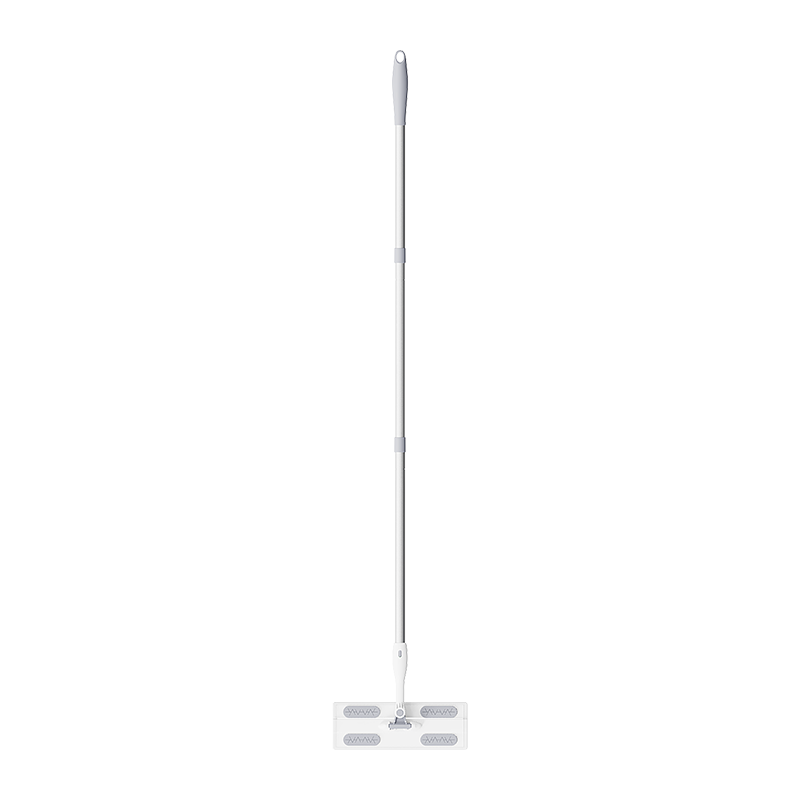
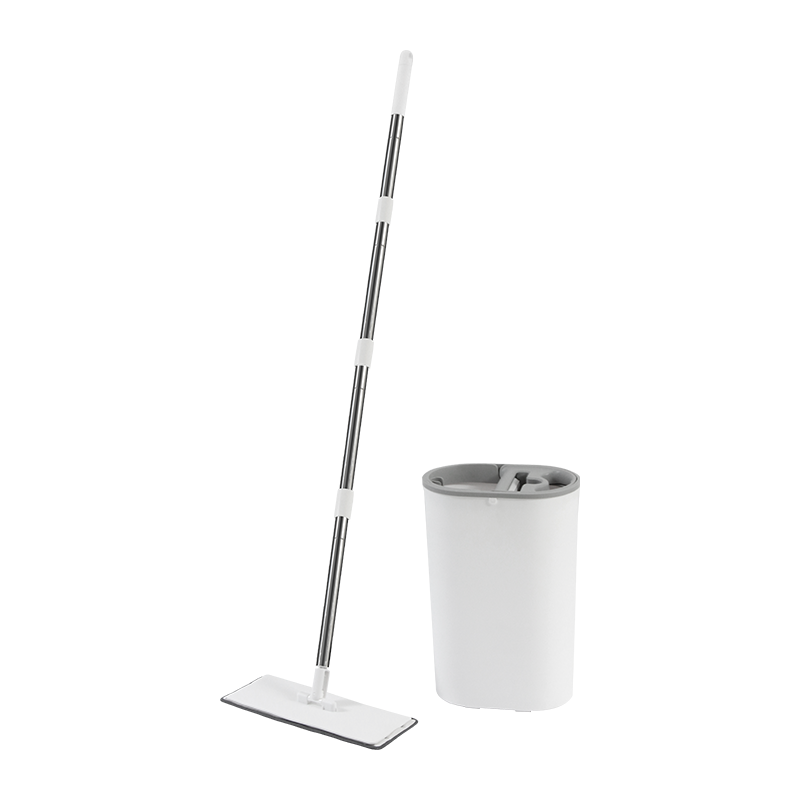
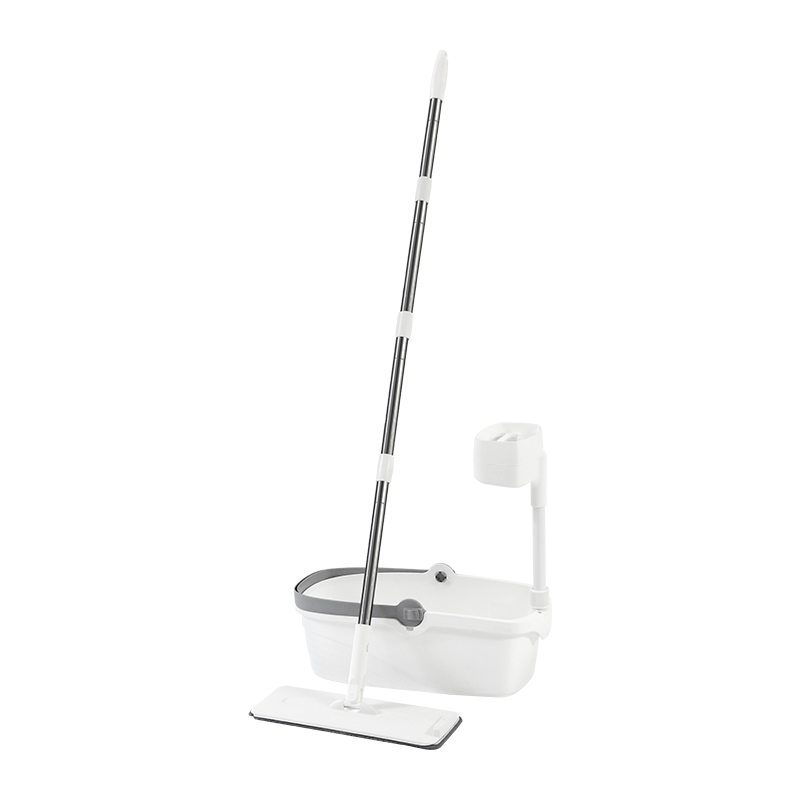
2 in 1 Dry and Wet Mop

In daily home cleaning, the bathroom is one of the areas most prone to accumulating stubborn stains. Moisture, bath residue, limescale, soap scum, etc., can make the bathroom dull and slippery, affecting the user experience and hygiene. Many people ask: What bathroom stains can a bathroom brush clean? In fact, a suitable bathroom brush can cover most cleaning needs, from the floor to the walls, from tile grout to around the faucet, effectively handling a variety of stains.

(1) Main types of stains that a bathroom brush can clean
1. Limescale and hard deposits
Limescale in the bathroom is mainly formed by the precipitation of calcium and magnesium ions, commonly found in:
Shower heads, faucet bases
Tile surfaces
Glass partitions
Floor grooves
A stiff-bristled bathroom brush or a brush with abrasive particles can effectively remove these firmly attached deposits. The effect is even better when used with citric acid, white vinegar, or a detergent.
2. Soap Scum and Shower Gel Residue
Soap scum is usually white or milky and adheres to:
Bathtub rims
Sinks
Tile walls
Shower floors
These stains are of medium firmness and can be easily brushed away with a regular soft-bristled or medium-firm-bristled bathroom brush.
3. Mold and Bacterial Accumulation
Bathrooms are humid, and mold easily appears in:
Tile grout
Silicone edges
Around drains
Hidden corners
A fine-bristled bathroom brush is ideal for cleaning crevices and hard-to-reach areas. For large amounts of black mold, use bleach or a specialized mold cleaner.
4. Slippery Grease Stains
Sources of grease in the bathroom include:
Body oils
Skincare product residue
Oily components in shampoo and conditioner
These stains are highly adhesive and make floors slippery. Use a stiff-bristled bathroom brush with an alkaline cleaner for quick removal.
5. Mixed Stains of Dirt, Dust, and Hair
Mostly on floors and in corners, mixed stains tend to accumulate into thicker layers. Coarse-bristled bathroom brushes are suitable for sweeping large areas and provide powerful cleaning.
6. Yellow stains, urine scale, and long-term deposits
Commonly found around the toilet, in drain areas, and at the junctions of bathroom floor tiles. These stains are yellow, brown, or even dark and are quite stubborn. Stiff-bristled or scraping-edge bathroom brushes can enhance cleaning power.
(2) What stains are suitable for different types of bathroom brushes?
To achieve the best results, it is necessary to choose the appropriate bathroom brush based on the material.
1. Nylon bristles
Features: Good toughness, wear-resistant, does not damage the surface
Suitable stains: limescale, soap scum, grease residue, mild mold buildup
Nylon bristles are the most commonly used type for household bathroom cleaning.
2. Stiff bristle brush (PP/PET material)
Features: Stiff bristles, strong cleaning power
Suitable stains: stubborn limescale, yellow stains, mud and sand on the ground
Suitable for tile floors and non-mirror surfaces; not recommended for glass.
3. Sponge brush + bristle combination
Features: Good water absorption, suitable for gentle cleaning
Suitable stains: mild soap scum, shower gel residue, cleaning mirrored areas
Suitable for areas with high surface requirements, such as glass screens.
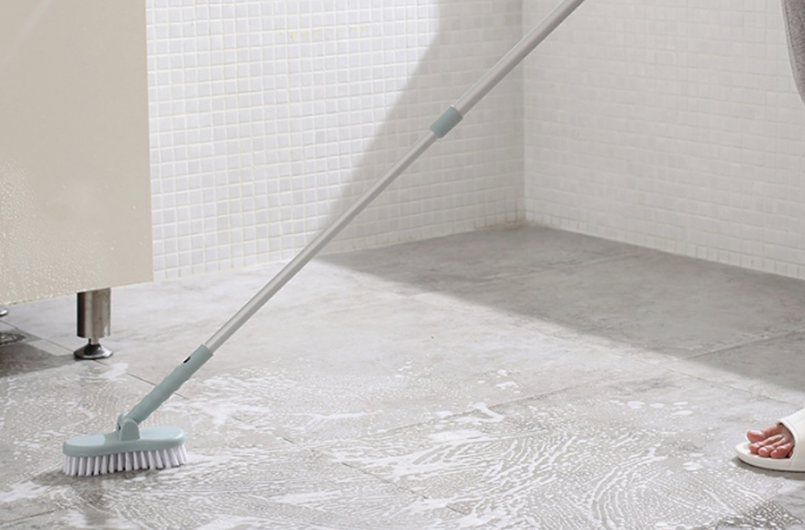
4. Long-handled bathroom brush
Features: Extendable, effortless cleaning of large areas
Suitable stains: Floor stains, wall water stains, large areas of grease
Especially suitable for the elderly or those with back problems.
5. Crevice/Corner brush
Features: Small brush head, dense bristles
Suitable stains: Tile grout, silicone strips, mold around drains
Can reach deep into hard-to-reach corners, an essential auxiliary tool for bathroom cleaning.
(3) How to improve the cleaning efficiency of a bathroom brush?
1. Use specialized cleaning agents
Different stains require different cleaning agents to improve efficiency:
Scale: Citric acid, descaling agent
Soap scum: Alkaline cleaner
Mold: Bleach, mold spray
Grease: Strong degreaser
Let the cleaning agent sit for 3–5 minutes to help soften the stains.
2. Choose the appropriate bristle hardness
Soft bristles are suitable for smooth materials
Medium-hard bristles are suitable for general tiles
Hard bristles are more suitable for rough surfaces
Avoid scratching glass or enamel materials with a hard-bristled brush.
3. More Efficient Zonal Cleaning
Cleaning in the order of "top → bottom" and "far → near" avoids repetitive work.
4. Regular Cleaning Prevents Stains from Buildup
Scale and soap scum become increasingly difficult to remove over time. Therefore, it is recommended to: Clean the bathroom once a week. Increase the frequency for households with high traffic. Consistent cleaning will extend the lifespan of your bathroom.
5. Clean the Bathroom Brush After Use
If the brush is not rinsed after use, bacteria and odors will grow.
Recommendation: Rinse with water. Squeeze out excess water. Hang to air dry in a well-ventilated area. This will extend the lifespan of your bathroom brush.
Bathroom brushes not only clean scale and soap scum, but also handle mold, grease, dirt, yellow stains, and many other types of dirt. They are one of the main tools for maintaining bathroom hygiene. Different brush materials are suitable for different cleaning tasks. Properly matching cleaning agents and bristle hardness can greatly improve cleaning efficiency. By choosing the right bathroom brush and using proper cleaning methods, you can easily keep your bathroom clean, bright, and odor-free.
From concept to production, we can create the products you want.
 Contact InformationQuick Link
Scan Code
Business partner
Contact InformationQuick Link
Scan Code
Business partner











Copyright Ningbo Ivy Daily Commodity Co., Ltd. All Rights
Reserved.
China Cleaning Brushes Manufacturer
Brushing Cleaning Supplier

