

 中文简体
中文简体 English
 Español
 Français
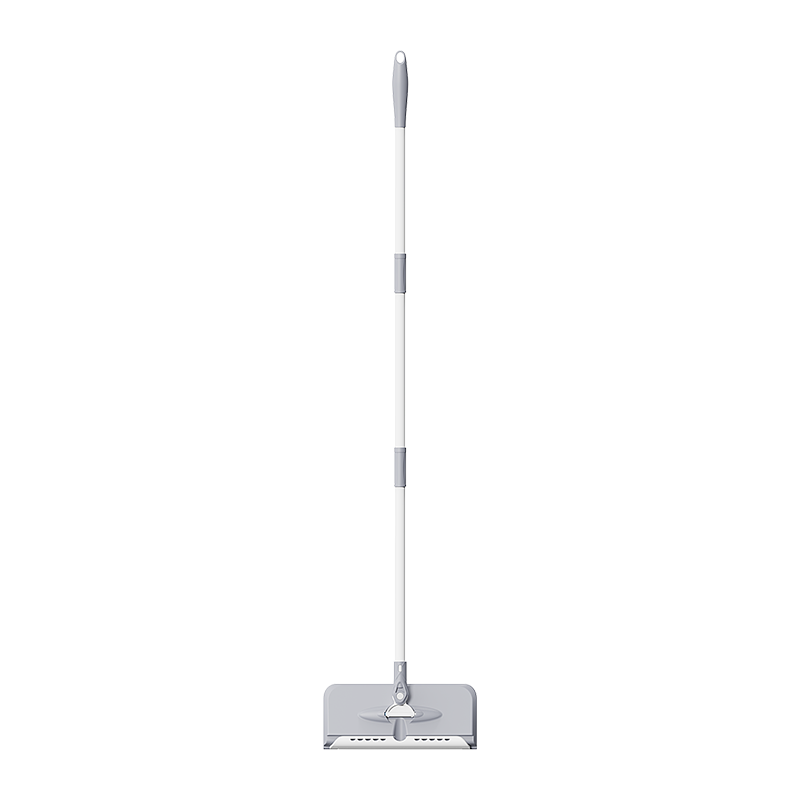
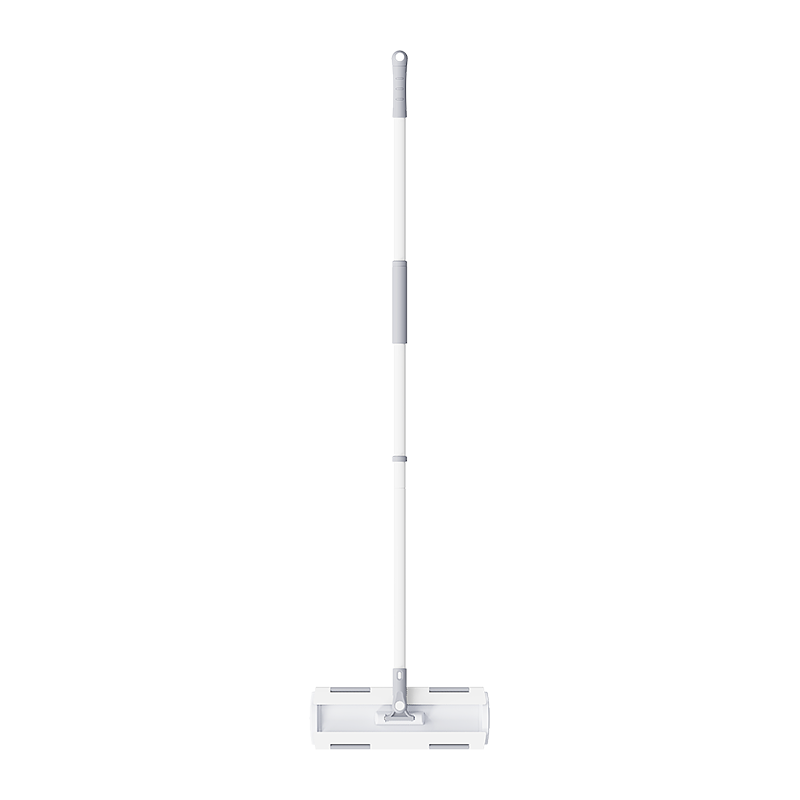
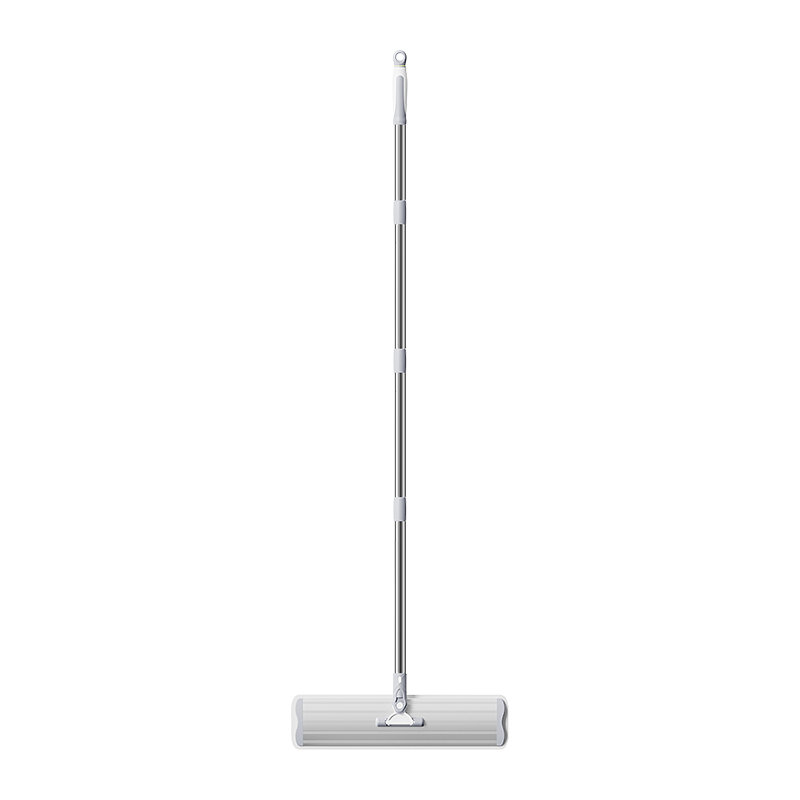
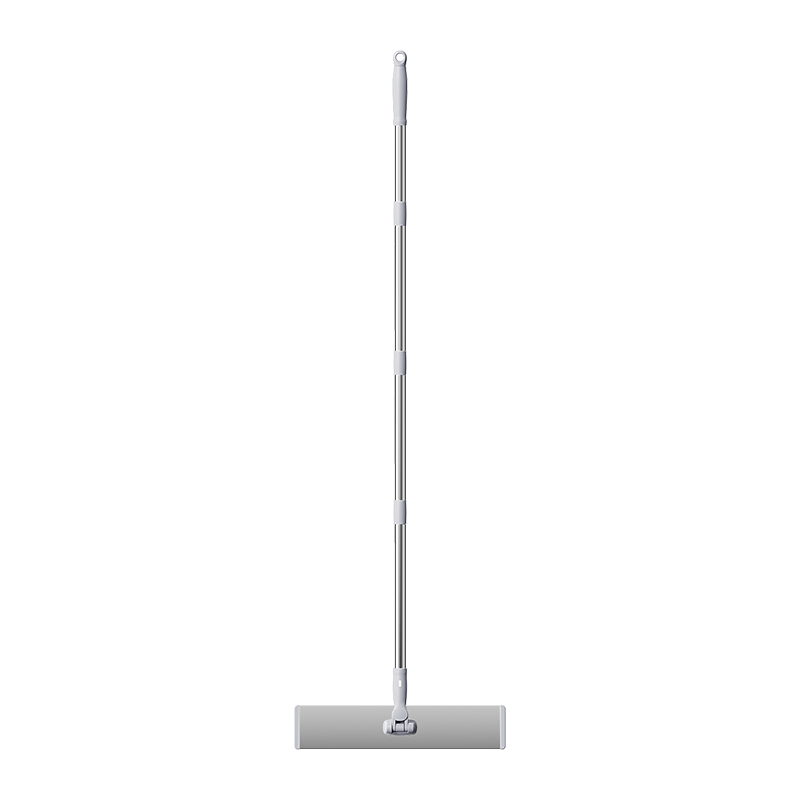
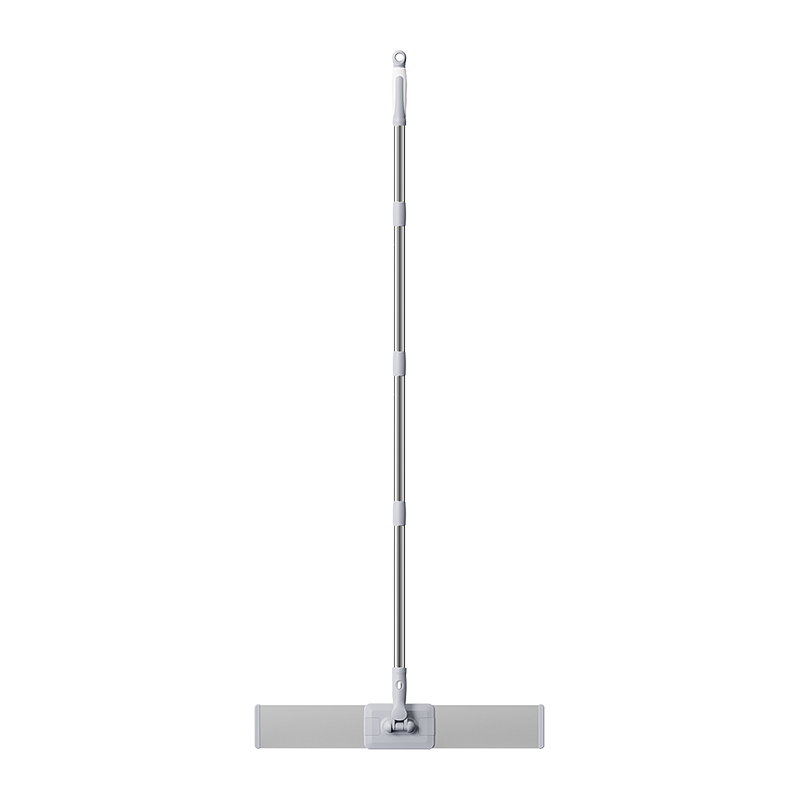
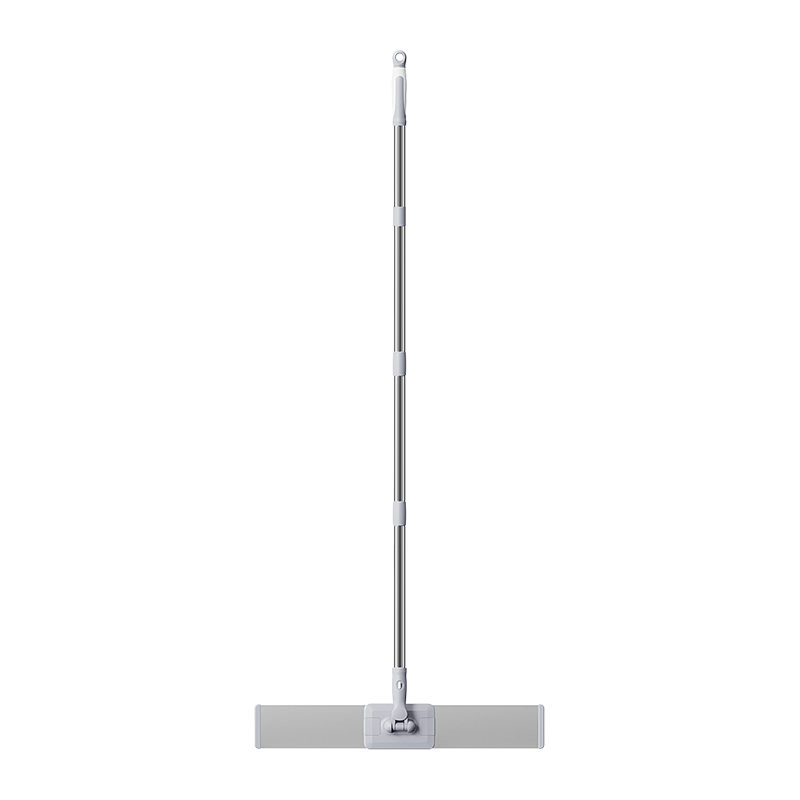
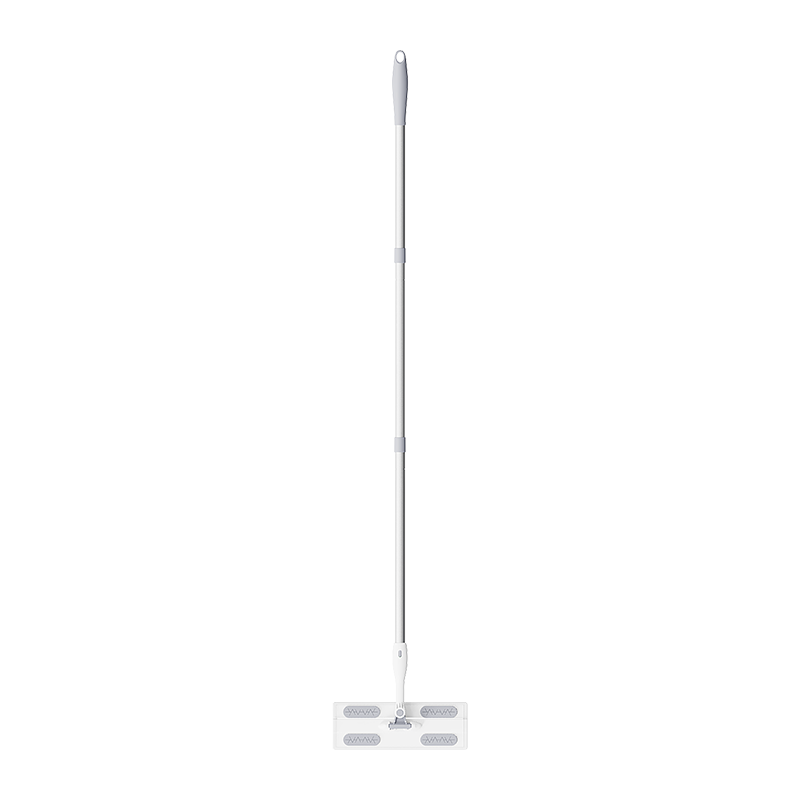
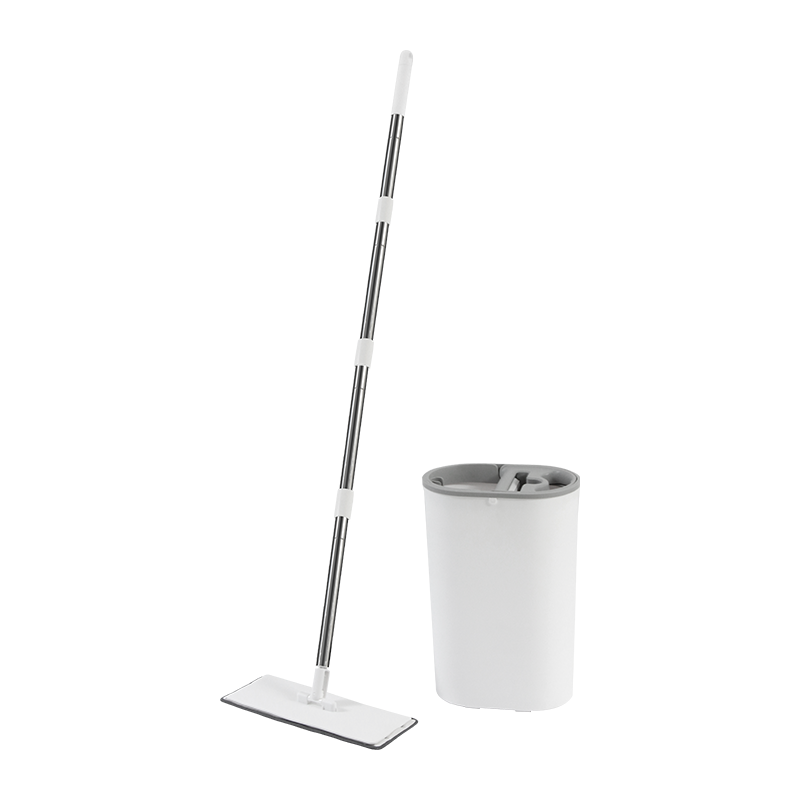
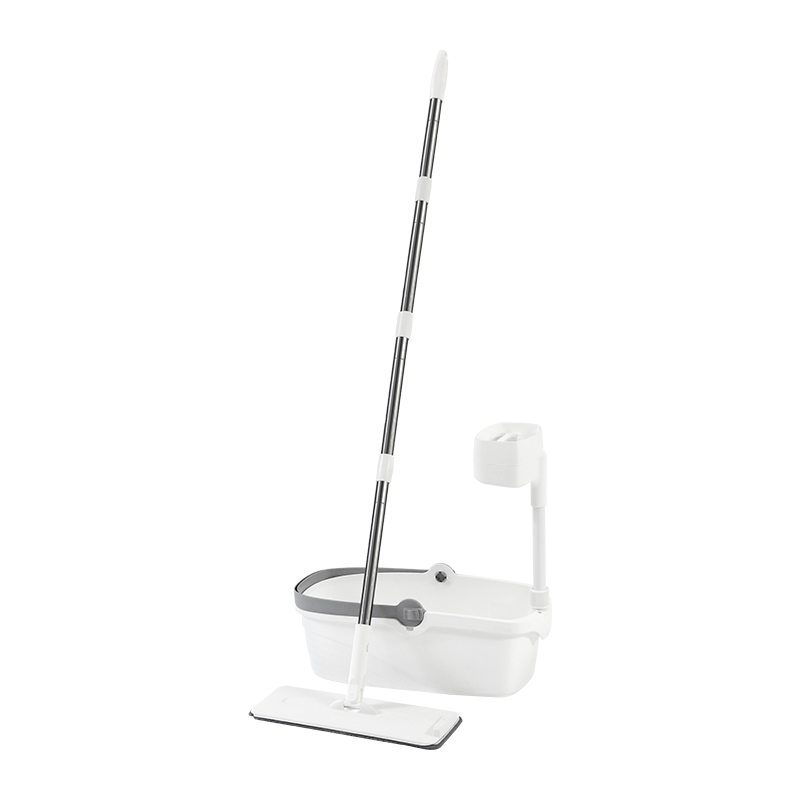
2 in 1 Dry and Wet Mop

This is one of the most common concerns for many families when choosing cleaning tools. Wooden floors are expensive, and during daily use, they are susceptible to wear and tear and moisture damage. Improper cleaning methods can easily lead to scratches, loss of shine, or even warping. So, how safe is a flat mop for cleaning wooden floors?
1. Conclusion: Flat mops are not likely to scratch wooden floors
Provided you choose the right product and use the correct method, a flat mop will not only avoid scratching wooden floors but is actually one of the most suitable types of mops for cleaning them. What truly damages floors is often not the type of mop, but rather the following factors.
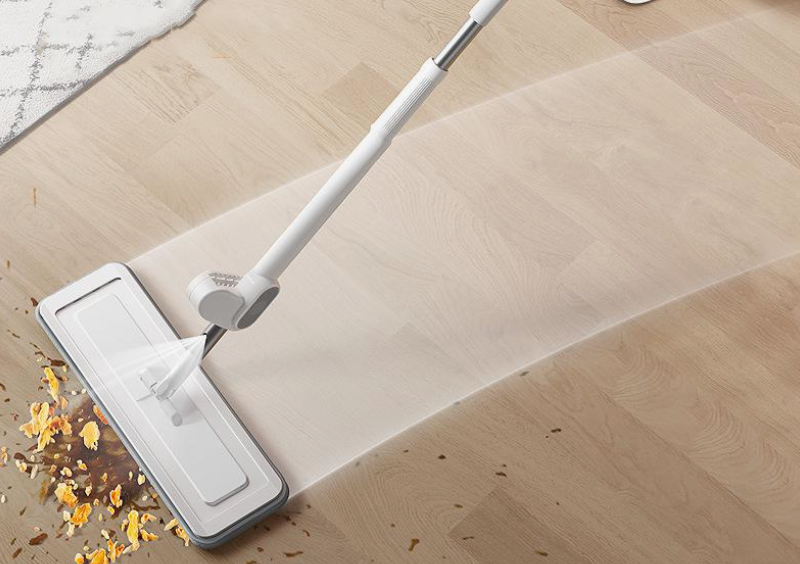
2. Why are flat mops more "gentle"?
(1) Even pressure distribution, less likely to cause scratches
Compared to traditional round-headed mops or cotton mops, flat mops have a larger mop head area and distribute pressure evenly, preventing pressure from concentrating on a few points during mopping. This structure effectively reduces localized friction and is more gentle on wooden floors.
(2) Mop head material is more suitable for delicate surfaces
Most mainstream flat mops on the market use microfiber mop heads. This material is soft and highly absorbent, able to "carry away" dust rather than "pushing it around," preventing sand and grit from repeatedly rubbing against the floor surface.
(3) Easier to control moisture
Wooden floors are most afraid of excessive water. Flat mops usually come with a wringing device or a hands-free cleaning system, allowing the mop head to be wrung to a slightly damp state, preventing water from seeping into the floor gaps.
3. Under what circumstances might a flat mop scratch wooden floors?
Although flat mops themselves are safe, there is a risk of scratching in the following situations:
(1) Dirty mop head with hard particles
If the mop head is not cleaned for a long time and contains sand, small stones, or hard debris, it can act like "sandpaper" and scratch the wooden floor during mopping.
Suggestions:
Vacuum or sweep the floor before mopping.
Clean or replace the mop head promptly when it gets dirty.
(2) Using low-quality or aged mop heads
Low-quality mop heads have rough fibers, or if the mop head is old and hardened, it can also increase friction. Suggestions:
Choose a well-known brand or a mop specifically labeled "suitable for wood floors."
Replace the mop head regularly to avoid using the same one for too long.
(3) Dry mopping or excessive force
Forcibly dry mopping when there is fine dust on the floor, or rubbing back and forth with excessive force, will increase the risk of scratches.
4. Different wood floors have different requirements for flat mops
(1) Solid wood flooring
Solid wood flooring has a relatively delicate surface. It is recommended to use a slightly damp mop and reduce the frequency of mopping. A flat mop is the preferred tool.
(2) Engineered wood flooring
It has good wear resistance, but is still susceptible to water damage. When using a flat mop, focus on controlling the amount of water to avoid water accumulation.
(3) Laminate flooring
It has a thicker wear layer and is the most suitable for flat mops, but long-term wet mopping is still not recommended.
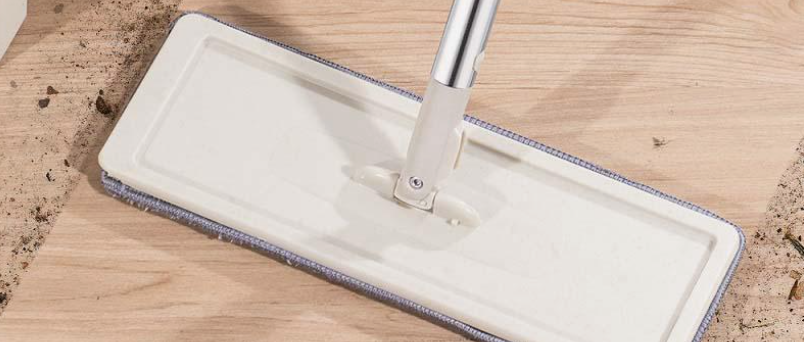
5. Tips for correctly using a flat mop
To clean effectively without damaging the wood floor, remember the following points:
Clean up dust first, then mop, to reduce friction from hard particles.
Keep the mop head "wrung out but not stiff."
Mop along the wood grain to reduce lateral friction.
Open windows for ventilation immediately after mopping to avoid moisture retention.
Regularly check the mop base for sharp edges or damage.
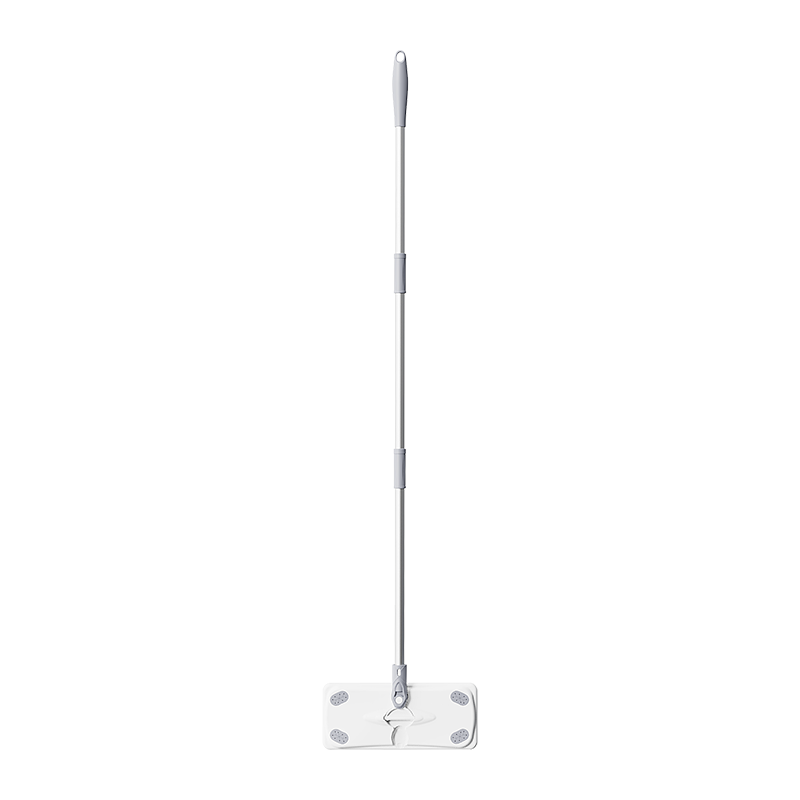
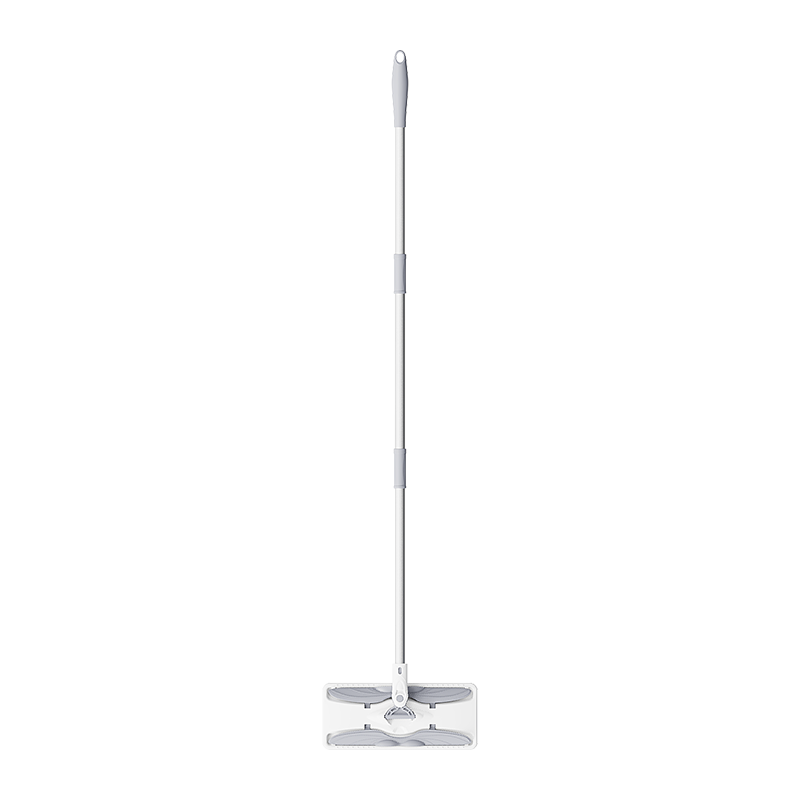
From concept to production, we can create the products you want.
 Contact InformationQuick Link
Scan Code
Business partner
Contact InformationQuick Link
Scan Code
Business partner











Copyright Ningbo Ivy Daily Commodity Co., Ltd. All Rights
Reserved.
China Cleaning Brushes Manufacturer
Brushing Cleaning Supplier

