

 中文简体
中文简体 English
 Español
 Français
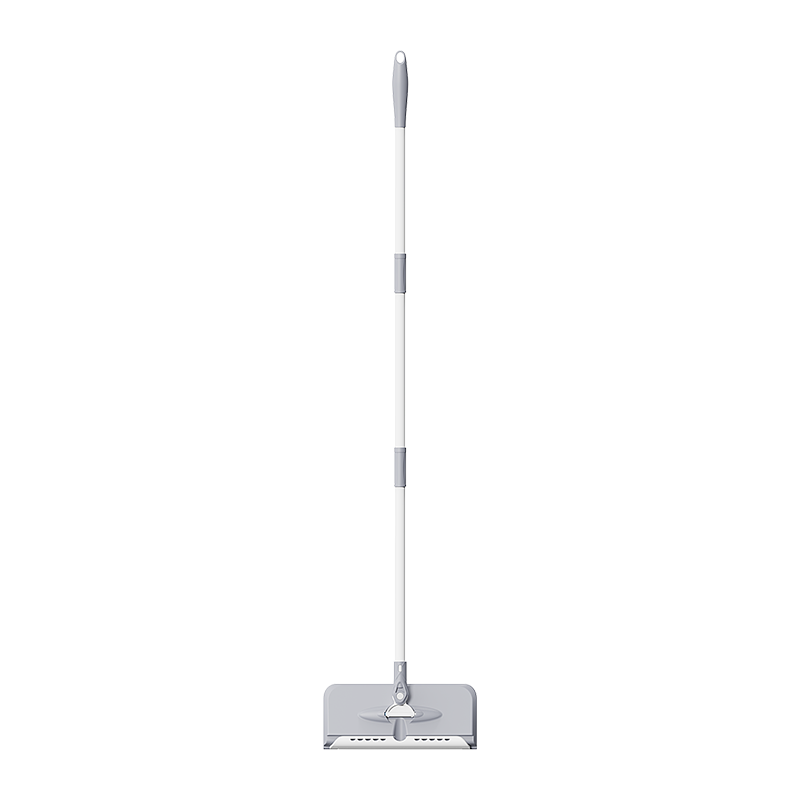
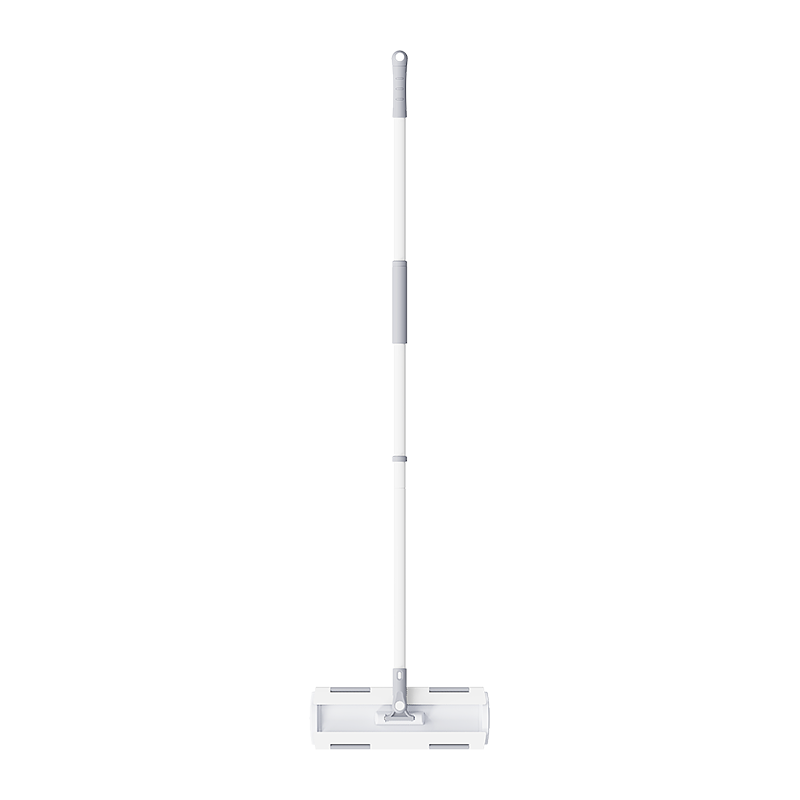
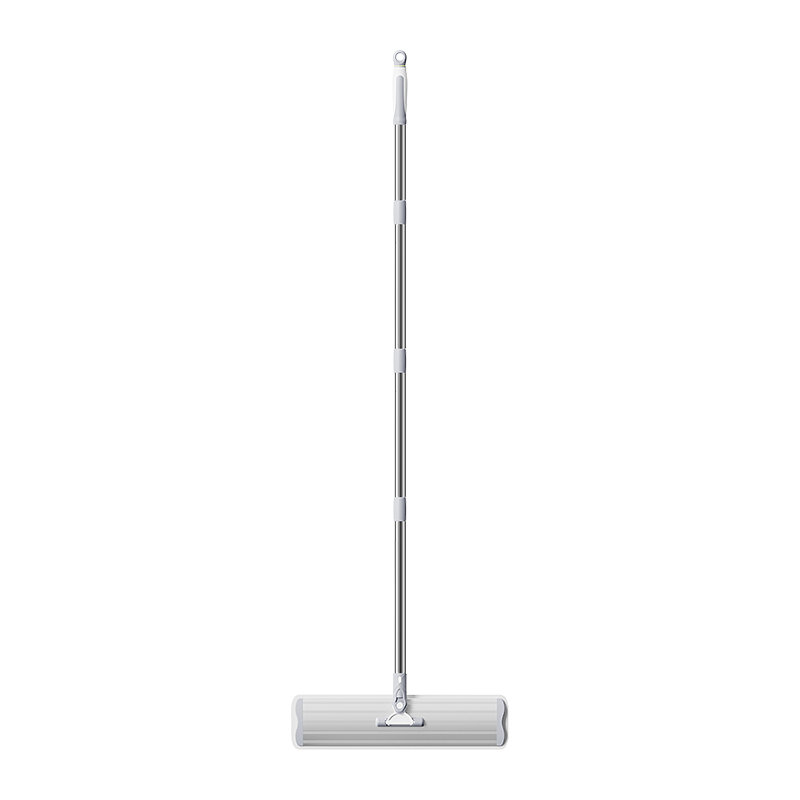
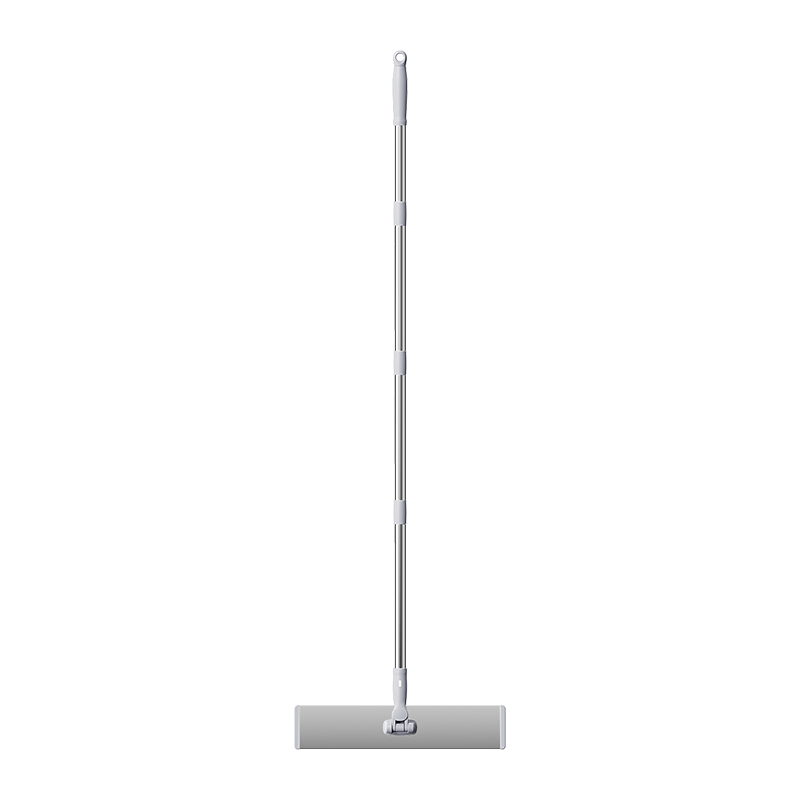
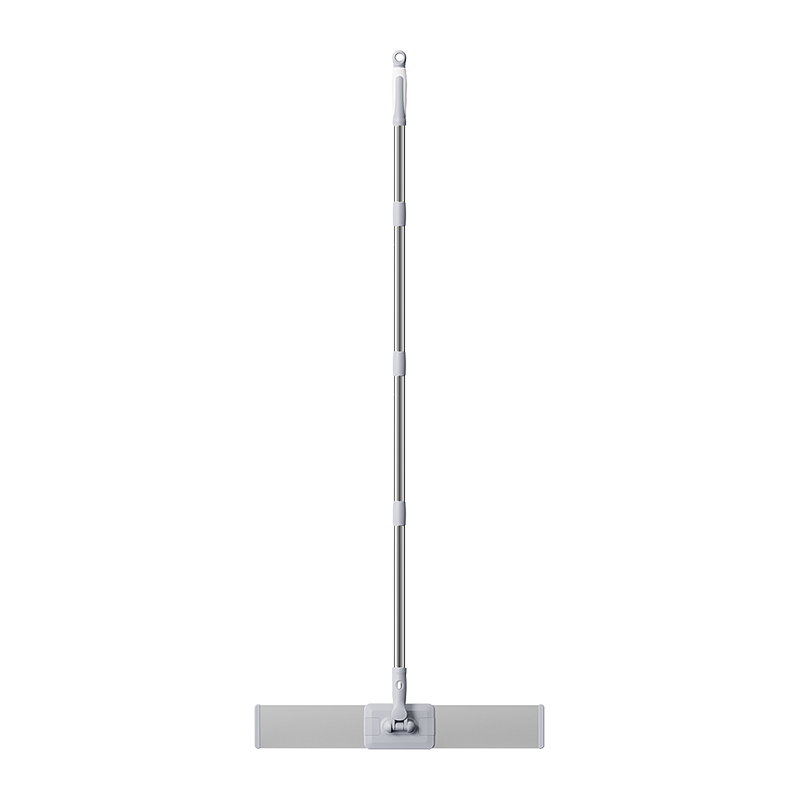
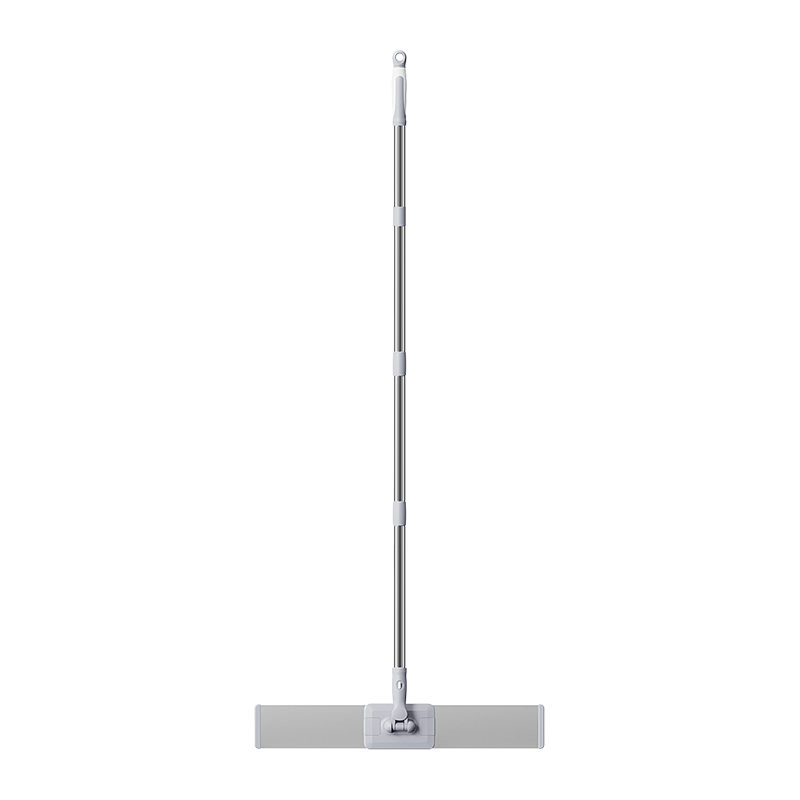
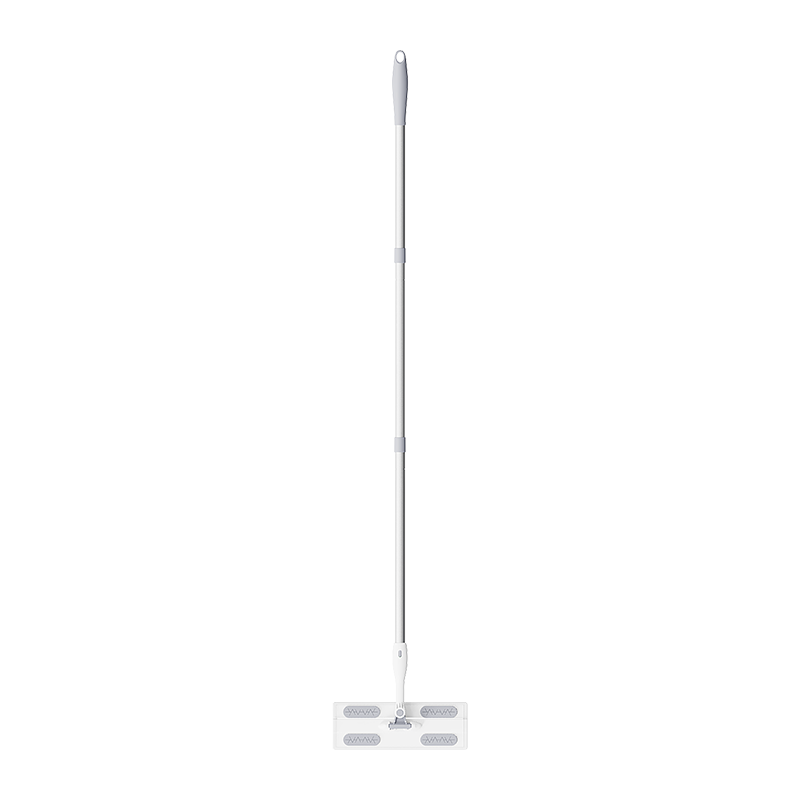
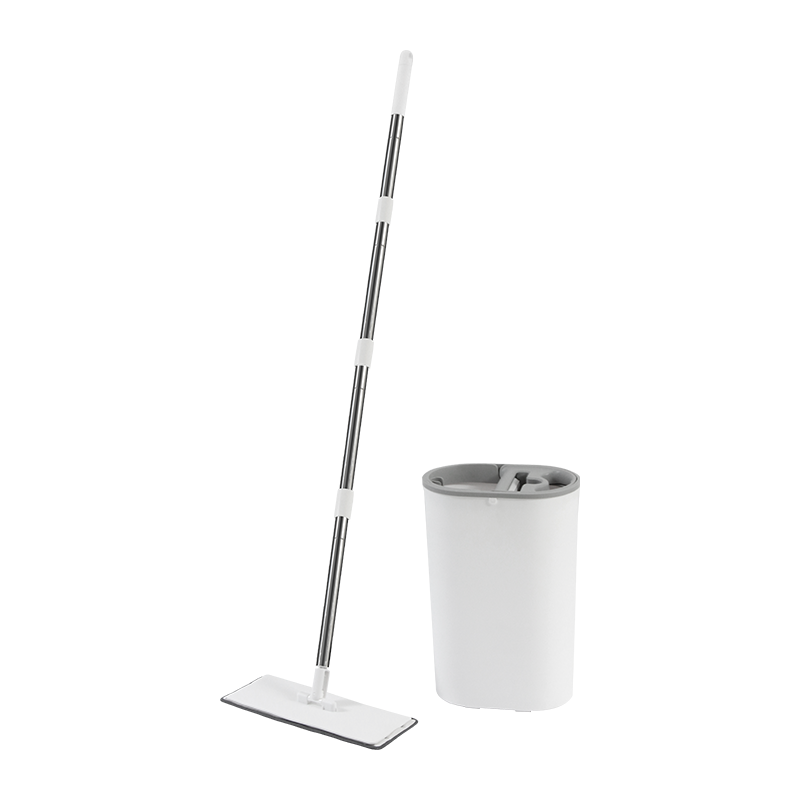
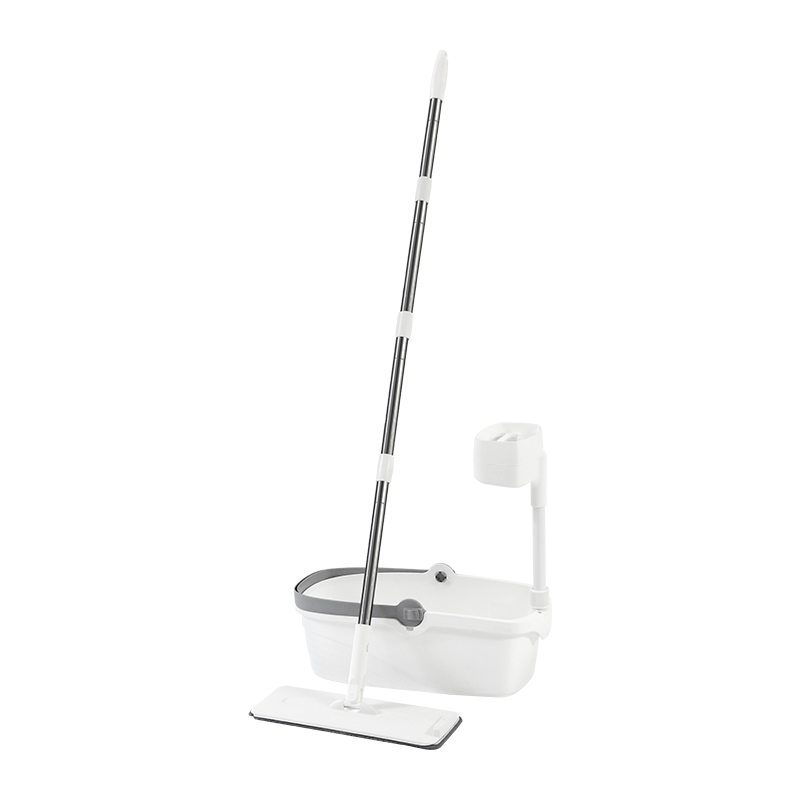
2 in 1 Dry and Wet Mop

Washing dishes is an essential part of daily life, and the dish brush, as a common kitchen cleaning tool, plays an important role in cleaning tableware. However, many people often encounter the problem of "not cleaning effectively" when using a dish brush. This not only affects the cleaning results but may also cause us to spend more time and effort on washing dishes.
This article will take you through the common problems with dish brushes and provide some solutions to help you solve the problem of ineffective cleaning.
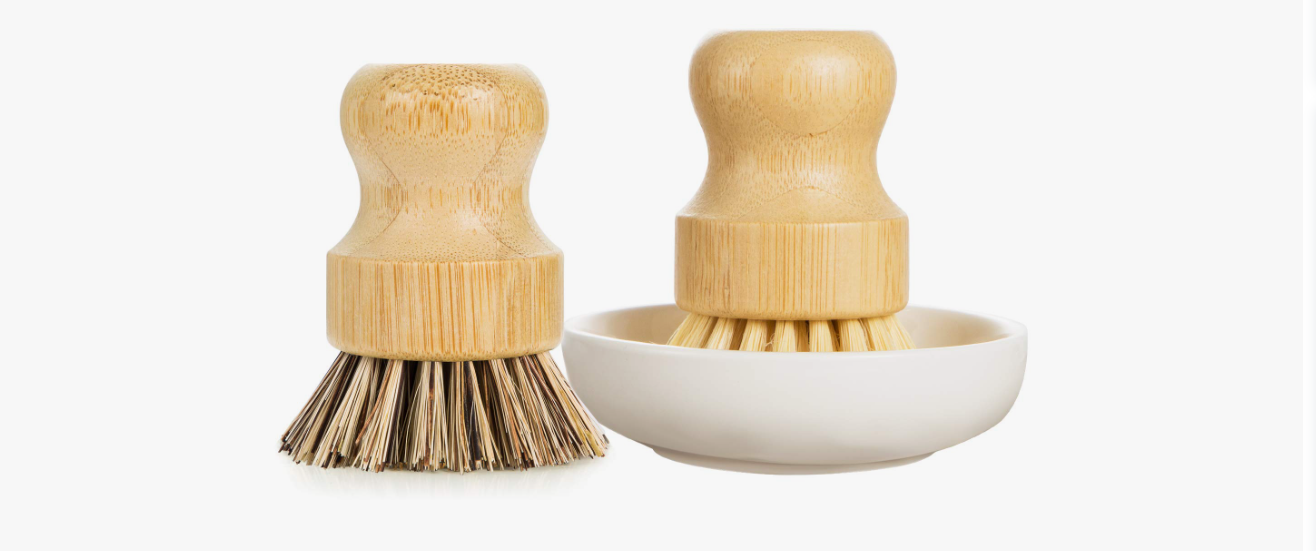
1. Common Reasons Why Dish Brushes Don't Clean Effectively
First, we need to understand why dish brushes might not clean effectively. Here are some common reasons:
(1) Worn or aged bristles
The bristles of a dish brush gradually wear out during use, especially after prolonged use. If the bristles become soft, fall off, or bend, they will not be able to effectively clean grease and stains from the surface of tableware, resulting in significantly reduced cleaning effectiveness.
(2) Unsuitable brush material
Different types of tableware require different cleaning methods. For example, pots and non-stick pans require softer bristles, while greasy bowls and plates may require harder bristles. If the brush material is unsuitable, it cannot effectively remove stubborn grease and food residue, and ineffective cleaning is common.
(3) Improper use of cleaning agents
The cleaning effectiveness of a dish brush depends not only on the quality of the bristles but also on the dish soap or cleaning agent used. If the cleaning agent is not strong enough, or if too little is used, ineffective cleaning is very common. Furthermore, the choice of cleaning agent is also important; some cleaning agents may not be suitable for removing specific stains.
(4) The brush is not thoroughly cleaned
If the dish brush itself is not properly cleaned, it will accumulate residual food particles and grease. These residues will affect the cleaning effectiveness the next time it is used, resulting in ineffective cleaning. Therefore, regularly cleaning the dish brush is also very important.
(5) Incorrect usage
The way a dish brush is used also affects cleaning effectiveness. For example, some people may simply brush casually without applying enough force to clean difficult-to-clean areas, or without paying attention to cleaning the edges, crevices, and other places where dirt and grime easily accumulate on the tableware.
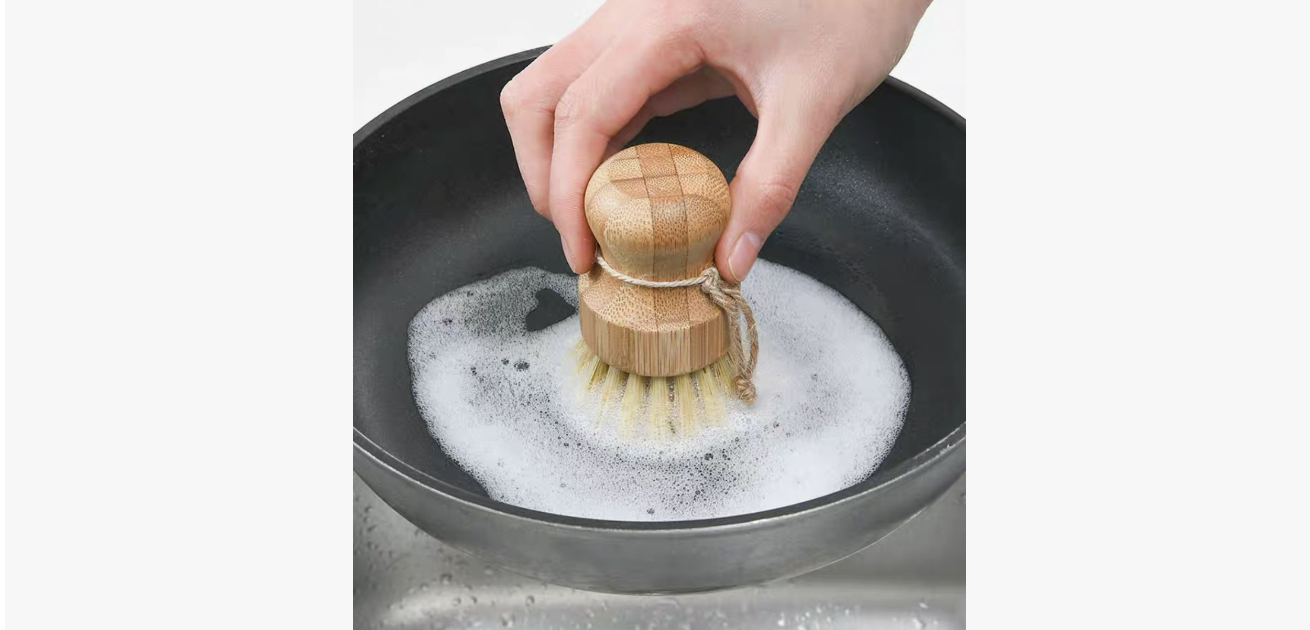
2. How to Solve the Problem of Dish Brushes Not Cleaning Effectively?
Next, let's discuss how to solve the common problem of dish brushes not cleaning effectively and share some practical solutions:
(1) Replace your dish brush regularly
Aging and wear of the bristles are one of the main reasons why dish brushes don't clean effectively. To maintain cleaning effectiveness, it is recommended to replace your dish brush regularly. Generally, after three months of use, the bristles of a dish brush will show wear or softening, affecting the cleaning effect. Therefore, you should replace your dish brush regularly based on the frequency of use. There are also some highly durable dish brushes on the market (such as those with nylon bristles or strong bristles) that can extend their lifespan and maintain better cleaning performance.
(2) Choose the right dish brush material
Different tableware surfaces and types of stains require different bristle hardness. Generally:
For non-stick pans and easily damaged tableware, soft-bristled brushes should be used.
For stubborn grease and hard dirt on tableware surfaces, you can choose a hard-bristled brush, or a multi-functional dish brush with steel bristles.
(3) Use appropriate dish soap and cleaning agents
Choosing and using the right dish soap can greatly improve the cleaning effectiveness of the dish brush. For greasy dishes, it is recommended to use a high-efficiency degreasing cleaner. These cleaners can quickly break down grease, reducing the cleaning burden on the dish brush. Also, pay attention to the amount of cleaning agent used; do not use too much, otherwise it will easily cause foam buildup on the dish brush, which will also affect the cleaning effect.
For dishes that are not cleaned properly, in addition to regular dish soap, you can also try using natural cleaning agents such as baking soda and white vinegar, which can effectively remove stubborn stains.
(4) Clean your dish brush regularly
To ensure that your dish brush performs optimally every time, regular cleaning is essential. After each use, thoroughly clean the dish brush with warm water and a small amount of dish soap to remove grease and food residue from the bristles. Weekly, you can soak the dish brush in a white vinegar solution to sterilize and disinfect it, maintaining the cleanliness and hygiene of the bristles.
(5) Master the correct dishwashing techniques
Correct usage is also key to solving the problem of ineffective cleaning. When washing dishes, the bristles of the dish brush should fully contact every corner and crevice of the tableware, especially areas prone to accumulating dirt such as the bottom of bowls, the edges of plates, and the rims of cups. For stubborn stains, you can increase the scrubbing force or let the dish soap sit on the stain for a while before scrubbing.
Additionally, using warm water with the dish brush is recommended, as warm water helps dissolve grease and food residue, making cleaning easier.
The problem of dish brushes not cleaning effectively is quite common, but it can be easily solved with some simple adjustments and improvements. First, regularly replace your dish brush, choose a brush material suitable for your type of tableware, and use an appropriate cleaning agent. Secondly, regularly cleaning the dish brush and mastering the correct usage techniques will improve cleaning effectiveness and reduce instances of ineffective cleaning.
From concept to production, we can create the products you want.
 Contact InformationQuick Link
Scan Code
Business partner
Contact InformationQuick Link
Scan Code
Business partner











Copyright Ningbo Ivy Daily Commodity Co., Ltd. All Rights
Reserved.
China Cleaning Brushes Manufacturer
Brushing Cleaning Supplier

